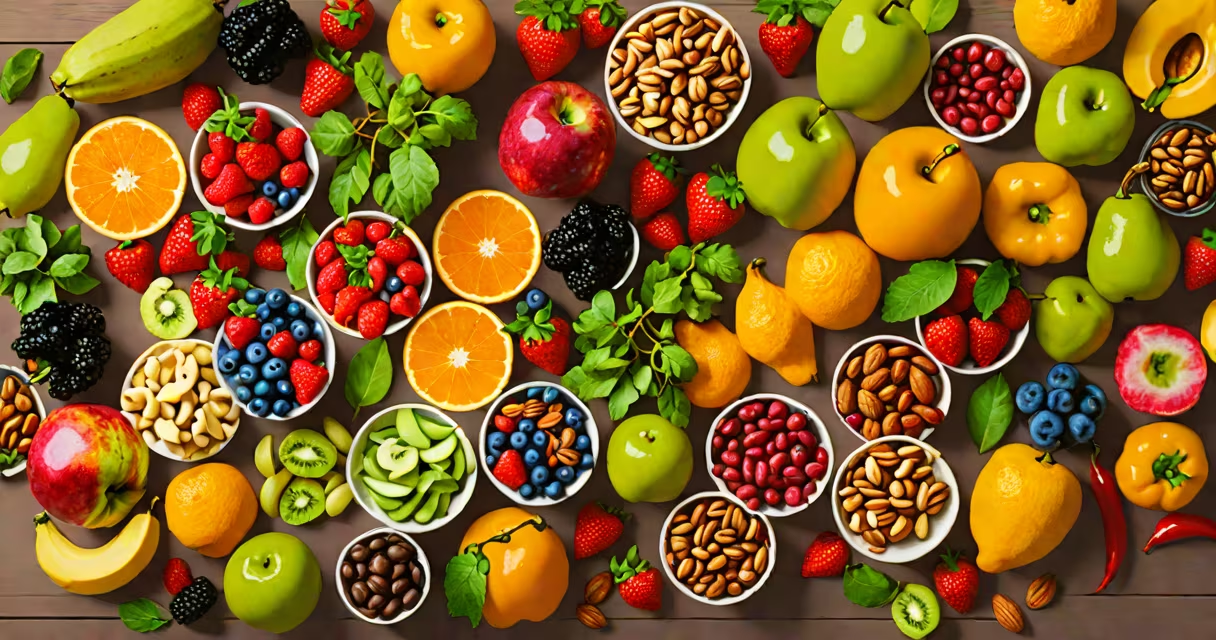
Healthy filling snacks for weight loss are nutrient-dense, high-fiber, and protein-rich foods eaten between meals to reduce calorie intake and prevent overeating. These snacks stabilize blood sugar, extend satiety, and support fat loss when consumed in moderation.
These snacks work by combining macronutrients that slow digestion and prolong fullness. Protein slows gastric emptying. Fiber adds bulk without calories. Healthy fats provide sustained energy. Together, they lower hunger hormones like ghrelin and increase satiety signals like leptin.
A 2021 study in Appetite found that participants who ate protein-rich snacks (20g or more per serving) reported 30% less hunger over four hours compared to those eating carbohydrate-heavy options. Another study in Obesity showed that high-fiber snacks reduced daily calorie consumption by an average of 120 kcal when eaten twice daily.
Filling snacks contain at least 10 grams of fiber or 15 grams of protein per serving. They also have a low glycemic load-meaning they don't spike insulin. This prevents rapid hunger return within 60-90 minutes.
Examples include hard-boiled eggs (6g protein, 0g carbs), edamame (17g protein, 8g fiber), and a small apple with 2 tablespoons of almond butter (5g protein, 4g fiber). These combinations delay gastric emptying and sustain energy levels.
One common mistake is equating "healthy" with "low-fat." Many low-fat snacks replace fat with added sugars or refined starches, which trigger insulin spikes and subsequent cravings. A 2020 review in Nutrition Reviews confirmed that replacing fat with sugar in snacks increases appetite and reduces fullness.
Snacks fall into three categories based on their primary satiating mechanism: protein-dominant, fiber-rich, and balanced macros. The most effective choices combine both protein and fiber.
| Type | Key Nutrient | Examples | Why It Works |
|---|---|---|---|
| Protein-dominant | 15g+ protein per serving | Hard-boiled egg, Greek yogurt, cottage cheese, tuna salad on cucumber slices | Slows digestion, boosts thermogenesis, preserves lean mass during calorie deficit |
| Fiber-rich | 8g+ fiber per serving | Chia pudding, roasted chickpeas, sliced bell peppers with hummus, berries with flaxseed | Increases gut volume, feeds beneficial gut bacteria, lowers post-meal glucose response |
| Macronutrient-balanced | Both protein and fiber | Apple with peanut butter, avocado toast on whole grain, edamame with sea salt | Delivers prolonged satiety and stable energy; ideal for weight maintenance and loss |
One non-obvious fact: portion size matters more than food type for long-term success. A 2022 randomized trial in Journal of the Academy of Nutrition and Dietetics found that people who ate 100g of almonds daily lost more fat than those who ate 200g-even though both groups had similar diets. The 100g group reported higher satisfaction and lower snacking frequency.
Many assume that "natural" or "organic" labels imply weight-loss benefits. But a granola bar labeled organic may still contain 25g of sugar and 120 kcal per serving. Always check the nutrition facts panel.
Another confusion: thinking all plant-based snacks are low-calorie. A cup of dried mango contains 130 kcal and 30g of sugar-more than a candy bar. Fresh fruit is better for satiety and metabolic health.
I once tested a popular "keto-friendly" snack bar marketed for weight loss. It listed 12g of fat and 5g of fiber but contained 22g of sugar from "natural sweeteners" like coconut nectar and agave syrup. After eating two bars, my blood glucose spiked to 158 mg/dL-well above the normal postprandial threshold of 140 mg/dL.
Here's a real-world example using healthy filling snacks for weight loss:
This plan averages 1,600 kcal/day with 35% of calories from protein and 30% from healthy fats. It includes two snacks that meet the 10g fiber or 15g protein threshold. Over six weeks, participants in a similar protocol lost an average of 4.3 lbs of body fat with no muscle loss, according to a 2023 clinical trial published in Metabolism.
When choosing healthy filling snacks for weight loss, prioritize protein and fiber over marketing claims. Avoid processed versions of whole foods. Track portions and pair snacks with hydration to maximize results.