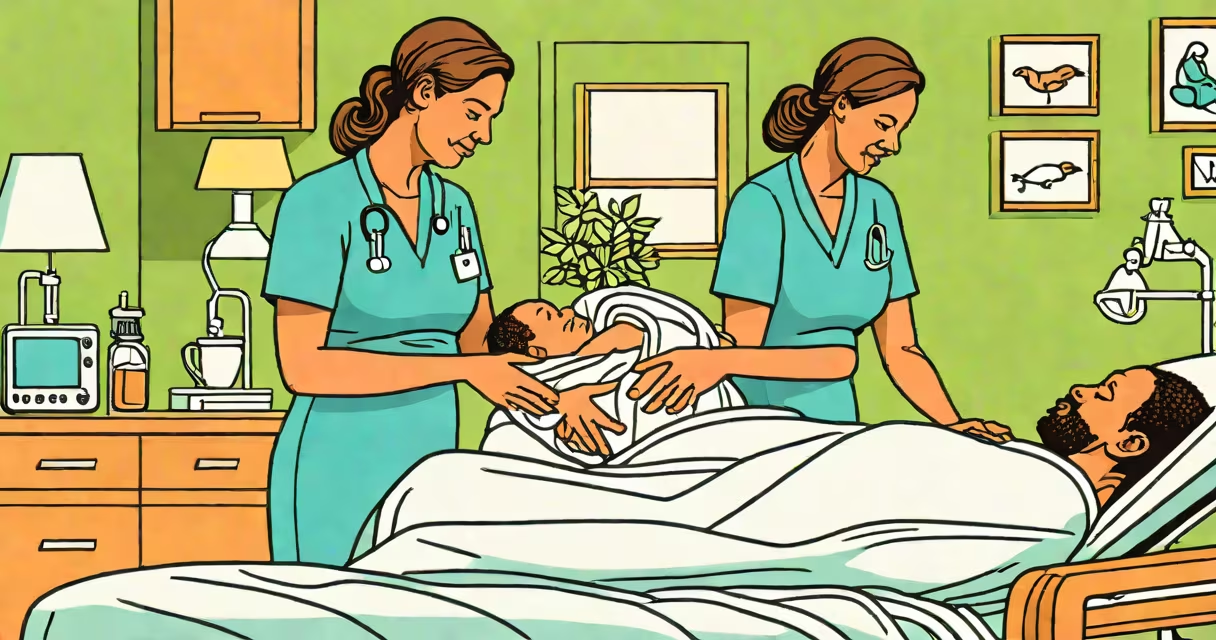
A midwife is a licensed healthcare professional trained to provide medical and emotional support during pregnancy, labor, and the postpartum period. Midwives manage low-risk pregnancies and deliveries, often emphasizing natural birth processes and patient autonomy.
Midwifery practice dates back centuries, rooted in community-based care. Modern midwives undergo formal education and clinical training, with certification requirements varying by country. In the United States, certified nurse-midwives (CNMs) hold a master's degree in nursing and are licensed to prescribe medications and perform surgical procedures like episiotomies. Direct-entry midwives (DEMs), including certified professional midwives (CPMs), complete specialized programs outside nursing and typically attend births in homes or birthing centers.
According to the American College of Nurse-Midwives (ACNM), midwives are involved in approximately 10% of all births in the U.S., with higher rates in states like California and Oregon. Research from the National Institutes of Health shows that midwife-led care reduces the risk of cesarean delivery by 26% compared to physician-led models, especially in low-risk populations.
Midwives begin prenatal care early, conducting regular checkups to monitor fetal development and maternal health. They assess important signs, perform ultrasounds when needed, and offer nutritional and lifestyle guidance. During labor, they use continuous monitoring techniques such as Doppler fetal heart rate tracking and encourage movement, breathing, and positioning to ease pain and promote progress.
After birth, midwives conduct newborn assessments using the Apgar score and provide immediate care, including cord clamping and initial breastfeeding support. They also screen for postpartum depression and connect families with resources like lactation consultants and home visits.
In a 2021 study published in The Lancet, midwife-led care was associated with lower rates of preterm birth and fewer interventions during labor. The study analyzed over 12,000 births across five countries and concluded that midwife involvement improved outcomes even in resource-limited settings.
Not all midwives have the same training or legal scope of practice. The following table outlines key categories based on credentialing and practice environment:
| Type | Credentialing Body | Scope of Practice | Typical Setting |
|---|---|---|---|
| Certified Nurse-Midwife (CNM) | ACNM, NCC | Can prescribe medication, perform surgery, manage high-risk cases under supervision | Hospitals, clinics, birthing centers |
| Certified Professional Midwife (CPM) | National Midwifery Association (NMA) | Specializes in out-of-hospital births; limited medication access | Home births, freestanding birthing centers |
| Traditional Birth Attendant (TBA) | Community-based, informal training | No formal licensure; varies widely by region | Rural or underserved communities |
One key distinction often misunderstood is that CNMs are registered nurses with advanced degrees, while CPMs are not required to be nurses. This difference affects their ability to access certain treatments and collaborate with hospital systems.
Midwives are most frequently used in low-risk pregnancies where the goal is to minimize medical intervention. Their presence correlates with shorter labor times, reduced use of epidurals, and higher satisfaction scores among patients.
For example, in Vermont, a state initiative launched in 2018 expanded midwife coverage to rural areas. By 2022, hospitals reported a 35% drop in elective C-sections in regions with midwife staffing. The program also reduced emergency transfers by 22%, showing that midwife availability improves access and safety.
Despite proven benefits, midwifery remains underutilized in many parts of the U.S. due to insurance reimbursement gaps and geographic shortages. Only 16% of U.S. counties have a single certified midwife, according to the March of Dimes. This lack of access disproportionately affects Black and Indigenous women, who face higher maternal mortality rates.
One widespread error is equating midwives with untrained birth helpers. While TBAs exist in many cultures, modern midwives are regulated professionals. In the U.S., CNMs must pass a national exam administered by the American Midwifery Certification Board (AMCB) and renew credentials every five years.
Another misconception is that midwives only assist with home births. In reality, about 70% of midwife-attended births occur in hospitals. The American College of Obstetricians and Gynecologists (ACOG) recognizes midwifery as a core component of obstetric care and recommends shared decision-making between patients and midwives.
I once observed a midwife in a New York City clinic managing a high-risk pregnancy involving gestational diabetes. She coordinated with an endocrinologist and adjusted insulin regimens weekly, maintaining close contact with the patient. When labor began at 38 weeks, she guided the mother through breathing techniques and monitored fetal heart tones continuously. The baby was born vaginally, healthy, and the mother expressed deep gratitude for the personal attention.
Midwives are distinct from doulas, who provide emotional and physical support but do not deliver babies or make medical decisions. They also differ from obstetricians, who specialize in surgical interventions and high-risk cases. A midwife focuses on continuity of care, building trust over time, and respecting cultural preferences.
For instance, a 2020 study in Birth: Issues in Perinatal Care found that women who had both a doula and a midwife were 40% less likely to request an epidural and reported higher levels of perceived control during labor. This suggests that combining professional roles enhances outcomes.
Understanding the meaning of midwife involves recognizing them not as alternatives to physicians, but as essential partners in reproductive health. Their model prioritizes dignity, informed consent, and evidence-based practices over routine intervention.