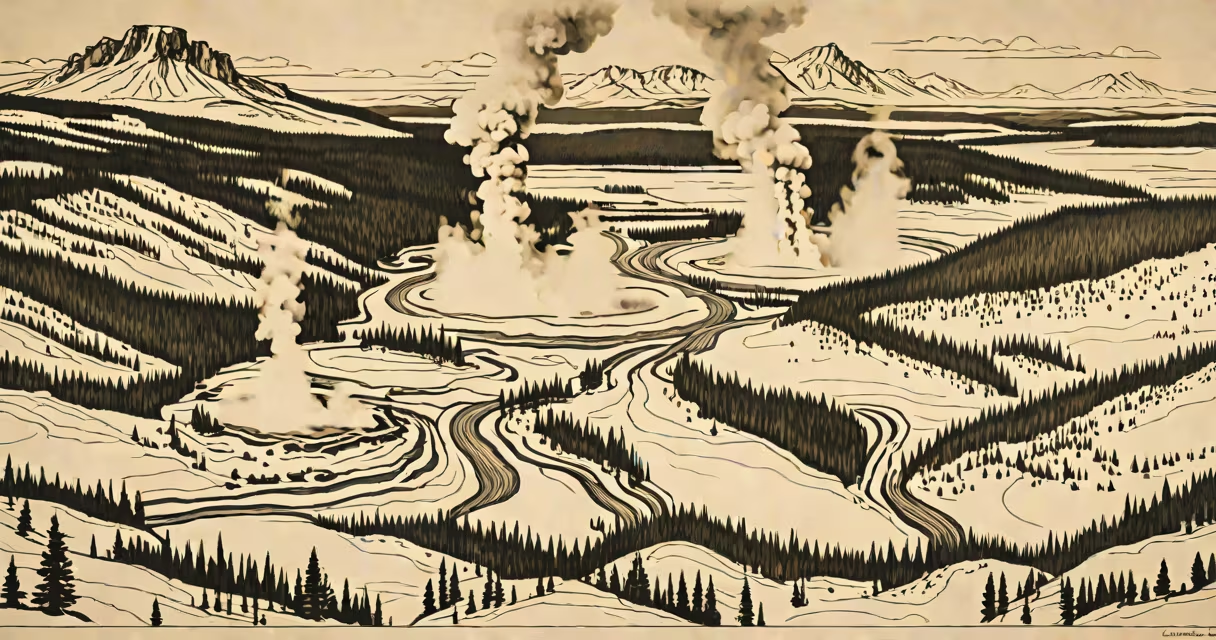
National parks and wildlife are federally designated protected areas in the United States that preserve natural ecosystems, native species, and scenic landscapes while allowing public recreation. These spaces are managed under federal law to maintain ecological integrity, prevent habitat destruction, and protect biodiversity.
The National Park Service (NPS), established in 1916, oversees 63 national parks and over 400 affiliated sites. The mission is to conserve resources unimpaired for future generations. This includes managing invasive species, restoring native plant communities, and monitoring wildlife populations. For example, in Yellowstone, NPS biologists track grizzly bear movements using GPS collars and adjust visitor access zones accordingly.
These areas differ from state parks, wilderness areas, and wildlife refuges in legal authority and funding. National parks receive direct appropriations from Congress and are subject to the Organic Act of 1916, which mandates that parks be preserved "for the benefit and enjoyment of the people." Wildlife refuges, managed by the U.S. Fish and Wildlife Service, focus primarily on species protection rather than public visitation.
Each national park operates under a resource management plan that balances conservation goals with visitor use. The NPS uses science-based decision-making to regulate activities such as hiking, camping, and vehicle access. For instance, in Yosemite, shuttle buses limit private car traffic in the valley during peak season to reduce air pollution and wildlife disturbance.
Wildlife monitoring is central to operations. Biologists conduct annual surveys of key species using remote cameras, acoustic sensors, and field observations. In Everglades National Park, researchers track the Florida panther population through radio telemetry and genetic sampling. Since 2000, the count has risen from 30 to approximately 200 individuals due to habitat restoration and road-crossing structures.
When threats emerge-such as wildfires, disease outbreaks, or climate-driven droughts-parks implement emergency response plans. In 2020, California's Lassen Volcanic National Park closed for two weeks after a lightning strike ignited a fire near the visitor center. Fire crews contained the blaze within 72 hours, minimizing damage to old-growth forests and nesting grounds for golden eagles.
While "national parks and wildlife" often refers to the 63 core national parks, the broader system includes several distinct categories:
| Type | Managed By | Primary Purpose | Example |
|---|---|---|---|
| National Park | National Park Service | Preserve natural and cultural heritage | Yosemite National Park |
| National Wildlife Refuge | U.S. Fish and Wildlife Service | Protect threatened species and habitats | Arctic National Wildlife Refuge |
| National Monument | NPS or Bureau of Land Management | Conserve unique geological or cultural features | Devils Tower National Monument |
| National Recreation Area | NPS | Provide recreational access with limited development | Golden Gate National Recreation Area |
Some areas blur category lines. The Grand Canyon National Park shares boundaries with the Havasupai Indian Reservation and adjacent BLM land. The NPS coordinates with tribal governments and federal agencies to manage water rights, trail access, and sacred site protection. This multi-jurisdictional model helps conservation efforts respect both ecological and cultural values.
Many assume national parks are untouched wilderness. In reality, they are changing systems shaped by human activity. The NPS manages over 100,000 miles of trails, 300 campgrounds, and 1,000 visitor centers. Infrastructure requires ongoing maintenance and funding. In 2023, the NPS reported a $1.5 billion backlog in deferred maintenance across all units.
Another misconception is that wildlife in parks lives in isolation. Animals frequently cross park borders. Elk from Rocky Mountain National Park migrate into Colorado's private ranchlands, leading to conflicts with agriculture. The NPS partners with local landowners and state wildlife agencies to install wildlife crossings and fencing. In Wyoming, a 12-foot-wide overpass built over US Highway 191 reduced elk-vehicle collisions by 90% between 2018 and 2022.
A lesser-known fact: national parks are not always pristine. Some contain legacy contamination. Crater Lake National Park, located in Oregon, sits atop a caldera formed by a supervolcano eruption 7,700 years ago. While the lake itself remains exceptionally clean-its clarity averages 102 feet-the surrounding watershed shows signs of historical mining runoff. The NPS conducts regular sediment testing and implements erosion control measures to prevent further degradation.
Sequoia National Park, established in 1890, protects the largest trees on Earth-giant sequoias. These trees can live over 3,000 years and reach heights of 300 feet. The park's fire ecology program relies on prescribed burns to mimic natural wildfire cycles. Without periodic low-intensity fires, dense underbrush accumulates, increasing the risk of catastrophic blazes.
In 2021, the KNP Complex Fire burned 240,000 acres across Sequoia and Kings Canyon parks. Despite the scale, 75% of the giant sequoias survived. Post-fire assessments showed that trees with thick bark and high canopy positions were most resilient. The NPS now uses drone imagery and thermal mapping to identify high-risk zones and prioritize fuel reduction projects.
One personal observation: During a 2019 visit, I witnessed a black bear emerge from the forest at dawn near the Giant Forest Visitor Center. The animal paused, sniffed the air, then walked calmly across the paved path without aggression. This moment underscored how effective wildlife education and signage are. The NPS posts clear warnings about bear safety and enforces strict food storage rules. Since 2005, bear-related injuries in Sequoia have declined by 82%.
Understanding national parks and wildlife involves recognizing their dual role: safeguarding nature while serving the public. These spaces are not static museums but living systems requiring constant stewardship. The success of conservation depends on collaboration among scientists, rangers, local communities, and visitors who follow Leave No Trace principles.