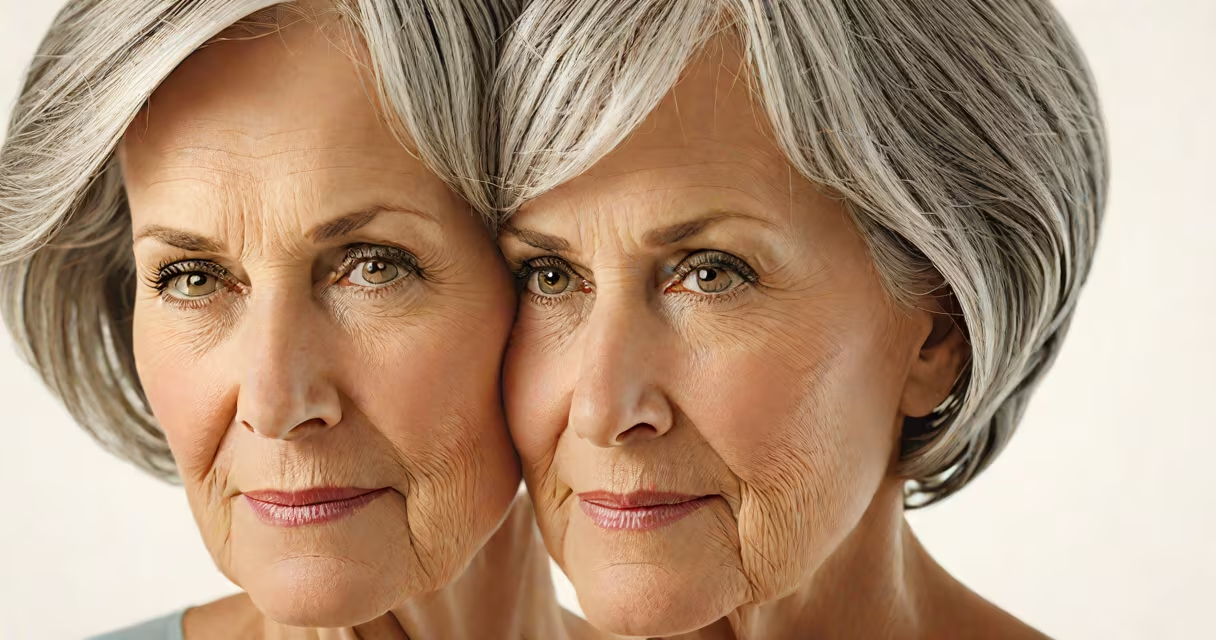
Older women losing hair refers to progressive thinning or balding in women aged 50 and above, primarily driven by hormonal changes, genetics, and aging-related biological shifts. This condition affects up to 50% of women by age 65, according to the American Academy of Dermatology.
Hair loss in older women typically begins subtly-reduced volume, wider part lines, or increased shedding during washing. Unlike male-pattern baldness, which often shows a receding hairline, female pattern hair loss tends to thin evenly across the scalp, especially at the crown. The process is gradual, often taking years to become noticeable.
Medical research confirms that declining estrogen levels after menopause disrupt the hair growth cycle. Estrogen normally extends the anagen (growth) phase of hair follicles. When estrogen drops, follicles shrink, producing finer, shorter hairs until they stop growing altogether. The National Institute on Aging notes that this hormonal shift accounts for about 70% of hair loss cases in postmenopausal women.
Each hair follicle cycles through three phases: anagen (growth), catagen (transition), and telogen (resting/shedding). In healthy individuals, about 85% of scalp hairs are in anagen at any time. With age, this balance shifts-more follicles enter telogen prematurely, leading to visible thinning.
Androgens-male-type hormones-also play a role even in women. As estrogen declines, relative androgen activity increases. Dihydrotestosterone (DHT), a derivative of testosterone, binds to follicles and shortens the anagen phase. Over time, this leads to miniaturization: follicles produce thinner, weaker strands until they cease producing visible hair.
A 2021 study published in the Journal of Clinical Endocrinology & Metabolism found that women with higher DHT levels in blood serum were twice as likely to report significant hair thinning compared to those with normal levels. This suggests that hormone testing may help identify treatable causes early.
Not all hair loss in older women follows the same path. The most common type is female pattern hair loss (FPHL), classified by Ludwig scale grades I-III based on thinning severity:
| Grade | Pattern | Prevalence in Women Over 50 |
|---|---|---|
| I | Mild thinning at crown, part line widening | ~30% |
| II | Noticeable thinning across scalp, reduced density | ~45% |
| III | Significant thinning, exposed scalp patches | ~25% |
Other less common causes include telogen effluvium (sudden shedding due to stress, illness, or medication), alopecia areata (autoimmune patchy loss), and traction alopecia from tight hairstyles. A key distinction: sudden, widespread shedding within weeks points to telogen effluvium, while slow, steady thinning over months aligns with FPHL.
One overlooked factor is nutrient deficiency. Low iron (ferritin below 30 ng/mL), vitamin D, and B12 have been linked to hair thinning in older women. A 2019 study in the International Journal of Trichology showed that correcting ferritin levels improved hair regrowth in 60% of participants with low baseline values.
Many assume that older women losing hair is purely cosmetic or inevitable. That's incorrect. While aging contributes, it's not destiny. Hair loss can be slowed, reversed in early stages, or managed effectively with medical interventions.
Another myth: "Shampoos cause hair loss." Shampoos don't trigger permanent hair loss. However, harsh sulfates or excessive heat styling can worsen existing thinning. Using gentle, sulfate-free products reduces mechanical damage and supports scalp health.
Some women delay seeking care because they believe nothing works. But treatments like topical minoxidil (5%) show measurable results in 60% of users after 6 months, per a 2020 clinical trial in the British Journal of Dermatology. Results appear gradually-visible improvement usually takes 3-6 months.
Sarah, 62, noticed her hair felt lighter during brushing. She'd always worn her hair long, but now she saw more strands in the shower drain. After six months of increasing shedding, she visited a dermatologist. Blood tests revealed low ferritin (18 ng/mL) and borderline low vitamin D. Her doctor prescribed oral iron supplements and a daily 5% minoxidil solution.
After four months, Sarah reported less shedding. By nine months, new fine hairs grew around her part line. Her dermatologist confirmed a 25% increase in hair density via digital scalp imaging. Sarah now uses a mild shampoo and avoids tight ponytails. She says, "I didn't think anything could help, but seeing new growth changed my outlook."
If you're experiencing older women losing hair, start with a medical evaluation. Rule out thyroid disorders, iron deficiency, or medication side effects. Your doctor may order blood work including TSH, ferritin, vitamin D, and free testosterone.
For mild to moderate thinning, over-the-counter 5% minoxidil solution applied twice daily is FDA-approved and effective. Apply directly to dry scalp, massaging gently. Results take 3-6 months. Side effects are rare but include scalp irritation or unwanted facial hair growth.
For more advanced cases, prescription options include spironolactone (anti-androgen) or finasteride (off-label use). These require monitoring due to potential systemic effects. Always consult a dermatologist before starting hormonal treatments.
Not all hair loss in older women stems from age. Some conditions mimic thinning but stem from autoimmune issues or infections. For example, alopecia areata appears as round, smooth bald spots and requires steroid injections or topical immunotherapy.
Genetics matter too. If your mother or grandmother experienced thinning, you're more likely to follow the same pattern. But genes aren't fate-lifestyle and treatment can alter outcomes.
Older women losing hair is not a single issue-it's a mix of biology, hormones, nutrition, and behavior. It's not inevitable. Early intervention improves outcomes. Understanding the root cause separates effective action from wasted effort.
Recognizing the signs early, getting tested, and choosing evidence-based treatments make a meaningful difference. You don't have to accept thinning as a natural endpoint. Many women regain confidence and volume with consistent care.