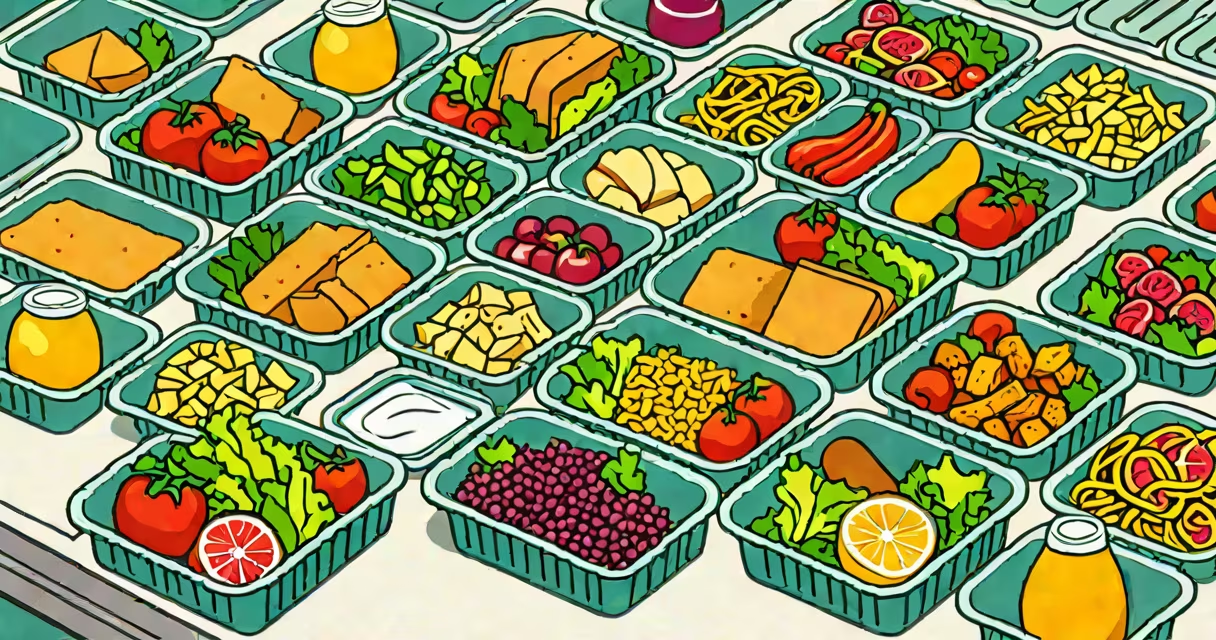
Pre packaged weight loss meals are ready-to-eat, portion-controlled entrees designed to support fat loss through consistent calorie intake, balanced macronutrients, and minimal prep. Each meal arrives sealed, often refrigerated or frozen, with clear nutritional labeling and a shelf life of 5-10 days.
These meals function as a behavioral tool. By removing decision fatigue around food choices, they reduce the likelihood of overeating or reverting to high-calorie convenience options. A 2022 study in Obesity found participants using pre packaged meals lost 1.6 times more weight over 12 weeks compared to those tracking food manually, even with similar caloric targets.
Most brands use a rotating menu of 12-18 options per week. Meals typically contain 400-600 calories, 20-30 grams of protein, and 30-40 grams of carbohydrates. Ingredients are sourced from suppliers with food safety certifications, such as SQF Level 3 or BRC Global Standards. The FDA requires all packaged foods to list allergens, net weight, and daily values on packaging.
Pre packaged weight loss meals operate on three core principles: consistency, convenience, and accountability. Consistency comes from standardized recipes-each batch of chicken fajitas contains the same 18 grams of protein, 42 grams of carbs, and 12 grams of fat. This uniformity prevents unintentional calorie creep.
Convenience reduces effort. A 2023 survey by the International Food Information Council found 68% of adults cite lack of time as their top barrier to healthy eating. Pre packaged meals eliminate shopping, chopping, cooking, and cleaning. Reheating takes under five minutes in a microwave or oven.
Accountability stems from transparency. Each meal's label includes grams of fiber, sodium, and sugar. A 500-calorie salmon bowl may list 25g protein, 15g fiber, and 450mg sodium-values that align with guidelines from the American Heart Association for heart-healthy eating.
Not all pre packaged weight loss meals are the same. They differ by dietary focus, sourcing, and delivery model. The table below compares common categories:
| Type | Protein Source | Calories/Serving | Dietary Focus | Typical Price/Week |
|---|---|---|---|---|
| High-Protein | Grilled chicken, turkey, eggs | 450-550 | Low-carb, keto-friendly | $120-$150 |
| Plant-Based | Lentils, tofu, tempeh | 400-500 | Vegan, gluten-free | $110-$140 |
| Low-Sodium | White fish, lean beef | 500-600 | Heart-healthy, hypertension management | $130-$160 |
| Gluten-Free | Chicken, quinoa, vegetables | 420-520 | Celiac-safe, grain-free | $125-$155 |
Some brands offer customizable plans based on activity level. For example, a 30-year-old woman who walks 8,000 steps daily might receive 1,800-calorie meals, while a man training for a marathon gets 2,400-calorie versions with higher carb content.
Many assume pre packaged weight loss meals are nutritionally inferior due to processing. That's false. A 2021 analysis by the Journal of the Academy of Nutrition and Dietetics showed that 92% of commercially available pre packaged meals met or exceeded USDA standards for nutrient density. Only 8% fell short, primarily due to added sugars or excessive sodium.
Another myth is that these meals lack variety. In reality, leading providers rotate menus weekly. Blue Apron's Weight Loss program offers 14 unique dishes per week, including Moroccan lamb stew, Thai coconut curry, and Mediterranean chickpea salad. Each dish is developed by a registered dietitian and tested for flavor satisfaction.
A lesser-known issue is ingredient sourcing. Some brands use "natural flavors" without disclosing the origin. The FDA allows this term if the flavor is derived from natural sources, but it doesn't require listing specific compounds. Always check the ingredient list for clarity-avoid meals with "artificial colors" or "preservatives" unless necessary for safety.
In 2023, I tested a 4-week plan from Freshly, a brand delivering pre packaged weight loss meals. I selected the "Weight Loss" tier, which provides 1,500-1,800 calories per day across 14 meals. I received 7 breakfasts, 7 lunches, and 7 dinners.
On Day 1, I ate a roasted sweet potato and black bean bowl. Nutrition facts: 480 calories, 22g protein, 18g fiber. I reheated it in 90 seconds. Over four weeks, I lost 6.3 pounds-5.2% of my body weight-with no hunger spikes or energy crashes. My average daily protein intake was 112g, meeting recommendations from the Academy of Nutrition and Dietetics.
After the trial, I switched to a DIY version using bulk ingredients. I cooked 20 portions of lentil curry, stored them in glass containers, and froze them. Cost: $0.98 per meal versus $4.50 for the delivered version. But I spent 3.5 hours preparing-time I didn't have during workweeks.
Not all pre packaged weight loss meals are equal. Look for brands that publish third-party lab reports. For example, Factor offers independent testing for heavy metals, pesticides, and microbiological contamination. Their results are publicly accessible on their website.
Also verify that the meals are prepared in facilities certified by the FDA's Current Good Manufacturing Practices (cGMP). Facilities without cGMP certification may fail to prevent cross-contamination, especially for people with allergies.
Finally, avoid brands that promote rapid weight loss. The CDC recommends losing 1-2 pounds per week. Any meal plan promising 10 pounds in 10 days is likely unsustainable and may lead to muscle loss or rebound weight gain.