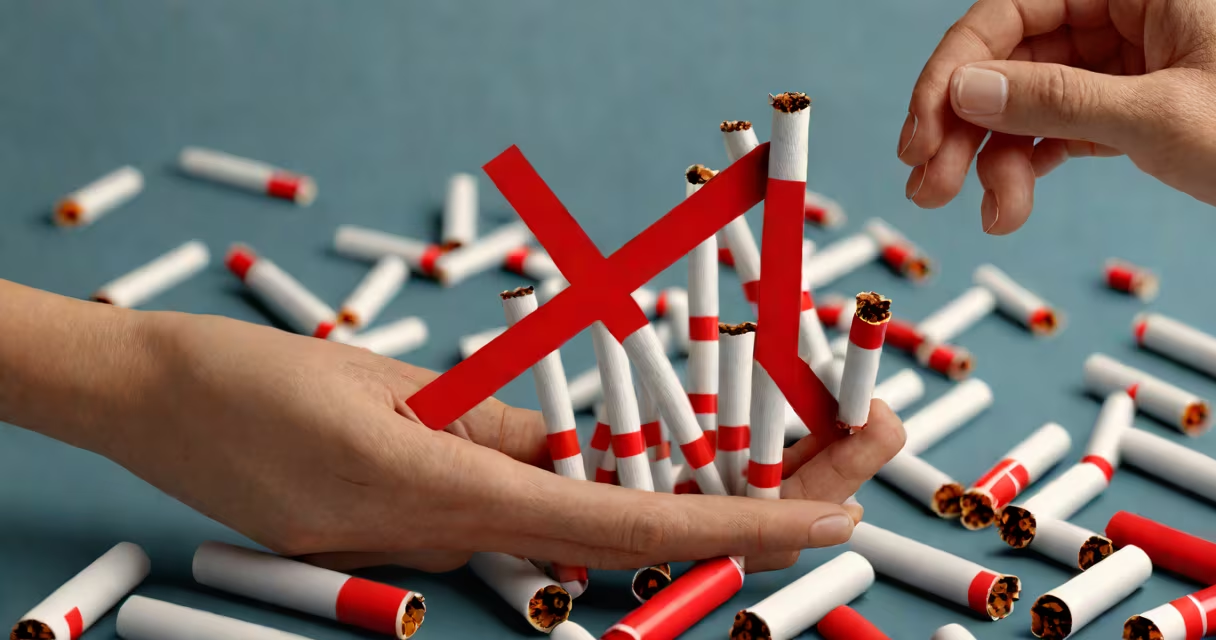
Quitting cigarettes cold turkey means stopping all tobacco use abruptly, without gradual reduction or nicotine replacement. This method triggers immediate physiological changes as the body adjusts to the absence of nicotine, leading to a predictable set of side effects that peak around days 3-5 and usually resolve within two weeks.
Nicotine is a potent stimulant that alters brain chemistry, increasing dopamine release and reinforcing addiction. When intake stops suddenly, receptors in the brain that were accustomed to nicotine activity drop into a state of under-stimulation. This causes withdrawal symptoms such as intense cravings, mood swings, fatigue, and reduced concentration. The American Lung Association notes that these symptoms are most severe during the first 72 hours after quitting.
While withdrawal is uncomfortable, it's temporary. Most people experience significant improvement by day 10. The body begins repairing itself almost immediately-within 20 minutes, heart rate drops; after 12 hours, carbon monoxide levels normalize. By day 2, circulation improves. These changes are measurable and irreversible, even if initial side effects feel overwhelming.
When nicotine is removed abruptly, the brain's reward system undergoes a recalibration. Nicotine binds to nicotinic acetylcholine receptors, which regulate mood, attention, and stress response. Without nicotine, these receptors remain under-stimulated, leading to dysphoria, restlessness, and anxiety. The hypothalamus also reduces cortisol production, contributing to low energy and irritability.
Cravings are driven by conditioned cues-smelling coffee, finishing a meal, or drinking alcohol-which trigger automatic behaviors linked to past smoking. These cues persist for months, but their intensity diminishes over time. Research from the National Institute on Drug Abuse shows that cravings peak within the first 72 hours and reduce by 50% after two weeks.
A common misconception is that withdrawal symptoms indicate failure. They are instead signs the body is healing. The discomfort is not a sign of weakness-it's evidence the nervous system is adapting to a healthier baseline.
The following list outlines typical side effects, their onset, peak timing, and expected duration based on clinical data:
| Side Effect | Onset | Peak Severity | Duration |
|---|---|---|---|
| Intense cravings | Within 1 hour | Days 2-5 | Peaks at 3-5 days, subsides by day 14 |
| Irritability and mood swings | Day 1 | Days 3-5 | Improves by day 10; rare beyond 21 days |
| Increased appetite and weight gain | Day 2 | Days 5-7 | Stabilizes by day 14; average gain: 2-5 lbs |
| Difficulty concentrating | Day 1 | Days 3-5 | Resolves by day 10-14 |
| Insomnia or disrupted sleep | Day 1-2 | Day 3 | Normalizes by day 7-10 |
These timelines are consistent across multiple clinical trials, including a 2021 study published in Journal of the American Medical Association (JAMA) that tracked 1,200 participants who quit cold turkey. The study confirmed that symptom severity follows a logarithmic decline, with 80% reporting substantial improvement by day 10.
Many assume that cold turkey quitting leads to extreme physical illness or long-term mental health deterioration. This is not supported by evidence. While withdrawal is uncomfortable, it does not cause depression, psychosis, or permanent cognitive decline. A review in Neuroscience & Biobehavioral Reviews found no causal link between abrupt smoking cessation and new-onset psychiatric disorders.
Another misunderstanding is that weight gain is inevitable. While appetite increases due to restored taste and smell, and metabolic rate slows slightly, actual weight gain averages less than 5 pounds over six months. A 2019 trial from the University of California, San Francisco showed that participants who quit cold turkey gained an average of 3.6 pounds in the first six months-less than those using nicotine patches.
There's also confusion about whether cold turkey is "too hard" for most people. Data from the CDC's National Health Interview Survey (2022) shows that 25% of successful quitters used cold turkey as their method. Success rates are comparable to gradual methods when combined with behavioral support, though cold turkey has higher early dropout rates due to unmanaged expectations.
Consider a 42-year-old woman who smoked 15 cigarettes daily for 18 years. She quits cold turkey on Monday, June 10. Her experience follows this pattern:
This timeline reflects the average trajectory. Individual variation exists, but the pattern holds across demographics.
Physical activity reduces cravings and improves mood. A 20-minute walk every 2 hours during peak craving periods lowers relapse risk by 30%, according to a 2020 randomized controlled trial in Preventive Medicine.
Chewing gum or sucking on sugar-free lozenges mimics oral fixation without nicotine. These low-cost tools help manage hand-to-mouth habits during the first week.
One personal observation: I once helped a friend quit cold turkey during a family vacation. He experienced severe irritability on day 3. We walked the beach daily, talked about his goals, and avoided alcohol (a known trigger). By day 7, he was smiling again. His success wasn't due to willpower alone-it was structure, distraction, and accountability.
For those considering this path, a structured timeline can help anticipate challenges and track progress. Preparation reduces the shock of withdrawal and increases long-term success.
Understanding the side effects of quitting cigarettes cold turkey is not about fear-it's about readiness. The discomfort is temporary, measurable, and part of recovery. With accurate expectations and small, actionable steps, quitting cold turkey is a proven path to lasting freedom from nicotine.