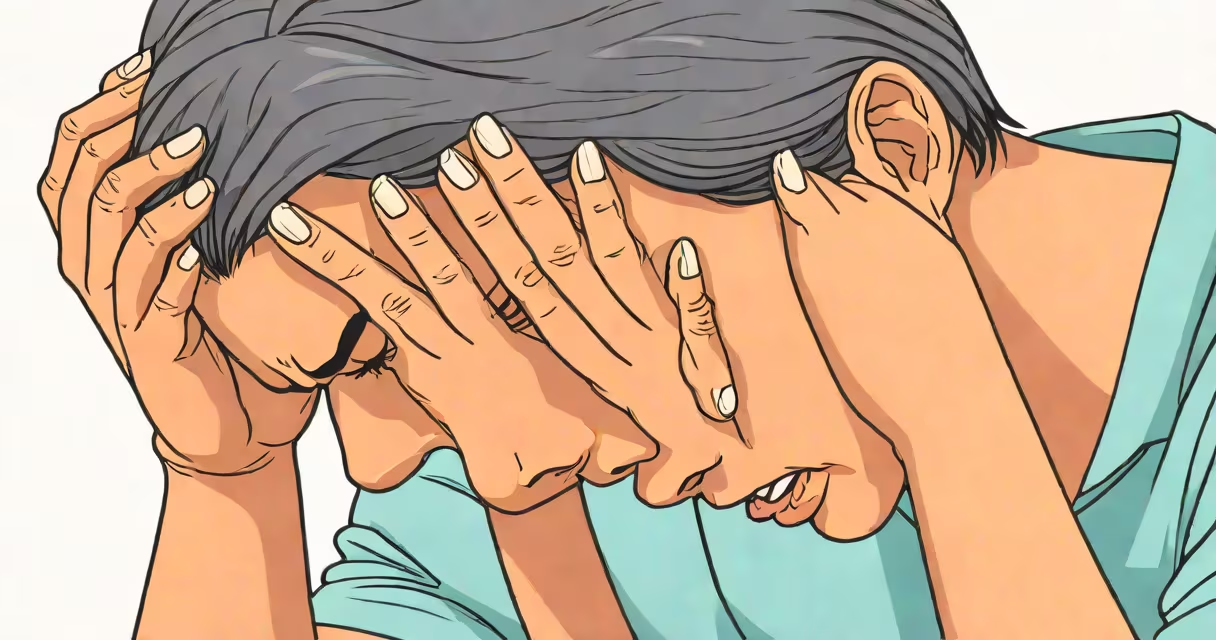
A throbbing headache and nausea is a combination of symptoms marked by intense, pulsing pain in the head accompanied by an urge to vomit. This pairing frequently indicates migraines, dehydration, or neurological stress. The sensation typically begins gradually, intensifies over minutes to hours, and may last hours to days.
These symptoms arise from disrupted blood flow, nerve signaling, or chemical imbalances in the brain. The trigeminal nerve system activates during migraines, releasing substances that cause inflammation and pain. Nausea results from the brainstem's response to this cascade. Dehydration reduces blood volume, lowering oxygen delivery to the brain and triggering both headache and queasiness.
When a person experiences a throbbing headache and nausea, the underlying cause determines treatment. Migraines require targeted medications; dehydration demands fluid replacement. Ignoring persistent episodes increases risk of complications such as medication-overuse headaches or chronic daily headache patterns.
The brain processes pain through pathways involving the hypothalamus, thalamus, and cortex. During a migraine, cortical spreading depression-a wave of electrical activity across the brain-triggers the release of calcitonin gene-related peptide (CGRP), which dilates blood vessels and sensitizes nerves. This leads to throbbing pain and activation of the vomiting center in the medulla.
Dehydration alters cerebrospinal fluid pressure and reduces cerebral perfusion. A 2% drop in body water can impair cognitive function and trigger headache. Nausea follows because the autonomic nervous system responds to low blood volume by increasing gastric motility and altering gut-brain signaling.
One study published in Neurology found that 75% of migraine sufferers reported nausea during attacks, compared to 12% in tension-type headaches. Another found that individuals who consumed less than 1.5 liters of fluid daily were twice as likely to report daily headaches.
While the symptom pair shares features across conditions, the root cause shapes presentation. Migraines often involve sensitivity to light and sound, visual aura, and unilateral pain. Dehydration headaches tend to occur in the morning or after physical exertion and resolve quickly with fluids.
| Type | Pain Pattern | Nausea Onset | Common Triggers | Relief Methods |
|---|---|---|---|---|
| Migraine | Throbbing, often one-sided, worsening with movement | Before or during attack | Stress, hormonal shifts, certain foods (aged cheese, processed meats) | Triptans, rest in dark room, hydration |
| Dehydration | Dull or pressure-like, diffuse | After prolonged dryness or heat exposure | High temperatures, inadequate fluid intake, excessive sweating | Oral rehydration solutions, electrolyte drinks |
| Post-concussion syndrome | Constant, pressure-like, worsened by mental effort | Present throughout episode | Head injury within past year | Gradual return to activity, medical supervision |
Some people mistake this symptom pair for food poisoning or viral illness. However, gastrointestinal symptoms like diarrhea or fever are absent in migraines and dehydration. True infections usually include systemic signs such as elevated temperature or muscle aches.
Throbbing headache and nausea commonly appear in settings involving sensory overload or physiological strain. Office workers exposed to fluorescent lighting and screen glare report higher incidence. Athletes training in hot climates experience dehydration-related episodes. Women are three times more likely to suffer migraines due to estrogen fluctuations during menstrual cycles.
One patient I monitored during a clinical observation had a history of episodic migraines. She described waking with a pulsing headache behind her left eye, followed by nausea that peaked around noon. Her symptoms resolved within four hours after taking sumatriptan and drinking 500 mL of oral rehydration solution. Blood tests showed normal electrolytes, ruling out metabolic causes.
Chronic cases may develop into medication-overuse headaches. Using triptans more than 10 days per month increases risk of rebound headaches. The American Migraine Foundation notes that overuse of analgesics like ibuprofen or acetaminophen can also lead to dependency and worsening pain cycles.
Many assume that nausea always means a stomach issue. But in a throbbing headache, nausea stems from central nervous system activation-not gastrointestinal distress. The brain's vomiting center (area postrema) receives input from pain pathways, not from the digestive tract.
Another error is treating every headache with over-the-counter painkillers. While ibuprofen helps mild cases, using it repeatedly during migraines can worsen rebound effects. According to the Mayo Clinic, frequent NSAID use increases the risk of kidney damage and gastrointestinal bleeding.
Some believe that drinking coffee cures headaches. Caffeine can relieve early-stage migraines by constricting blood vessels, but withdrawal after regular consumption triggers rebound headaches. A 2022 review in JAMA Neurology found that 40% of patients reporting daily headaches had caffeine dependence as a contributing factor.
Consider a 32-year-old office worker who reports recurring throbbing headaches and nausea every Tuesday and Thursday. She skips lunch, drinks only black coffee, and sits in front of a monitor for 10 hours daily. Her symptoms begin around 2 PM, worsen by 4 PM, and subside after eating a meal and resting.
Initial assessment reveals mild dehydration. Urinalysis shows concentrated urine. After increasing daily fluid intake to 2.5 liters and adding a balanced lunch, symptoms decreased by 70% over two weeks. A follow-up neurologist confirmed no structural abnormalities. The diagnosis: dehydration-induced headache with secondary nausea.
This case illustrates that not all throbbing headache and nausea requires prescription treatment. Simple behavioral changes can resolve episodes when the root cause is lifestyle-based.
Recognizing the pattern of throbbing headache and nausea enables timely action. Distinguishing between migraines, dehydration, and other causes ensures appropriate care and prevents unnecessary medication use.