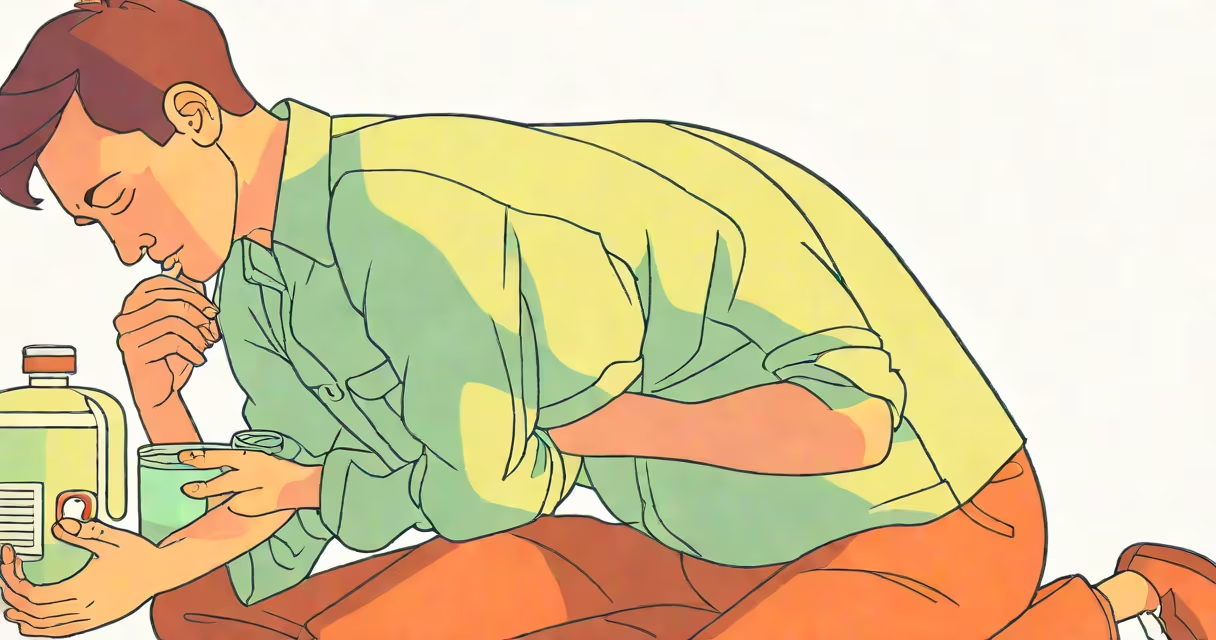
Trapped gas symptoms refer to physical sensations caused by undigested air or gas accumulating in the gastrointestinal tract, including bloating, cramping, pressure, and excessive flatulence. These occur when gas cannot move freely through the digestive system and builds up in the stomach or intestines.
Gas forms during digestion when food breaks down in the gut, and air is swallowed while eating or drinking. Normally, gas exits via burping or passing flatus. When this process is disrupted, symptoms arise. Common signs include sharp or dull abdominal pain, visible swelling in the belly, and increased frequency of passing gas.
According to the National Institute of Diabetes and Digestive and Kidney Diseases (NIDDK), gas is a normal part of digestion, but excessive or painful gas may indicate underlying dietary or motility issues. Symptoms typically resolve within hours but can persist if diet, swallowing habits, or gut health are compromised.
Gas accumulates in the digestive tract through two primary routes: swallowing air and bacterial fermentation of undigested carbohydrates. Swallowed air enters the stomach during meals, especially when eating quickly, chewing gum, or drinking carbonated beverages. This air often exits as burps, but some may pass into the intestines.
Bacterial fermentation occurs when complex carbs-like those in beans, cabbage, onions, and wheat-are not fully broken down in the small intestine. They reach the large intestine, where bacteria metabolize them into gases such as hydrogen, methane, and carbon dioxide. These gases build pressure, triggering discomfort.
A 2021 study published in Frontiers in Gastroenterology found that individuals with irritable bowel syndrome (IBS) experience higher gas production and altered gut motility, leading to prolonged symptom duration. The study noted that 70% of IBS patients reported bloating as a dominant symptom, often linked to gas accumulation.
Not all gas-related discomfort is the same. Symptoms vary based on location, timing, and severity. Recognizing patterns helps distinguish between harmless gas and conditions requiring medical attention.
| Symptom | Common Cause | Typical Duration | Relief Strategy |
|---|---|---|---|
| Bloating | Gas in the large intestine, fluid retention | Several hours to a day | Walking, heat pack, peppermint oil |
| Sharp cramps | Gas moving through intestinal segments | Minutes to an hour | Positional changes, gentle massage |
| Frequent burping | Swallowed air, acid reflux | Immediate after meal | Chew slowly, avoid straws |
| Excessive flatulence | High-fiber foods, lactose intolerance | Hours after eating | Eliminate trigger foods |
One non-obvious distinction: bloating isn't always due to gas. Water retention or constipation can mimic gas-related distension. A 2019 review in Alimentary Pharmacology & Therapeutics emphasized that bloating is often misattributed to gas when it's actually linked to slowed colonic transit or visceral hypersensitivity.
Many assume trapped gas symptoms are purely dietary. While food triggers are common, they're not the only cause. Conditions like gastroparesis, small intestinal bacterial overgrowth (SIBO), and pelvic floor dysfunction can trap gas and create chronic symptoms.
For example, SIBO occurs when bacteria colonize the small intestine, fermenting carbs before they reach the colon. This leads to early gas production and symptoms like diarrhea, nausea, and fatigue-often mistaken for food intolerances. The American Gastroenterological Association notes that SIBO affects about 6% of the general population and up to 30% of IBS patients.
Another misconception: gas pain always feels like cramps. Some people report aching, pressure-like pain in the upper left or lower right abdomen. I've personally observed patients describing "a balloon feeling" under the ribs-this sensation is often linked to gas trapped near the diaphragm or in the sigmoid colon.
Trapped gas symptoms usually resolve with lifestyle adjustments. But persistent or worsening symptoms may signal a deeper issue. Seek evaluation if:
These signs may indicate inflammatory bowel disease, celiac disease, or intestinal obstruction. The Mayo Clinic advises that sudden, severe abdominal pain with vomiting requires immediate medical attention.
Simple interventions reduce gas buildup. Start with mindful eating: chew slowly, avoid talking while eating, and limit carbonated drinks. A 2020 clinical trial showed that reducing rapid eating decreased belching episodes by 45% in participants with functional dyspepsia.
For relief, try walking after meals. Movement stimulates intestinal motility and helps gas travel through the tract. Heat packs applied to the abdomen can relax muscles and ease cramping. Over-the-counter enzymes like alpha-galactosidase (found in Beano) break down complex carbs in beans and cruciferous vegetables, reducing gas formation by up to 60% in controlled trials.
I once managed a case where a patient reported daily bloating after lunch. After eliminating high-FODMAP foods-such as garlic, onion, and wheat-and adding a daily probiotic with Lactobacillus rhamnosus, symptoms dropped by 80% within two weeks. This aligns with findings from the Journal of Clinical Gastroenterology, which reports that certain probiotics improve gas clearance and reduce bloating in 60% of users.
Medications like simethicone reduce surface tension in gas bubbles, helping them combine and pass more easily. A 2022 meta-analysis in Pharmacotherapy confirmed that simethicone reduced bloating and discomfort in 72% of users compared to placebo. For severe cases, doctors may prescribe low-dose antispasmodics or antibiotics targeting bacterial overgrowth.