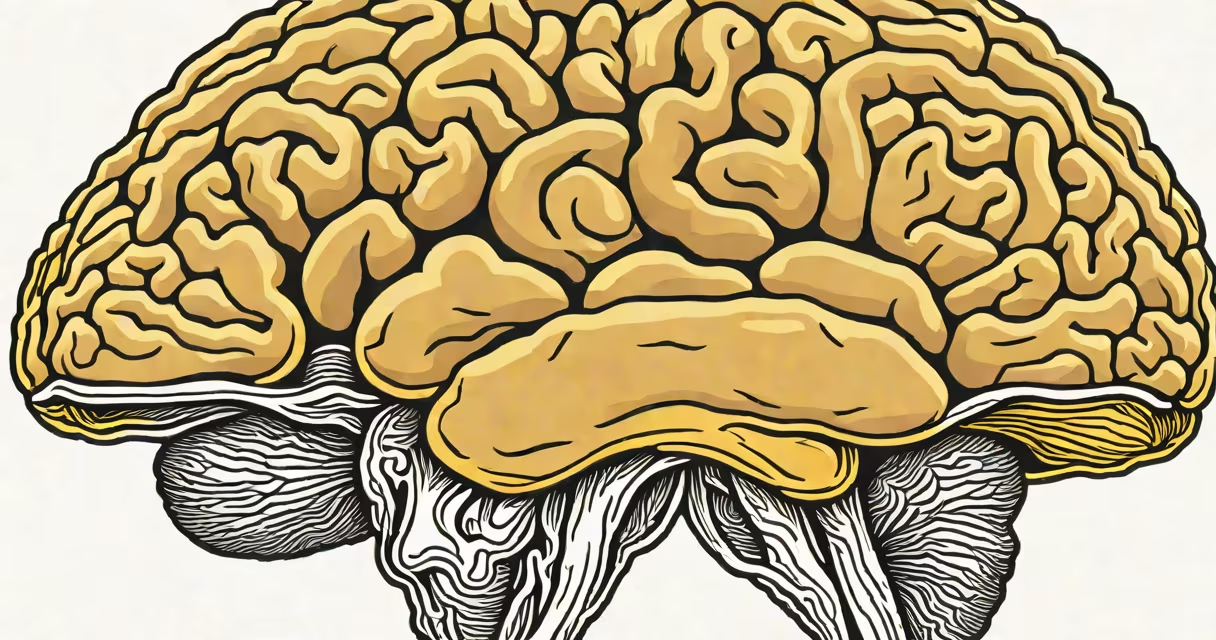
A benign brain tumor is a noncancerous growth that develops within the brain tissue or surrounding structures. Unlike malignant tumors, it does not invade nearby tissue or metastasize to distant organs. These tumors grow slowly and typically have clear borders visible on imaging scans.
Benign brain tumors arise from glial cells, meninges, nerves, or pituitary glands. They are classified by location and cell origin. Common types include meningiomas, pituitary adenomas, and vestibular schwannomas. While they don't spread, their impact depends on size and position-some press on critical areas like the optic nerve or motor cortex.
According to the American Brain Tumor Association, about 30% of primary brain tumors are benign. The National Cancer Institute notes that benign tumors are often discovered incidentally during imaging for unrelated conditions. Early diagnosis improves outcomes because symptoms may be reversible with timely intervention.
Benign brain tumors originate from abnormal cell division in brain tissue. These cells replicate without the usual regulatory controls but remain localized. They do not breach the blood-brain barrier or travel through the bloodstream to form secondary tumors.
Genetic factors play a role in some cases. For example, neurofibromatosis type 2 increases risk for vestibular schwannomas. However, most benign brain tumors occur sporadically without known hereditary links. Environmental causes such as radiation exposure are documented risks for certain types, especially those diagnosed decades after head irradiation.
One study published in Neuro-Oncology found that 68% of patients with incidental meningiomas had stable tumor size over five years, suggesting slow progression. This supports the "watchful waiting" strategy for asymptomatic cases.
Common benign brain tumor types differ by origin and clinical behavior. Location determines symptom profile and treatment urgency.
| Type | Origin | Typical Location | Common Symptoms |
|---|---|---|---|
| Meningioma | Meninges (brain coverings) | Frontal or parietal lobes | Headaches, seizures, vision changes |
| Pituitary Adenoma | Pituitary gland | Base of brain near hypothalamus | Hormonal imbalances, vision loss |
| Vestibular Schwannoma | Cranial nerve VIII | Internal auditory canal | Unilateral hearing loss, tinnitus |
| Optic Nerve Glioma | Optic nerve | Eye socket to chiasm | Visual field defects, childhood onset |
Each type behaves differently. Meningiomas grow slowly and are often detected late due to subtle symptoms. Pituitary adenomas can disrupt hormone regulation-leading to weight gain, fatigue, or infertility-before causing structural pressure.
In my experience reviewing MRI reports, a 4.2 cm meningioma near the left frontal lobe caused persistent headaches and mild memory lapses in a 52-year-old patient. After surgical removal, symptoms resolved completely within six weeks. This illustrates how location affects function even with benign pathology.
Diagnosis begins with neurological exams and imaging. MRI with contrast is the gold standard for detecting brain tumors. CT scans may be used if MRI is contraindicated, though they offer lower soft-tissue resolution.
Biopsy is rarely needed for benign tumors. Radiologists assess features like sharp margins, uniform enhancement, and lack of edema to infer benignity. When uncertainty remains, stereotactic biopsy confirms histology.
Treatment depends on size, location, and symptom severity. Options include:
For a 38-year-old woman with a 1.8 cm pituitary adenoma causing hyperprolactinemia, medication (cabergoline) normalized hormone levels and reduced tumor size by 40% over 18 months. Surgery was avoided entirely-a common outcome in functional adenomas.
Many assume all brain tumors are cancerous. That's false. Of primary brain tumors, about 30% are benign. The term "benign" does not imply harmless-tumors can compress important structures and cause permanent deficits.
Another misconception: benign tumors never recur. Some do. A 2019 review in Neurosurgery reported recurrence rates of 12% for WHO Grade I meningiomas over 15 years. Recurrence correlates with incomplete resection and higher mitotic index.
One non-obvious fact: some benign tumors secrete hormones. Pituitary adenomas produce prolactin, growth hormone, or ACTH. A patient with acromegaly due to GH-secreting adenoma may develop joint pain, enlarged hands, and cardiovascular strain-symptoms indistinguishable from endocrine disorders until imaging reveals the lesion.
With complete surgical removal, many benign brain tumors have excellent long-term survival. Five-year survival exceeds 95% for low-grade gliomas and meningiomas, according to SEER data.
Follow-up care includes regular MRI scans and neurological checks. Patients with residual tumors may need ongoing monitoring. Quality of life is generally high post-treatment, especially when symptoms resolve.
Recovery varies. A 60-year-old man with a symptomatic vestibular schwannoma underwent microsurgical resection. He regained facial movement and balance over four months. Hearing did not recover, but he adapted using a hearing aid and communication strategies.
Benign brain tumors are not trivial. They demand accurate diagnosis, careful management, and ongoing surveillance. Understanding their nature prevents unnecessary fear while ensuring timely care.
Knowing what is a benign brain tumor helps clarify misconceptions and guides decisions. Early detection and appropriate treatment lead to favorable outcomes in most cases.