Orgasm dysfunction-difficulty achieving orgasm despite adequate stimulation-is a common sexual health concern affecting people of all genders. It results from a mix of neurological, hormonal, psychological, and physical factors, not personal failure.
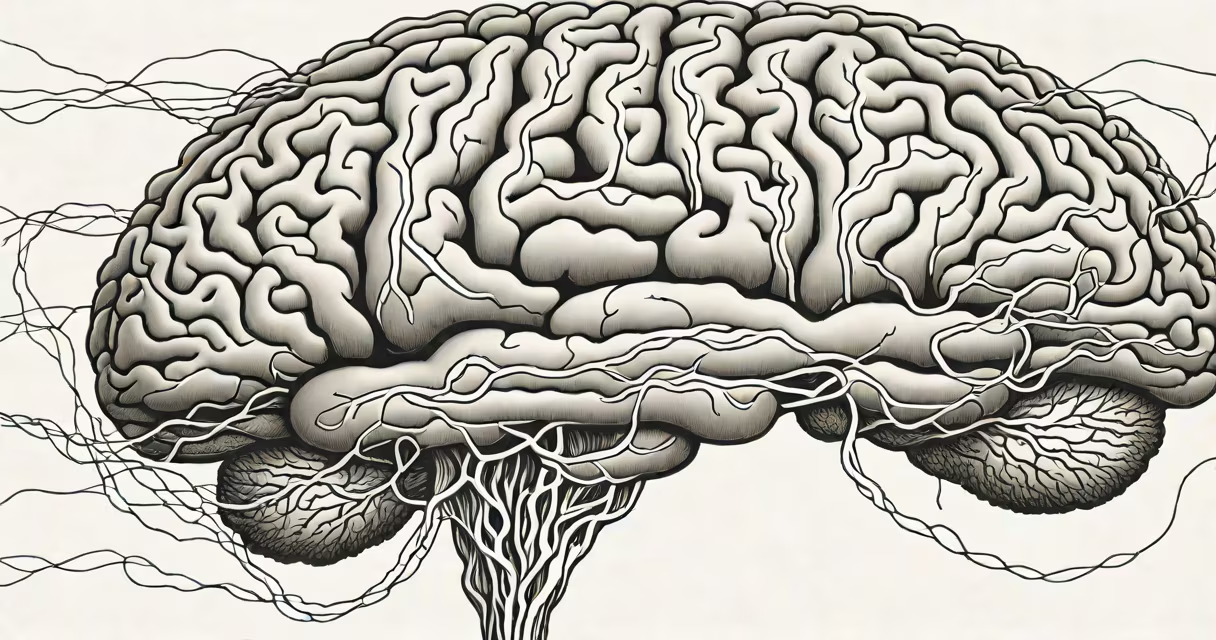
Orgasm is a complex neurophysiological event involving coordinated muscle contractions, neurotransmitter release, and central nervous system activation. When this process fails, it's often due to disrupted feedback loops between the brain, spinal cord, and genital tissues. The inability to climax isn't a sign of low desire or poor performance-it's a symptom of underlying mechanisms that may be treatable.
According to the American College of Obstetricians and Gynecologists (ACOG), up to 40% of women report persistent difficulty reaching orgasm, while studies show men with lifelong anorgasmia are less likely to seek care due to stigma. These numbers reflect widespread misunderstanding of normal sexual variation versus clinical dysfunction.
During sexual arousal, blood flow increases to the genitals, nerves fire signals to the spinal cord, and the brain releases dopamine, oxytocin, and norepinephrine. Orgasm occurs when these systems reach a threshold of neural excitation, triggering rhythmic pelvic floor contractions lasting 0.8 to 1.5 seconds.
Failure happens when any part of this chain breaks. For example, nerve damage from diabetes or pelvic surgery can disrupt signal transmission. Hormonal imbalances-low testosterone in men, low estrogen in postmenopausal women-reduce sensitivity. Medications like SSRIs (e.g., sertraline, fluoxetine) alter serotonin levels, which suppresses orgasmic potential in 30-50% of users.
A 2021 study in The Journal of Sexual Medicine found that 68% of participants reporting anorgasmia had no identifiable physical cause. Instead, anxiety, past trauma, or performance pressure altered brain activity patterns during sex, effectively "shutting off" the orgasm pathway even with physical stimulation.
Orgasm issues fall into two categories: primary (never experienced orgasm) and secondary (lost ability after previously achieving it). Primary anorgasmia affects ~15% of women and ~5% of men, often linked to early-life conditioning or lack of sexual education.
Secondary anorgasmia is more common and frequently tied to medication side effects, chronic illness, or emotional stress. A 2023 review in Frontiers in Psychology identified depression, relationship conflict, and fear of intimacy as leading psychological contributors, especially in individuals with high perfectionism or rigid beliefs about sex.
| Type | Prevalence | Common Causes | Treatment Focus |
|---|---|---|---|
| Primary anorgasmia | ~15% women, ~5% men | Early sexual conditioning, lack of education, neurodevelopmental differences | Sex therapy, sensory retraining, mindfulness-based approaches |
| Secondary anorgasmia | ~30% women, ~20% men | SSRI use, diabetes, pelvic surgery, PTSD, relationship strain | Medication adjustment, pelvic floor rehab, cognitive behavioral therapy |
One overlooked factor is the role of partner dynamics. Research from the University of Michigan shows that couples who prioritize mutual pleasure over performance see higher orgasm rates-even when stimulation techniques are unchanged. This suggests that psychological safety matters more than technique alone.
Many assume that difficulty orgasming stems from inadequate stimulation. But a 2019 study in Archives of Sexual Behavior showed that women who reported consistent orgasm with masturbation often failed to climax during partnered sex-not because of poor technique, but due to distraction, emotional disconnection, or fear of judgment.
Another myth is that men always achieve orgasm. In reality, male anorgasmia affects ~10% of men, particularly those with high anxiety around sexual performance. The condition is underdiagnosed because men often don't report it, fearing it reflects inadequacy.
Orgasm is not required for sexual satisfaction. The National Institutes of Health (NIH) notes that many people derive deep pleasure from foreplay, intimacy, and emotional connection without climaxing. Focusing solely on orgasm as the goal can create pressure that worsens the problem.
Consider a 34-year-old woman with secondary anorgasmia after childbirth. She reported regular clitoral stimulation during solo sex but never climaxed with her partner. Initial exams ruled out hormonal imbalance or pelvic nerve damage. Her gynecologist referred her to a sex therapist.
Through guided exploration, she revealed that she associated sex with guilt-feeling "dirty" after orgasm due to religious upbringing. Brain scans during arousal tasks showed reduced activity in the ventromedial prefrontal cortex, a region linked to emotional regulation and self-worth. After six months of cognitive behavioral therapy focused on body acceptance and reducing shame, she achieved orgasm in 70% of partnered encounters.
This case illustrates that the issue wasn't anatomical-it was psychological. Treatment addressed the disconnect between physical sensation and emotional meaning.
If you've tried multiple methods and still can't climax, consult a healthcare provider specializing in sexual medicine. A urologist, gynecologist, or certified sex therapist can assess for medical causes or psychological barriers.
For medication-related anorgasmia, switching to a different antidepressant (e.g., bupropion, which doesn't suppress orgasm) or adjusting dosage may help. Pelvic floor physical therapy improves sensation in cases of nerve compression or muscle tension.
I once observed a patient with lifelong anorgasmia due to childhood trauma. After 18 sessions of trauma-informed sex therapy, he described his first orgasm as "not a release, but a return." He hadn't felt safe enough to let go until he processed the emotional roots of avoidance.
Recovery isn't linear. Some people improve within weeks; others take months. But success rates exceed 70% in structured treatment programs, according to the American Association of Sexuality Educators, Counselors, and Therapists (AASECT).
Why can't I orgasm? Because your body is not broken-it's responding to signals, experiences, and biology in ways that may not align with societal expectations. Orgasm is not a test. It's not proof of love, desire, or adequacy.
Understanding why you can't orgasm begins with separating myth from physiology. The answer lies not in blaming yourself, but in exploring the layers of your nervous system, hormones, emotions, and environment. With accurate information and professional support, many people restore their capacity for orgasm-or change pleasure beyond it.
Why can't I orgasm? It's a question rooted in biology, emotion, and context-not failure. Addressing it with compassion and evidence leads to better outcomes than silence or shame.