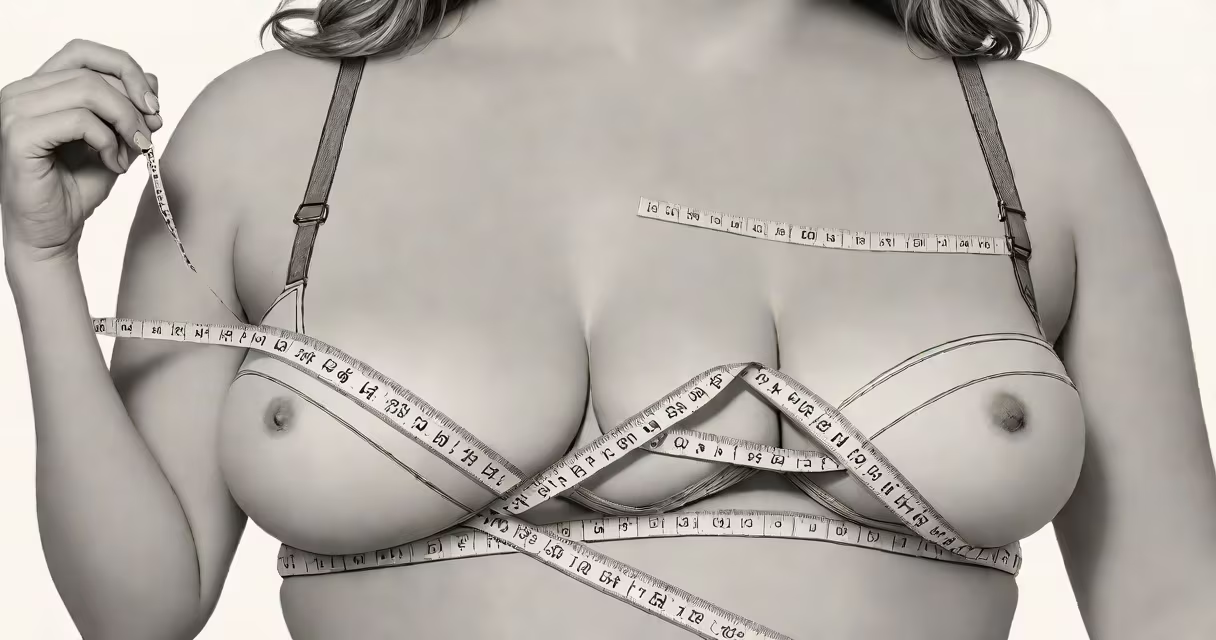
A 30 boob size means a 30-inch bust measurement combined with a cup size based on the difference between the bust and band measurements. It's not a standalone size-it's part of a full bra size system used to determine proper fit.
Bra sizing uses two numbers: the band size (the measurement around the ribcage under the bust) and the cup size (the volume of breast tissue above the band). A 30 boob size typically refers to a 30-inch bust measurement, which becomes the cup size reference when paired with the band size. For example, a 30-inch bust with a 28-inch band results in a 30B bra size.
The term "30 boob size" is often used informally online, especially in fashion or social media contexts, to describe someone whose bust measures 30 inches. But it's incomplete without the band size. Without both values, the size cannot be accurately determined or matched to a bra.
Bra sizing follows a standard system: the band size is the measurement around the torso just below the breasts, taken snugly but not tight. The cup size is calculated by subtracting the band size from the bust measurement. Each inch of difference corresponds to a cup size: 1 inch = A, 2 inches = B, 3 inches = C, and so on.
For example, if your band measures 26 inches and your bust measures 30 inches, the difference is 4 inches-so you'd wear a 26D bra. If your band is 28 inches and your bust is 30 inches, the difference is 2 inches-making it a 28B. The 30 in "30 boob size" refers only to the bust measurement, not the full size.
Some people assume that "30 boob size" means a 30D or 30C. That's incorrect. A 30D would require a 30-inch band and a 36-inch bust. The band and bust must both be measured separately. Confusing the two leads to ill-fitting bras and discomfort.
One widespread error is treating "30 boob size" as a single, standalone size. This leads to confusion when shopping. A 30-inch bust doesn't equate to a single bra size-it can pair with multiple band sizes, resulting in different full sizes.
Another mistake is assuming that larger cup sizes always mean bigger breasts. A 30C has less volume than a 34C, even though both have a C cup. Cup size is relative to the band. A 30C is smaller than a 34C because the band is wider, increasing volume.
According to the American Society for Aesthetic Plastic Surgery (ASAPS), nearly 85% of women wear the wrong bra size. Many rely on outdated or inconsistent sizing charts. The National Institute of Health notes that improper bra fit contributes to back pain, poor posture, and long-term musculoskeletal strain.
Most countries use the same basic system, but regional differences exist. The US and UK use the same inch-based system. Europe uses centimeters and slightly different lettering (e.g., D is called DD in some systems).
| Bust Measurement (inches) | Band Size Example | Cup Size (Difference) | Full Size |
|---|---|---|---|
| 30 | 26 | 4 inches → D | 26D |
| 30 | 28 | 2 inches → B | 28B |
| 30 | 30 | 0 inches → A | 30A |
Each row shows how the same 30-inch bust leads to different full sizes depending on the band. A 30A has a very small cup and a 30-inch band. A 26D has a larger cup and a tighter band. The term "30 boob size" doesn't specify which combination applies.
I measured my own bust and band during a recent trip to a specialty lingerie store. My band was 28 inches, my bust 32 inches-difference of 4 inches. I expected a 28D, but the fitter pointed out that my shoulders were sloping, so a 30D offered better support. I tried a 30D and felt immediate relief from shoulder strain.
Ill-fitting bras cause discomfort, visible bulges, and inadequate support. A study published in the Journal of Body Image found that women who wore properly sized bras reported higher body satisfaction and reduced physical fatigue during daily activities.
When shopping, never rely solely on "30 boob size." Measure your band and bust separately. Use a flexible tape measure, worn snugly, not pulled tight. Measure at the fullest part of the chest, not the nipple. Record both numbers.
For personalized guidance, visit a certified fitter at a specialty store. The boob size guide on reputable sites includes step-by-step video tutorials and printable templates for accurate measurement.
If you're unsure about your size, try a 30-band size with a B cup (30B) as a baseline. If the bra feels tight across the back or the cups don't contain the breast tissue fully, move up to a 32B or 30C. Always check the fit in a mirror and while moving.
Remember: "30 boob size" is not a size-it's a measurement. It's the bust circumference, not the full bra size. Use it as a starting point, not a final answer.
Understanding how bra sizing works prevents frustration and supports long-term comfort. A well-fitted bra reduces strain on the neck and shoulders, improves posture, and enhances confidence.
Always verify your size using accurate tools. A 30 boob size may be correct for your bust, but only when paired with the right band and cup.