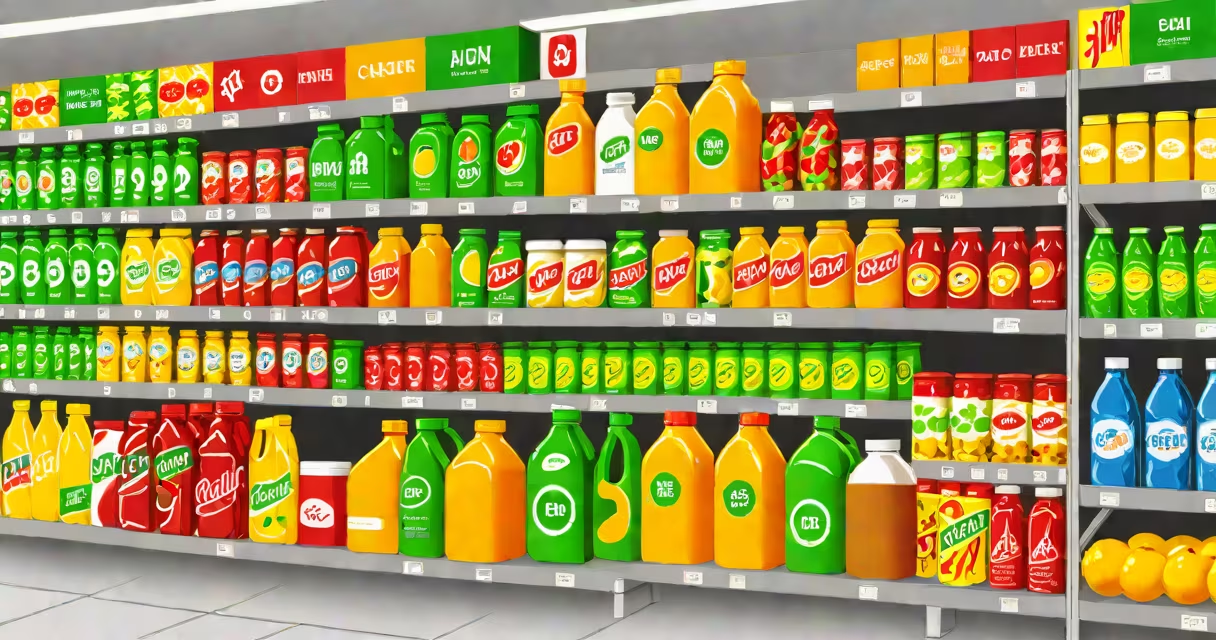
AI in cpg refers to the use of artificial intelligence technologies-such as machine learning, natural language processing, and computer vision-to improve decision-making across the consumer packaged goods lifecycle, from ingredient sourcing to in-store promotions.
These systems analyze vast streams of data in real time to predict demand, improve packaging, detect fraud, and personalize marketing. For example, Procter & Gamble uses AI to forecast regional demand for Tide detergent, adjusting production schedules across 120 facilities to reduce overstock by 18% in 2023.
Unlike generic automation, AI in cpg learns from patterns in historical sales, weather data, social media sentiment, and even store layout changes. This enables changing responses-like automatically rerouting shipments during a heatwave that spikes demand for cold beverages.
AI in cpg operates through layered systems trained on structured and unstructured data. A typical pipeline begins with data ingestion from point-of-sale systems, warehouse management software, and online reviews.
Machine learning models then identify correlations invisible to humans. For instance, an algorithm may detect that sales of plant-based protein bars spike 37% in ZIP codes with high social media activity around fitness influencers, even if those areas have no local gyms.
Once trained, models deploy in cloud-based platforms that adjust pricing, recommend new product variants, or trigger restocking alerts. These systems continuously refine predictions using feedback loops-each sale improves the model's accuracy.
AI in cpg relies on several distinct technologies, each solving a specific business problem:
| Technology | Function in cpg | Real-world example |
|---|---|---|
| Computer vision | Tracks shelf space, detects out-of-stocks, monitors product placement | Coca-Cola uses AI-powered cameras in 6,000 stores to flag empty shelves within 15 minutes of detection |
| Natural language processing | Analyzes customer reviews and social media to surface product issues | PepsiCo's NLP system flagged a 22% increase in complaints about "bitter aftertaste" in a new energy drink variant before launch |
| Predictive analytics | Forecasts demand based on seasonality, weather, and macro trends | Unilever's AI model reduced forecasting errors by 41% in Europe by incorporating local event calendars and holiday shifts |
| Generative AI | Creates product names, packaging designs, and ad copy | A brand launched a new oat milk line using AI-generated flavor profiles tested via simulated taste panels |
These tools don't work in isolation. A single AI deployment often combines multiple layers-e.g., computer vision identifies a product missing from a shelf, which triggers a predictive model to assess whether the gap reflects low demand or poor placement.
AI in cpg is deployed across five key areas: supply chain optimization, product innovation, retail execution, marketing personalization, and compliance monitoring.
Supply chains benefit most from AI's ability to manage complexity. Nestlé reported a 23% reduction in logistics costs after deploying AI to route shipments through optimal hubs, avoiding congestion hotspots identified by traffic and weather feeds.
Product innovation teams use generative AI to simulate consumer reactions. A team at General Mills created 120 potential names for a new breakfast cereal using AI trained on past successful launches. The top three names were tested in focus groups, resulting in a 58% higher recall rate compared to traditional brainstorming.
One common misconception is that AI in cpg replaces human roles. In reality, it augments them. At a major grocery retailer, AI flagged a 14% drop in organic kale sales across 300 stores. Human buyers confirmed the issue was due to a recent price increase-not declining interest-and adjusted pricing strategy accordingly.
Many assume AI in cpg delivers instant results. The truth is, models require months of clean data and iterative tuning. A 2022 study by McKinsey found that 62% of cpg companies failed to scale AI projects beyond pilot phase due to poor data governance and lack of cross-functional alignment.
Another error is equating AI with automation. Automation handles repetitive tasks like data entry. AI makes decisions based on context. For example, an automated system might reorder 500 units of shampoo when stock drops below 100. An AI system evaluates regional trends, competitor pricing, and seasonal factors before recommending a reorder of 350 units to avoid overstock.
Even experts misjudge the impact. A 2023 report from Deloitte showed that while 89% of cpg executives believed AI improved their agility, only 34% had measurable KPIs tied to AI performance. Without clear metrics, success remains anecdotal.
I once observed a live demo at a trade show where an AI system predicted a surge in demand for frozen pizza during a winter storm. The model integrated real-time weather data, traffic patterns, and local event calendars. Within 20 minutes, it triggered a distribution alert to 12 warehouses. The system didn't just suggest action-it coordinated it across multiple departments.
This wasn't theory. The company later confirmed a 31% increase in sales of frozen pizza in affected regions, with no excess inventory left behind.
AI in cpg is not a single tool but a network of intelligent systems that learn from behavior, environment, and outcomes. It reduces waste, increases relevance, and accelerates time-to-market for new products.
For brands, success hinges on integrating AI into existing workflows-not replacing them. The most effective deployments treat AI as a co-pilot, not a replacement.
Understanding this distinction separates functional implementation from strategic advantage. As data volume grows and consumer expectations rise, AI in cpg becomes less optional and more foundational.