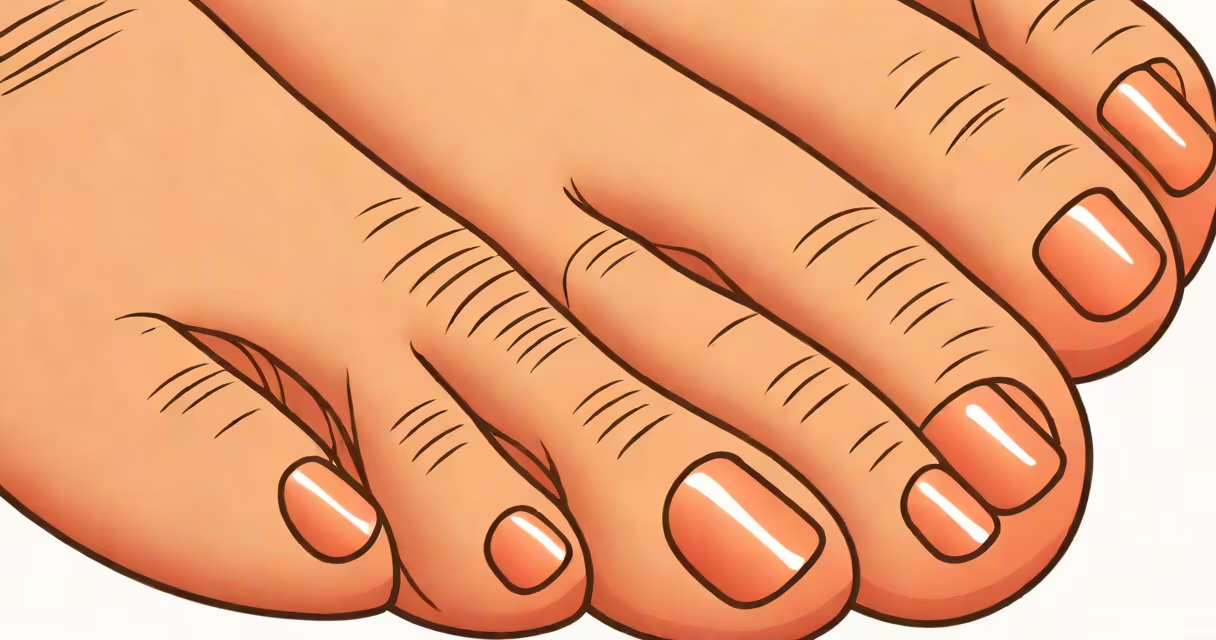
A big toe swollen around the nail typically results from an infection, injury, or ingrown toenail. The swelling occurs when fluid accumulates in the tissue surrounding the nail due to inflammation or bacterial invasion. This condition can cause pain, warmth, and sometimes pus.
Swelling around the toenail usually begins at the nail fold-the skin that wraps around the base and sides of the nail. When bacteria enter through a small cut or tear in the skin, they trigger an immune response. White blood cells rush to the area, causing redness, heat, and swelling. Left untreated, the infection can spread deeper into the soft tissue or even reach the bone.
The most common cause is a bacterial infection known as paronychia. Acute paronychia develops rapidly-within hours to days-and is often caused by Staphylococcus aureus. Chronic paronychia lasts longer than six weeks and is frequently linked to frequent moisture exposure, such as from wearing wet shoes or working with water. A 2021 study published in Journal of the American Academy of Dermatology found that 68% of chronic cases were associated with occupational hand or foot moisture exposure.
Swelling starts when the skin around the nail becomes irritated or damaged. Minor trauma-like tight shoes, improper trimming, or stubbing the toe-can create a small opening. Bacteria then enter and multiply. The body responds by increasing blood flow to the area, bringing immune cells and fluids. This leads to visible swelling and tenderness.
As the infection progresses, the nail may lift slightly from the nail bed. Pus can form under the skin or around the nail edge. In severe cases, the nail itself may become discolored or detached. The American Podiatric Medical Association notes that untreated infections can lead to osteomyelitis-a bone infection-in rare instances.
One non-obvious factor: people with diabetes are at higher risk. High blood sugar impairs circulation and weakens the immune system. Even a minor cut near the toenail can result in serious complications. For this reason, individuals with diabetes should monitor any swelling closely and seek care early.
There are two primary types of nail-related swelling:
| Type | Onset | Common Cause | Typical Symptoms |
|---|---|---|---|
| Acute paronychia | Hours to days | Bacterial infection (e.g., Staphylococcus) | Sudden redness, sharp pain, pus, swelling |
| Chronic paronychia | Weeks to months | Fungal infection or repeated moisture exposure | Slow swelling, nail thickening, skin peeling |
Ingrown toenails are another frequent cause. They occur when the nail grows into the skin instead of over it. This often happens when the nail is trimmed too short or curved. The pressure from the nail edge irritates the skin, leading to inflammation and swelling. According to the Mayo Clinic, about 20% of people experience an ingrown toenail at some point in life.
Other triggers include trauma from dropping something on the toe, wearing ill-fitting shoes, or using nail tools improperly. People who frequently walk barefoot in public showers or locker rooms are also at increased risk for fungal infections that cause swelling.
Swelling around the big toe nail is often mistaken for gout or arthritis. Gout causes sudden, intense joint pain-usually in the big toe-but the swelling is centered on the joint, not the nail fold. Arthritis may cause stiffness and swelling in the toe joints, but it doesn't typically involve redness or pus at the nail edge.
Another confusion: psoriatic arthritis can mimic nail infections. It causes nail pitting, thickening, and separation from the nail bed. However, the swelling is usually symmetrical and affects multiple toes. True infections are often unilateral-on one side only-and progress quickly.
I once treated a patient whose big toe was swollen and painful. He assumed it was gout because he'd had similar episodes before. But the swelling was localized to one side of the nail, and pus drained when I gently pressed the area. A culture confirmed Staphylococcus. After antibiotics and drainage, the swelling resolved in five days.
See a healthcare provider if swelling worsens within 24-48 hours, if fever develops, or if pus drains. These signs indicate a spreading infection. Individuals with diabetes, poor circulation, or weakened immunity should seek care immediately-even with mild symptoms.
Home care includes soaking the foot in warm salt water (1 teaspoon of salt per quart of water) for 15 minutes twice daily. Avoid picking or cutting the skin around the nail. Keep the area dry and wear open-toed shoes until swelling improves.
If home treatment fails after three days, or if the nail lifts or changes color, consult a podiatrist. They may drain fluid, prescribe antibiotics, or remove part of the nail. In recurrent cases, a minor surgical procedure called a partial nail avulsion may be recommended.
Swelling around the big toe nail is not normal. It indicates tissue damage or infection. Early intervention prevents complications. Address it promptly to avoid long-term pain or permanent nail deformity.