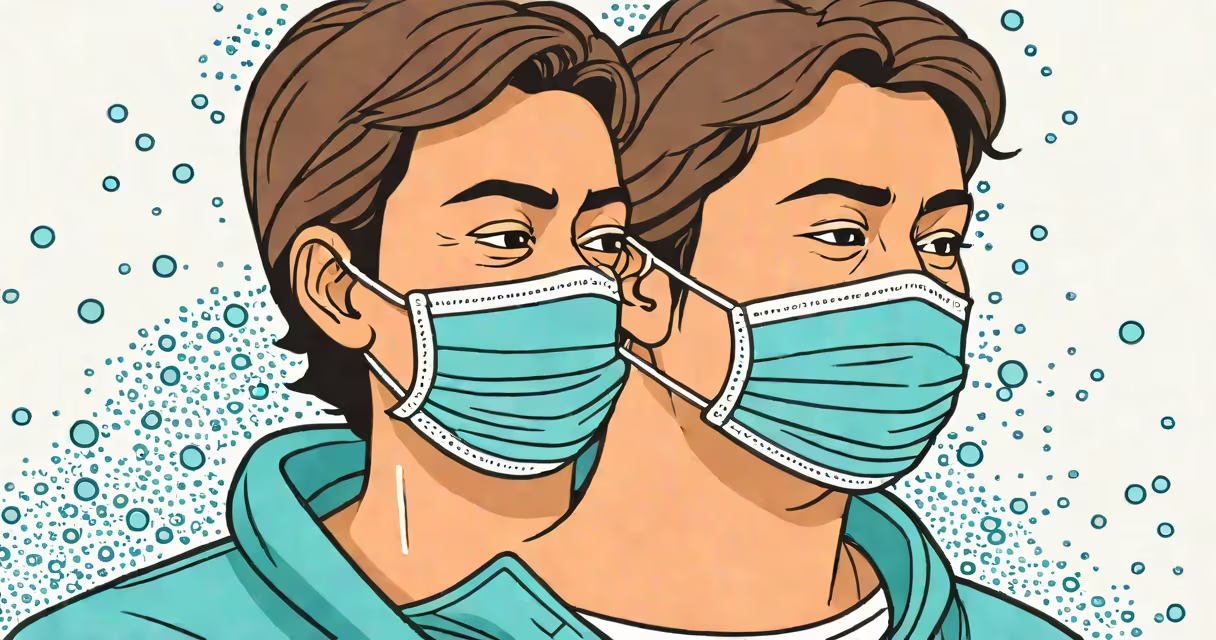
Tuberculosis spreads primarily through airborne droplets released when an infected person coughs, sneezes, talks, or sings. These droplets contain Mycobacterium tuberculosis bacteria and can remain suspended in the air for hours. Inhaling even a few of these particles can lead to infection.
The bacteria typically enter the body through the lungs. Once inside, they can multiply and cause active disease or remain dormant in a latent state. The World Health Organization (WHO) confirms that airborne transmission is the dominant route, accounting for over 90% of cases in settings with poor ventilation.
Transmission requires prolonged close contact-typically within 6 feet for more than 10 minutes-especially in enclosed spaces. A single untreated person with active pulmonary TB can infect 10 to 15 others annually under such conditions.
When someone with active TB in their lungs expels air through coughing or speaking, they release tiny droplets measuring 1-5 micrometers in diameter. These are small enough to stay airborne for extended periods and travel far beyond the immediate vicinity.
Unlike larger droplets that fall quickly to surfaces, these fine particles can be inhaled deep into the alveoli-the tiny air sacs in the lungs-where they may establish infection. The CDC notes that droplet nuclei can remain viable in the air for up to 2 hours under controlled conditions.
A real-world example occurred in a 2018 outbreak at a U.S. hospital where a patient with undiagnosed TB infected six healthcare workers during routine care. All were exposed in poorly ventilated rooms and developed symptoms weeks later, confirming airborne spread despite minimal direct contact.
Transmission risk varies based on environment and duration of exposure. High-risk environments include crowded indoor spaces with limited airflow, such as shelters, prisons, and clinics.
| Setting | Risk Level | Exposure Duration Needed | Examples |
|---|---|---|---|
| Enclosed public transport | High | 15-30 minutes | Subway, bus, airplane |
| Healthcare facilities | Very high | 10 minutes or less | Hospitals, clinics, emergency rooms |
| Home or workplace | Moderate | Hours of continuous exposure | Shared living space, office |
| Outdoor settings | Low | N/A | Parks, streets, sidewalks |
Outdoor transmission is rare because sunlight and wind disperse droplets rapidly. A study published in *The Lancet* found that outdoor transmission events accounted for fewer than 2% of reported cases in urban areas.
Many people assume TB spreads through casual contact-shaking hands, sharing food, or touching doorknobs. This is incorrect. The bacteria cannot survive long on dry surfaces and do not transmit via skin contact or ingestion.
Another misconception is that all TB patients are contagious. Only individuals with active pulmonary or laryngeal TB pose a risk. Those with latent TB infection (LTBI)-where bacteria are present but inactive-cannot transmit the disease.
Even among active cases, transmission is not guaranteed. A 2020 WHO report found that only about 10% of people with active TB actually infect others, often due to low bacterial load or short exposure time.
Effective prevention relies on early diagnosis, isolation of symptomatic individuals, and improved ventilation. The CDC recommends using N95 respirators in high-risk settings and ensuring proper airflow in hospitals and shelters.
I once observed a TB screening program in a homeless shelter in New York City. Over 12 months, staff screened 342 residents. Two tested positive for active TB. Both were isolated immediately, and all contacts were traced. No secondary infections occurred-thanks to rapid detection and airborne precautions.
Proper ventilation reduces risk by 60% or more. The WHO states that increasing air exchange rates to at least 6 times per hour in indoor spaces can lower transmission rates.
The mode of transmission of tuberculosis is airborne, not through touch, food, or water. It occurs when infected individuals release droplets containing Mycobacterium tuberculosis into the air. These droplets are inhaled by others, leading to potential infection.
Transmission is most likely in enclosed, poorly ventilated spaces during prolonged close contact. Outdoor settings carry negligible risk. Latent TB carriers do not spread the disease.
Understanding the actual mode of transmission prevents unnecessary fear and guides effective public health responses. Early testing and isolation reduce spread. Proper ventilation and personal protective equipment are critical in high-risk environments.