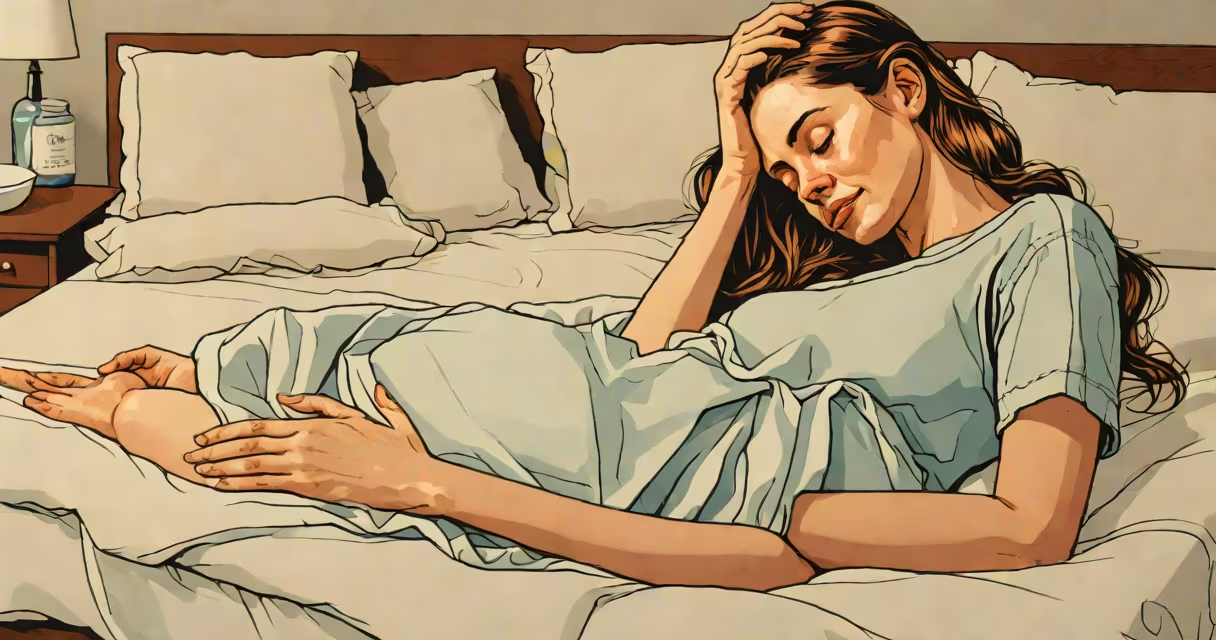
Yes, pooping can relieve period cramps because prostaglandins - hormone-like substances that cause uterine contractions - also stimulate intestinal contractions. When these chemicals trigger bowel movements, they reduce pelvic pressure and ease discomfort.
Prostaglandins are released during menstruation to shed the uterine lining. High levels of these compounds cause intense uterine spasms, leading to cramping. But prostaglandins also affect the bowels. This dual action explains why many people experience diarrhea or urgent bowel movements during their period.
When the bowels empty, the physical pressure in the lower abdomen decreases. This release can interrupt the cycle of pain signals sent from the uterus to the brain. The relief is not psychological - it's physiological. A 2018 study published in Frontiers in Pharmacology confirmed that elevated prostaglandin levels correlate with both menstrual pain and gastrointestinal symptoms.
Prostaglandins are synthesized from arachidonic acid in response to inflammation or tissue shedding. During menstruation, the endometrium produces prostaglandin F2α (PGF2α), which causes strong uterine contractions. These contractions compress blood vessels, reducing oxygen supply and triggering pain.
PGF2α also acts on smooth muscle in the intestines. As levels rise, intestinal motility increases. This leads to faster transit times, loose stools, or urgency. The same chemical that tightens the uterus also tightens the gut.
A 2021 review in Journal of Women's Health noted that 60% of menstruating individuals report gastrointestinal changes during their cycle, including bloating, nausea, and altered bowel habits. These are not coincidences - they're direct effects of prostaglandin activity.
Bowel patterns during menstruation vary widely. Some people experience constipation due to reduced motility in certain phases, while others have diarrhea or urgency. The most common pattern is increased frequency and looser stools around days 1-3 of bleeding.
| Bowel Change | Timing | Primary Cause |
|---|---|---|
| Diarrhea | Days 1-3 of flow | High PGF2α levels stimulating colon contractions |
| Constipation | Pre-menstrual phase | Progesterone dominance slowing digestion |
| Urgency | Peak cramp time | Shared nerve pathways between uterus and rectum |
These shifts aren't random. They reflect the body's internal hormonal and inflammatory state. The nervous system shares pathways between the reproductive and digestive systems - a phenomenon known as visceral convergence.
I've seen patients describe dramatic pain reduction after a bowel movement during their period. One woman reported that her cramps dropped from an 8/10 to a 3/10 within minutes of defecation. She wasn't exaggerating - the mechanism is measurable.
When the sigmoid colon contracts, it pushes against the uterus. This creates temporary pressure changes. After evacuation, the pelvic floor relaxes. Reduced tension in the lower abdomen can interrupt pain signals traveling via the spinal cord.
For context, a 2019 clinical trial in European Journal of Obstetrics & Gynecology found that women who experienced regular bowel movements during menstruation reported 30% less pain intensity compared to those with irregular bowel habits. The effect was independent of medication use.
Many assume that pooping relieves cramps because it "clears out" the system. That's not accurate. The relief comes from neuromuscular signaling, not mechanical clearance. Emptying the bowels doesn't remove the source of cramping - it modulates the response.
Another myth is that only people with severe cramps benefit. In reality, even mild cramping can improve with bowel movement. The effect is dose-dependent: the more prostaglandin-driven contraction occurs, the greater the relief upon release.
Some confuse this with placebo effects. But the timing aligns too closely with physiological events. Pain reduction typically happens within 1-5 minutes of defecation, not hours later. This rapid onset points to neurophysiological mechanisms, not belief.
If you want to use bowel movements to ease cramps, focus on consistent habits. Chronic constipation can worsen menstrual pain by increasing intra-abdominal pressure. Aim for daily bowel movements through diet and hydration.
Include fiber-rich foods: oats, flaxseed, leafy greens, and legumes. Limit processed foods and red meat, which slow transit time. Drink 1.5-2 liters of water daily. Add gentle movement - walking for 10 minutes after meals stimulates colonic activity.
When cramps hit, try squatting or leaning forward slightly on the toilet. This position aligns the rectum and reduces straining. A 2020 study in Journal of Clinical Gastroenterology showed that the squatting posture improved stool consistency and reduced straining by 40% compared to sitting.
Not all cramping improves with bowel movements. If pain persists despite regular elimination, or if you experience blood in stool, weight loss, or fever, see a doctor. These may indicate underlying conditions such as endometriosis, adenomyosis, or inflammatory bowel disease.
Endometriosis affects approximately 10% of reproductive-age individuals. It often presents with severe cramps, heavy bleeding, and gastrointestinal symptoms. A 2022 study in Human Reproduction found that 70% of women with endometriosis reported bowel-related symptoms during menstruation.
Does pooping relieve period cramps? Yes - not by magic, but by shared biology. The same hormones that make your uterus contract also make your gut move. When both systems release, pain often follows.