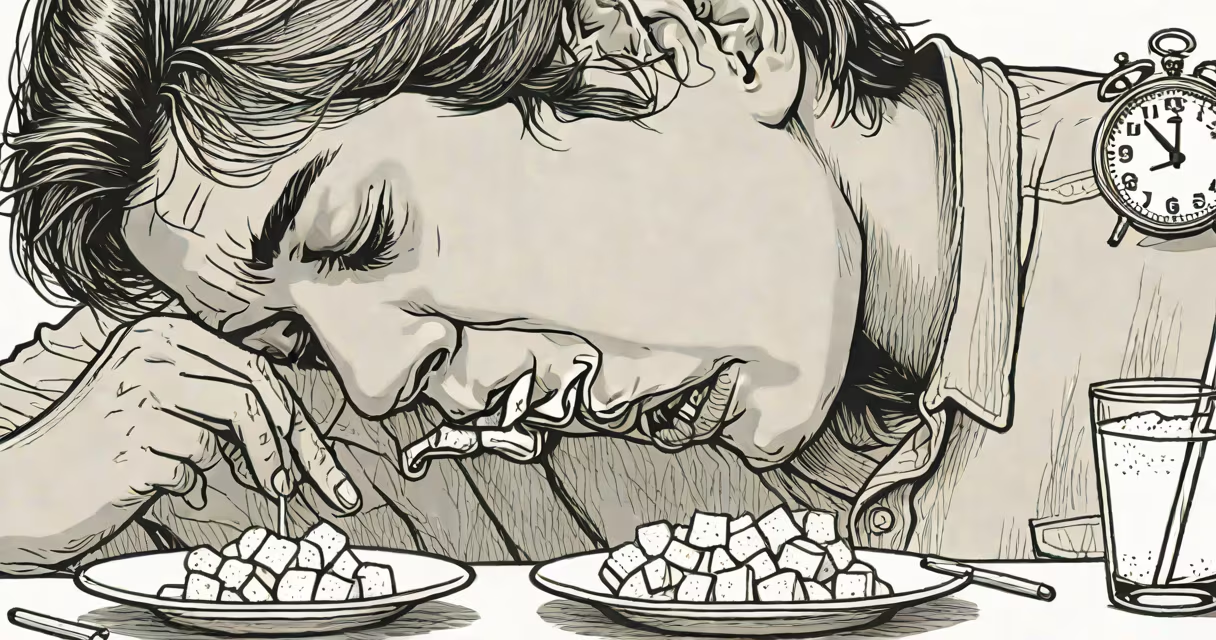
Eating sugar makes me tired because sudden increases in blood glucose trigger a sharp insulin release, which then drops blood sugar too low, causing fatigue, brain fog, and irritability. This cycle is known as a sugar crash and typically occurs 30 to 60 minutes after consuming high-glycemic foods.
Sugar enters the bloodstream quickly, especially in forms like sucrose, high-fructose corn syrup, or refined carbohydrates. The pancreas responds by releasing insulin to shuttle glucose into cells for energy. But when insulin overcorrects, blood sugar falls below normal levels-this hypoglycemia triggers physical and mental symptoms of tiredness.
The American Diabetes Association notes that blood sugar levels above 180 mg/dL after eating are common after high-sugar meals, and the subsequent drop can impair concentration and mood. A 2021 study published in Nutrients found that participants who consumed 75 grams of glucose experienced significant declines in cognitive performance within 45 minutes, correlating with self-reported fatigue.
When blood sugar rises rapidly, the body releases insulin to lower it. Insulin acts like a key, unlocking cells to absorb glucose. But excessive insulin can push glucose levels too far down, depriving the brain and muscles of fuel. The brain relies almost exclusively on glucose for energy, so even a small dip reduces alertness and mental clarity.
As blood sugar drops, the adrenal glands release cortisol and adrenaline to raise it. These stress hormones increase heart rate, cause jitteriness, and contribute to anxiety. The combination of low glucose and elevated stress hormones creates a state of exhaustion despite physiological arousal-commonly described as "wired but tired."
A 2019 clinical review in Frontiers in Endocrinology confirmed that postprandial hypoglycemia (low blood sugar after meals) is linked to fatigue, poor memory, and reduced work performance. Symptoms often appear between 1 and 3 hours after eating, especially after meals rich in simple sugars.
Not all sugars affect energy levels equally. The glycemic index (GI) ranks foods by how quickly they raise blood sugar. High-GI foods spike glucose rapidly; low-GI foods release energy slowly.
| Sugar Type | Glycemic Index | Effect on Energy |
|---|---|---|
| White table sugar (sucrose) | 65 | Fast spike, followed by crash within 45-60 minutes |
| High-fructose corn syrup (HFCS) | 85 | Extremely rapid rise; liver processes fructose differently, increasing fatigue risk |
| Glucose (dextrose) | 100 | Maximum spike; used in medical settings to treat hypoglycemia |
| Fructose (natural fruit sugar) | 19 | Slow absorption; less likely to cause crashes unless consumed in excess |
Processed foods with added sugars-like sodas, pastries, and flavored yogurts-often contain multiple forms of sugar, amplifying the effect. For example, a single can of soda contains 39 grams of sugar, mostly high-fructose corn syrup, which causes a blood sugar surge and crash within an hour.
Many people assume that feeling tired after eating is normal or simply due to digestion. But fatigue from sugar is not digestive-it's metabolic. Digestion takes several hours and doesn't cause immediate drowsiness. The timing of fatigue after eating-within 30 to 90 minutes-is a sign of blood sugar dysregulation.
Another myth is that all sugar is bad. Natural sugars in whole fruits come with fiber, water, and nutrients that slow absorption. Eating an apple, for example, raises blood sugar gradually and avoids crashes. A 2020 study in Journal of Nutrition showed that participants who ate whole fruit had stable energy levels compared to those who drank fruit juice, which caused rapid spikes and crashes.
Some confuse sugar-induced fatigue with sleep deprivation. While both cause drowsiness, sugar-related tiredness is often accompanied by restlessness, difficulty focusing, and cravings for more sweets-signs of hormonal imbalance rather than lack of sleep.
Consider a typical office worker who eats a muffin and drinks a latte with syrup at 10:30 AM. The muffin contains 35 grams of sugar, primarily sucrose and high-GI flour. The latte adds another 15 grams of sugar. Within 45 minutes, blood glucose rises sharply.
Insulin spikes to manage the load. By 11:30 AM, blood sugar drops below 70 mg/dL. The worker feels sluggish, eyes heavy, thoughts fuzzy. They reach for a second coffee or candy bar to regain energy-repeating the cycle. This pattern happens daily for millions of people, contributing to chronic fatigue and weight gain.
I've seen this firsthand during a nutrition workshop. One participant reported constant afternoon crashes. After switching from sugary breakfasts to eggs, avocado, and berries, her energy stabilized. She stopped relying on caffeine and reported clearer thinking by noon.
Managing blood sugar prevents the crash. Focus on balanced meals with protein, healthy fats, and complex carbohydrates. These slow glucose entry and reduce insulin demand.
For example, swap a granola bar (30g sugar) for a hard-boiled egg, a handful of almonds, and half an avocado. This combo provides sustained energy without spikes. Fiber-rich vegetables, legumes, and whole grains also support steady glucose levels.
If you suspect frequent sugar crashes, track your food and energy levels for three days. Note times of fatigue and what you ate. Share this log with a healthcare provider. Conditions like reactive hypoglycemia or insulin resistance may require medical evaluation.
Understanding that eating sugar makes me tired isn't about fear of sugar-it's about awareness of how it affects your body. Recognizing the pattern allows you to make choices that sustain energy, improve mental clarity, and support long-term health.