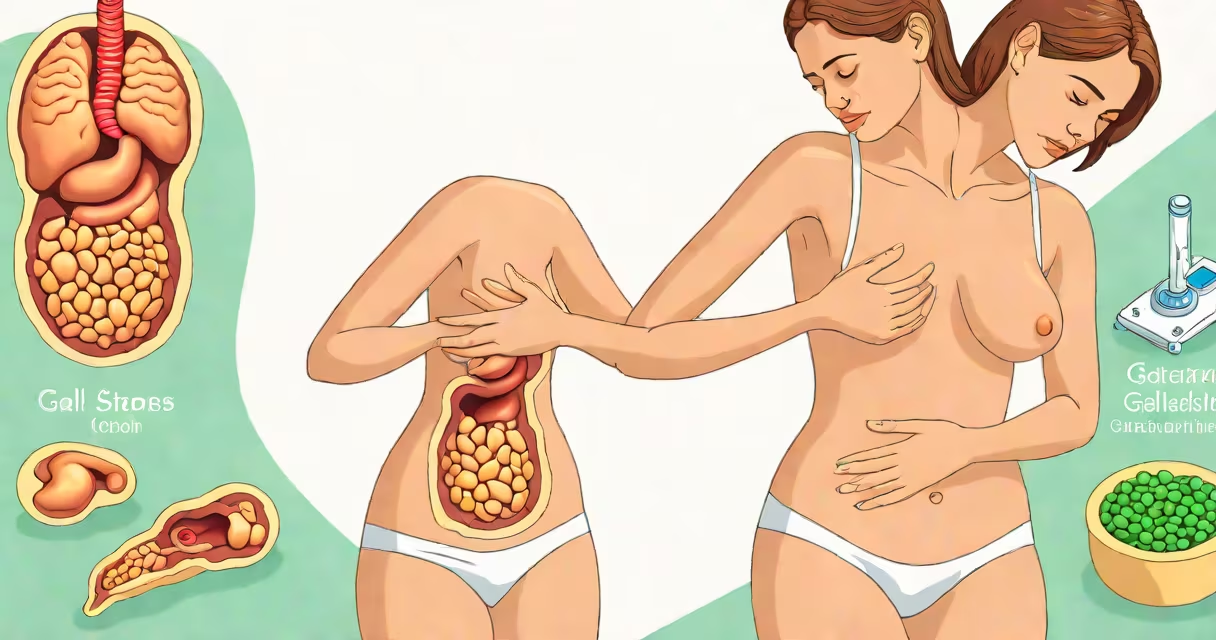
Gall stones and gas refer to the simultaneous presence of solid cholesterol or pigment deposits in the gallbladder and excess intestinal gas, often causing overlapping abdominal pain, bloating, and discomfort. These conditions are frequently linked through impaired digestion and bile flow disruption.
Gall stones form when bile components crystallize in the gallbladder. The most common type is cholesterol stones-about 80% of cases-formed when bile contains too much cholesterol. Pigment stones, making up the remaining 20%, arise from excess bilirubin, often in people with liver disease or hemolytic anemia. When these stones obstruct the cystic duct or common bile duct, they trigger biliary colic-a sharp, cramping pain in the upper right abdomen that may radiate to the back or shoulder.
Gas accumulation occurs when undigested food ferments in the colon or when swallowed air enters the gastrointestinal tract. Normally, gas passes through the intestines without issue. But when gallstone-related bile insufficiency impairs fat digestion, fatty foods remain in the gut longer, feeding bacteria that produce gas. This creates a feedback loop: poor fat breakdown → increased bacterial fermentation → excess gas → bloating and flatulence.
| Type | Composition | Prevalence | Common Triggers |
|---|---|---|---|
| Cholesterol stones | Cholesterol-rich | ~80% | Obesity, rapid weight loss, high-fat diets |
| Pigment stones | Bilirubin-based | ~20% | Liver cirrhosis, blood disorders like sickle cell anemia |
While both gall stones and gas can cause upper abdominal pain, they differ in origin and timing. Gall stone pain typically follows fatty meals and lasts 1-5 hours. Gas pain tends to come and go, worsens with lying down, and may improve with passing gas or bowel movement. A key distinction: gall stone attacks often occur at night or after dinner, whereas gas-related discomfort usually peaks during or shortly after eating.
One non-obvious point often missed: gall stones don't always cause gas. However, when they do, it's usually because the gallbladder fails to release bile properly. Without bile, fats aren't emulsified, leading to malabsorption. This undigested fat reaches the colon, where bacteria ferment it-producing hydrogen, methane, and carbon dioxide. The result? Increased gas volume and bloating. A 2021 study in Alimentary Pharmacology & Therapeutics found that patients with symptomatic gallstones were 2.3 times more likely to report bloating and flatus than controls, even after adjusting for diet.
For example, a 45-year-old woman reported severe bloating and gas after eating steak and potatoes. She had no prior history of gas issues. After an ultrasound revealed a 1.2 cm cholesterol gallstone, her doctor diagnosed biliary dyskinesia. After removing the gallbladder via laparoscopic cholecystectomy, her gas symptoms resolved within four weeks. Her case illustrates how gallstone disease can manifest primarily as gastrointestinal gas rather than classic pain.
Some people mistake gall stone episodes for irritable bowel syndrome (IBS) or acid reflux. Both conditions share symptoms like bloating and nausea. But gall stones cause pain localized to the upper right quadrant, often triggered by fatty meals. IBS pain is more diffuse and tied to bowel movements. Acid reflux causes heartburn and regurgitation-symptoms absent in pure gallstone disease.
When gall stones and gas coincide, dietary changes can reduce symptoms. Avoiding fried foods, high-fat dairy, and processed meats lowers the risk of triggering biliary spasms. Increasing fiber intake-especially soluble fiber like oats and psyllium-can also reduce gas formation by slowing fermentation. A 2019 clinical trial published in The American Journal of Clinical Nutrition showed that participants who consumed 25 grams of daily fiber had 30% fewer gas-related complaints than those on low-fiber diets.
Medical evaluation is essential. Persistent gas and right-sided pain warrant imaging. Ultrasound remains the gold standard for detecting gallstones, identifying them in over 95% of cases according to the American College of Radiology. If stones are confirmed and symptoms persist, surgical removal of the gallbladder-cholecystectomy-is the definitive treatment. Recovery time averages 7-10 days, with most patients returning to normal activity within two weeks.
For those seeking alternatives, herbal remedies like milk thistle and turmeric have shown modest effects in reducing inflammation and supporting bile flow. However, evidence is limited. A 2020 review in Phytomedicine noted that while some patients reported symptom relief, no randomized controlled trials confirmed long-term efficacy. Always consult a provider before using supplements.
After surgery, some patients report temporary increases in gas and diarrhea-known as post-cholecystectomy syndrome. This happens because bile flows continuously into the small intestine instead of being stored. The body adapts over time. Most people adjust within six months. If symptoms persist, further testing may be needed to rule out other causes like pancreatic insufficiency or small intestinal bacterial overgrowth (SIBO).
Understanding the connection between gall stones and gas helps clarify when symptoms require intervention. If you experience recurrent bloating, gas, and right upper quadrant pain after meals, especially with fatty foods, see a gastroenterologist. Early diagnosis prevents complications like cholangitis or pancreatitis.