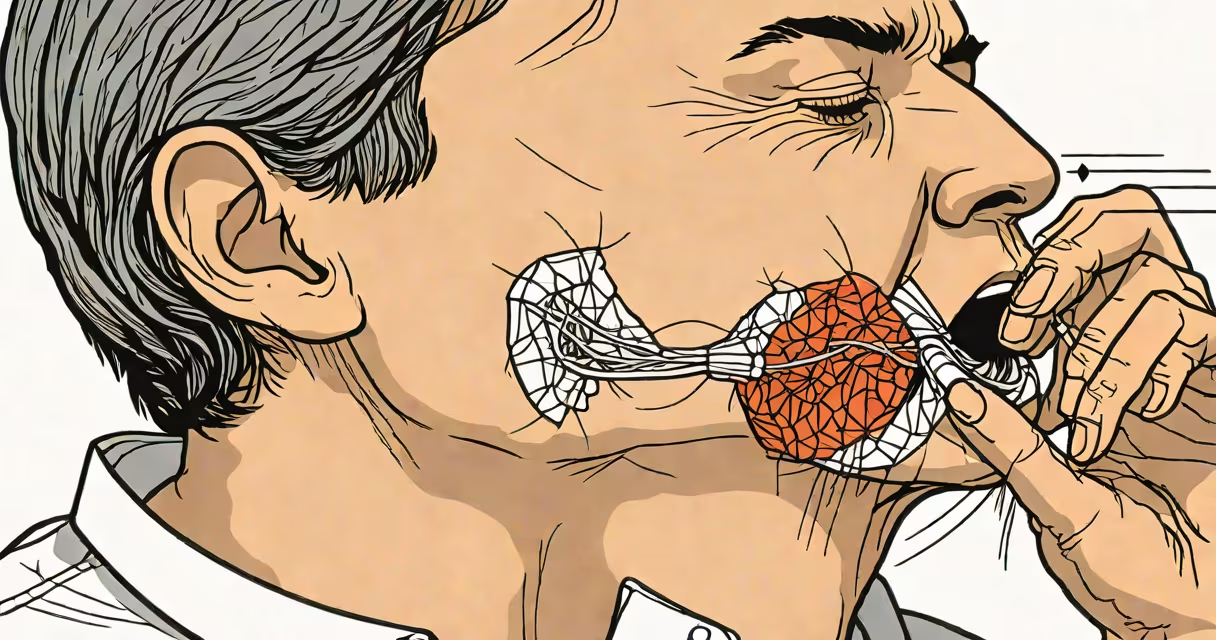
Sore throat is a symptom linked to multiple underlying conditions, most commonly viral infections like the common cold or influenza, bacterial infections such as strep throat, and inflammatory conditions including tonsillitis and mononucleosis. These illnesses affect the pharynx or larynx, causing pain, swelling, and difficulty swallowing.
Viruses account for roughly 70-80% of acute sore throats. The rhinovirus, responsible for the common cold, triggers inflammation in the upper respiratory tract. Influenza virus causes systemic symptoms alongside severe sore throat, often with fever and muscle aches. Epstein-Barr virus, which causes infectious mononucleosis, leads to prolonged sore throat lasting over two weeks, accompanied by fatigue and swollen lymph nodes. According to the Centers for Disease Control and Prevention (CDC), EBV is detected in about 30-50% of cases presenting with severe pharyngitis in adolescents and young adults.
Bacterial infections are less frequent but require prompt diagnosis. Group A Streptococcus (GAS), the bacterium behind strep throat, causes sudden onset of pain, redness, and white patches on the tonsils. Unlike viral sore throats, strep throat typically lacks cough and runny nose. The American Academy of Otolaryngology-Head and Neck Surgery (AAO-HNS) notes that untreated strep throat increases the risk of rheumatic fever and post-streptococcal glomerulonephritis, making testing essential.
The sore throat results from direct irritation or infection of the mucous membranes lining the throat. When pathogens invade, immune cells release cytokines like interleukin-1 and tumor necrosis factor-alpha, which increase blood flow and nerve sensitivity in the area. This leads to swelling, pain, and reduced mobility of the vocal cords and throat muscles.
For example, in strep throat, GAS bacteria produce toxins that damage epithelial cells and attract neutrophils, causing pus formation and tissue breakdown. In mononucleosis, the immune system's overreaction to EBV damages lymphoid tissues in the throat, leading to enlarged tonsils and persistent discomfort. Laryngitis, often viral, inflames the vocal cords, resulting in hoarseness and pain when speaking.
A key distinction: viral sore throats usually resolve within 7-10 days with rest and hydration. Bacterial cases may persist beyond this window and worsen without treatment. A rapid antigen test for strep throat detects GAS proteins in under 10 minutes, with 90% sensitivity and 95% specificity according to the CDC.
Conditions causing sore throat fall into several categories based on cause and duration:
| Type | Common Cause | Duration | Distinguishing Symptoms |
|---|---|---|---|
| Viral pharyngitis | Rhinovirus, adenovirus, influenza | 3-10 days | Cough, runny nose, low-grade fever |
| Strep throat | Group A Streptococcus | 5-7 days (untreated) | Sudden pain, white patches, no cough, high fever |
| Infectious mononucleosis | Epstein-Barr virus | 2-4 weeks | Severe fatigue, swollen glands, spleen enlargement |
| Tonsillitis | Bacteria or viruses | 1-2 weeks | Swollen tonsils, difficulty swallowing, bad breath |
| Laryngitis | Viruses, vocal strain | 1-2 weeks | Hoarseness, loss of voice, dry cough |
One non-obvious point: chronic sore throat lasting more than three weeks is rarely due to infection. Instead, it often stems from acid reflux, dry air, or prolonged vocal strain. A study published in *The Laryngoscope* found that 60% of patients with persistent sore throat had no evidence of infection upon endoscopy, pointing to environmental or behavioral triggers.
Sore throats are most common in winter months due to increased indoor crowding and lower humidity. Schools, offices, and public transit help transmission of airborne viruses. Strep throat peaks among children aged 5-15, with incidence rates reaching 10-20 cases per 1,000 children annually in the U.S., per AAO-HNS data.
Environmental factors play a role too. Dry air from heating systems dries out mucous membranes, increasing susceptibility. Smoking or secondhand smoke irritates the throat lining, raising the risk of inflammation. I once observed a classroom where five students developed sore throats within a week-three tested positive for strep, two had viral infections. The shared classroom environment and lack of ventilation were contributing factors.
Many people assume all sore throats require antibiotics. This is incorrect. Antibiotics treat bacterial infections but have no effect on viral causes. Overuse contributes to antibiotic resistance. The CDC reports that 30% of antibiotic prescriptions for sore throat are unnecessary, primarily due to misdiagnosis.
Another misconception: a sore throat always signals a serious illness. Most cases are mild and self-limiting. However, warning signs include difficulty breathing, drooling (indicating inability to swallow saliva), neck swelling, or a rash. These suggest complications like epiglottitis or scarlet fever and require immediate medical evaluation.
Some confuse sore throat with ear pain. Referred pain from the throat can radiate to the ears via the vagus nerve. This occurs in tonsillitis and sinus infections. If ear pain persists after throat symptoms resolve, further evaluation is needed.
Consult a healthcare provider if symptoms last longer than 10 days, worsen after initial improvement, or include high fever (>102°F), difficulty breathing, or visible pus. A rapid strep test or throat culture confirms bacterial infection. Treatment varies: strep throat requires antibiotics like penicillin or amoxicillin, while viral sore throats respond to symptomatic relief.
For persistent cases, imaging or endoscopy may be needed. A 2021 study in *JAMA Otolaryngology-Head & Neck Surgery* found that 15% of patients with chronic sore throat had undiagnosed gastroesophageal reflux disease (GERD), which irritates the throat lining with stomach acid.
Recognizing the specific illness behind a sore throat enables targeted care. Viral infections dominate, but bacterial causes like strep throat demand accurate diagnosis. Persistent symptoms require evaluation to rule out rare but serious conditions. Always base decisions on clinical findings, not assumptions.