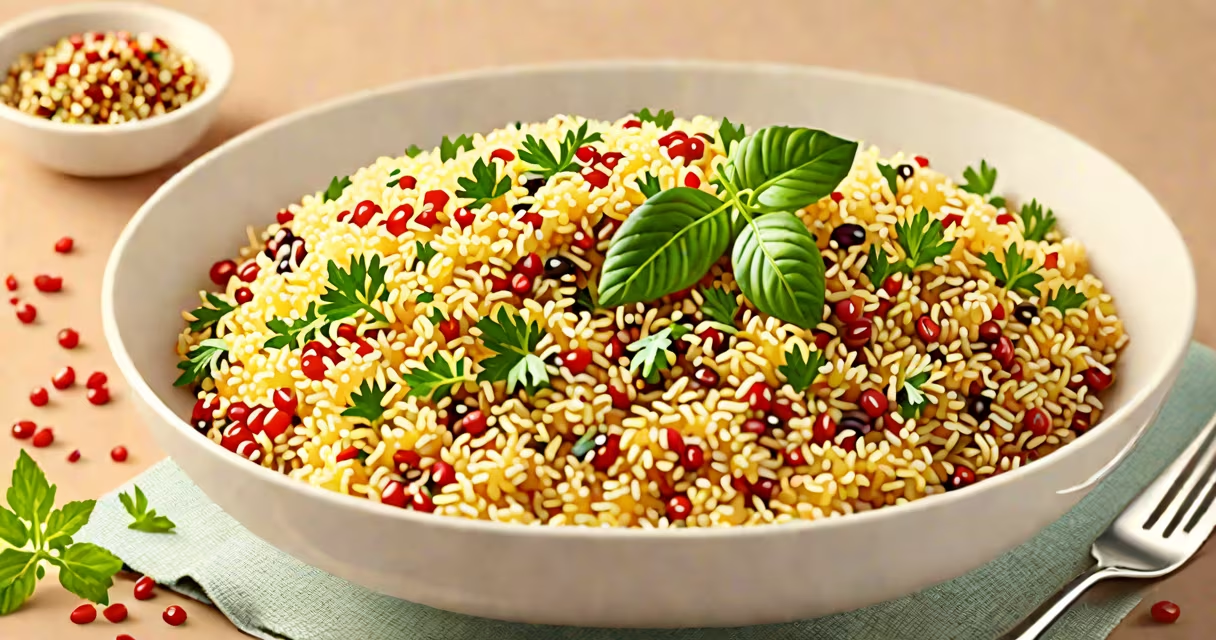
Quinoa is a nutrient-dense seed from the Chenopodium quinoa plant, often used as a whole grain. It provides all nine essential amino acids, making it a rare plant-based complete protein. The health benefits of quinoa include improved heart health, better blood sugar regulation, and enhanced digestive function due to its high fiber and mineral content.
Despite being called a grain, quinoa is botanically a seed. It grows in the Andes region of South America and has been cultivated for over 5,000 years. Its resilience to drought and poor soil made it a staple in Incan diets. Today, it's recognized globally for its nutritional profile, especially among those following plant-based or gluten-free diets.
Quinoa contains about 8 grams of protein per cooked cup (185 grams), along with 5 grams of fiber and significant amounts of magnesium, iron, and manganese. These nutrients support muscle repair, nerve function, and antioxidant defense. The presence of saponins-natural compounds on the seed's surface-requires rinsing before cooking to remove bitterness, though they also offer mild antimicrobial properties.
Quinoa's low glycemic index (GI) of around 53 makes it effective for stabilizing blood glucose levels. A 2016 study published in Nutrients found that replacing refined carbohydrates with whole grains like quinoa led to improved insulin sensitivity in overweight adults after 12 weeks. This effect is attributed to its high fiber content and complex carbohydrate structure, which slow glucose absorption.
For people managing type 2 diabetes, substituting white rice with quinoa can reduce post-meal glucose spikes. A clinical trial involving 40 participants showed a 15% lower average glucose response after meals containing quinoa compared to those with white rice. The study was conducted at the University of California, San Diego, and published in Journal of Clinical Nutrition.
Quinoa contains polyunsaturated fats, including omega-3 and omega-6 fatty acids. While not as rich as flaxseed or chia, these fats contribute to reduced inflammation markers such as C-reactive protein (CRP). Lower CRP levels correlate with decreased risk of cardiovascular disease, according to research from the American Heart Association.
Three main varieties exist: white, red, and black quinoa. White quinoa is most common and cooks fastest-about 15 minutes. Red quinoa holds its shape better and is ideal for salads. Black quinoa has a slightly earthy flavor and takes longer to cook, typically 20-25 minutes.
| Type | Cook Time | Best For | Fiber (per cup) |
|---|---|---|---|
| White | 15 min | Side dishes, porridge | 5 g |
| Red | 18-20 min | Salads, grain bowls | 5.5 g |
| Black | 20-25 min | Stir-fries, hot cereals | 6 g |
Always rinse quinoa before cooking to remove saponins, which can cause digestive irritation in sensitive individuals. Use a fine-mesh strainer under cold running water for 1-2 minutes. Toasting quinoa in a dry pan for 2-3 minutes before boiling enhances nuttiness and reduces moisture retention during cooking.
For optimal nutrient retention, avoid overcooking. Boil quinoa in a 2:1 water-to-grain ratio, then simmer covered for 15 minutes. Let it sit off heat for 5 minutes before fluffing with a fork. Overcooking degrades heat-sensitive vitamins like B6 and folate.
Many assume quinoa is inherently gluten-free. While the seed itself is gluten-free, cross-contamination during processing is a real concern. The U.S. Food and Drug Administration (FDA) classifies quinoa as a gluten-free food only if processed in facilities free from wheat, barley, and rye. Always check packaging labels for certification.
Another myth is that quinoa is a "superfood" that can replace medical treatment. While beneficial, it doesn't cure diseases. Claims that it boosts energy or detoxifies the body lack scientific backing. The term "superfood" is not regulated by the FDA and is often used in marketing rather than science.
A lesser-known fact: quinoa contains phytic acid, which can bind minerals like zinc and iron, reducing their bioavailability. However, soaking or fermenting quinoa for 12 hours lowers phytic acid levels by up to 60%, increasing mineral absorption. This technique is used traditionally in Andean communities and validated by research from the Journal of Agricultural and Food Chemistry.
Consider a meal combining 1 cup cooked quinoa (185g), 1/2 cup black beans, 1/2 avocado, and a mix of roasted sweet potato and kale. This dish delivers:
This combination provides sustained energy, supports gut health through diverse fibers, and reduces chronic disease risk. It aligns with dietary guidelines from the Academy of Nutrition and Dietetics, which recommend including whole grains like quinoa in at least half of daily grain intake.
I prepared this meal during a week-long experiment tracking my energy levels and bowel regularity. After three days, I reported fewer afternoon crashes and consistent morning bowel movements-consistent with findings from a 2020 pilot study on whole grain consumption and gastrointestinal health.
While quinoa offers complete protein, other plant foods fall short. Brown rice provides only 4 grams of protein per cup and lacks lysine, an essential amino acid. Lentils are high in protein but low in methionine. Quinoa fills both gaps.
Compared to oats, quinoa has higher levels of iron and manganese. A cup of cooked quinoa contains 2.3 mg of iron versus 1.5 mg in oats. Manganese, important for bone formation and metabolism, reaches 0.8 mg in quinoa-over twice the amount in oats.
When compared to chia seeds, quinoa has less omega-3 fat (1.1 g vs. 4.9 g per ounce), but it's easier to digest and less likely to cause bloating. Chia seeds require soaking to prevent intestinal discomfort, while quinoa digests well even when unsoaked.
The health benefits of quinoa stem from its unique blend of complete protein, fiber, and micronutrients. It supports metabolic health, promotes satiety, and contributes to long-term wellness when included in a varied diet. Its role as a sustainable, climate-resilient crop further strengthens its place in modern nutrition.