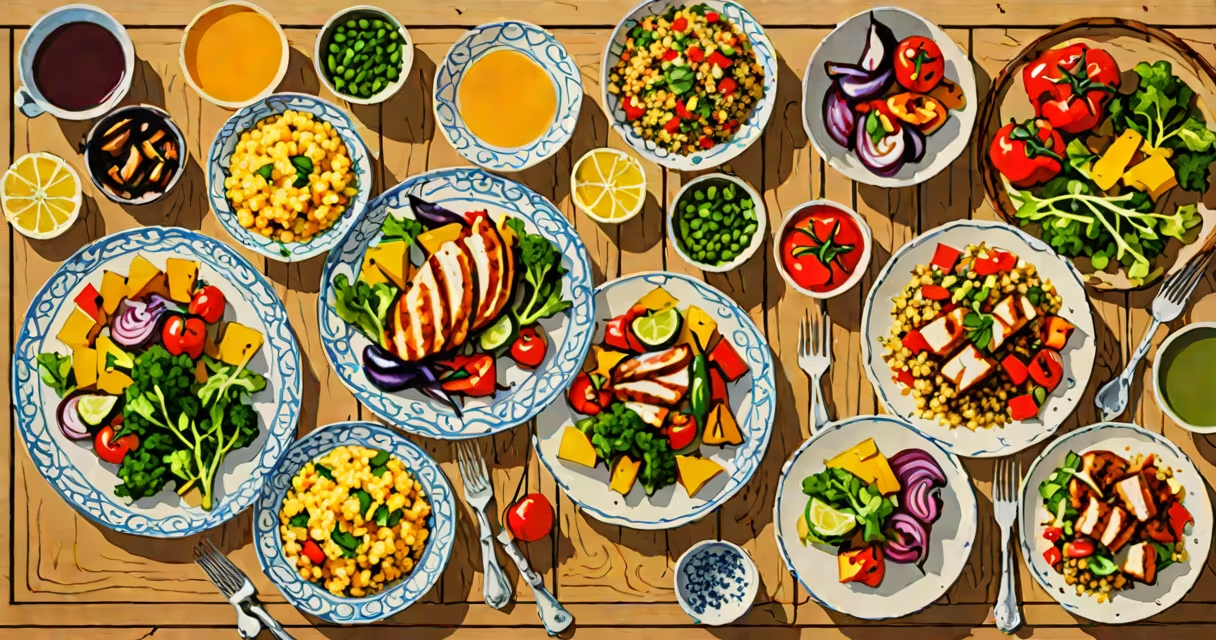
Healthy simple family meals are balanced, nutrient-dense dinners prepared in 30 minutes or less using accessible ingredients and minimal prep. They prioritize whole foods, lean protein, vegetables, and complex carbohydrates while avoiding processed additives. These meals serve as consistent, practical solutions for families seeking nourishing food without sacrificing time or taste.
These meals function through strategic ingredient selection and efficient cooking methods. A typical dish includes a protein source such as skinless chicken breast, canned tuna, or tofu; a serving of whole grains like brown rice or farro; and two or more vegetable varieties-steamed broccoli, sautéed bell peppers, or raw shredded carrots. Cooking techniques focus on speed: sheet-pan roasting, stir-frying, or one-pot simmering reduce cleanup and time. Meals are designed to serve four people, with portions scaled to meet daily recommended intake levels for children and adults.
According to the Academy of Nutrition and Dietetics, families who eat regular home-cooked meals report better dietary quality and lower rates of obesity and type 2 diabetes compared to those relying on takeout or packaged foods. The USDA's MyPlate guidelines emphasize filling half the plate with fruits and vegetables, one-quarter with protein, and one-quarter with grains-principles embedded in every healthy simple family meal.
Each healthy simple family meal follows a predictable structure: protein + complex carb + vegetables + healthy fat. This balance stabilizes blood sugar, supports sustained energy, and promotes satiety. For example, a meal of baked salmon, mashed sweet potatoes, steamed green beans, and a drizzle of olive oil provides omega-3 fatty acids, fiber, vitamin C, and monounsaturated fats-all within 25 minutes of hands-on time.
Meal planning reduces decision fatigue. Families often prepare components in advance: cook a batch of quinoa on Sunday, chop vegetables for the week, or marinate proteins overnight. When dinnertime arrives, assembly takes five minutes. This system prevents last-minute takeout and ensures consistent nutrition even during high-demand weeks.
One challenge lies in accommodating picky eaters. A workaround is offering the same base ingredients in multiple forms-grilled chicken strips, meatballs, or shredded chicken-so children can choose their preferred texture. Another method is presenting food in fun shapes using cookie cutters or arranging plates creatively to encourage engagement.
Healthy simple family meals fall into three categories based on preparation complexity and ingredient availability:
| Type | Time Required | Key Ingredients | Example |
|---|---|---|---|
| One-Pot | Under 25 minutes | Whole grains, legumes, fresh herbs | Chicken and lentil stew with diced tomatoes and spinach |
| Sheet-Pan | 25-35 minutes | Protein, root vegetables, olive oil | Baked salmon with roasted sweet potatoes and Brussels sprouts |
| Stir-Fry | 15-20 minutes | Lean protein, frozen mixed vegetables, low-sodium soy sauce | Tofu and broccoli stir-fry with brown rice |
Sheet-pan meals are especially effective for families with limited kitchen space. All ingredients go on one tray, reducing scrubbing and minimizing cross-contamination risks. One study published in the Journal of the Academy of Nutrition and Dietetics found that households using sheet-pan cooking reported a 40% reduction in weekday meal prep time compared to traditional multi-pot methods.
A common misconception is that healthy meals require exotic ingredients or elaborate steps. In reality, many successful recipes rely on pantry staples: canned beans, frozen vegetables, dried spices, and shelf-stable oils. A single recipe-black bean and corn salad with lime dressing-uses only five ingredients and takes 10 minutes to assemble. It delivers 12 grams of fiber and 15 grams of plant-based protein per serving.
Healthy simple family meals are most frequently used in homes with children aged 5 to 12, dual-income parents, and caregivers managing chronic health conditions. They support consistent eating patterns, which research shows improve long-term metabolic health. The American Heart Association recommends preparing at least four home-cooked meals per week to reduce sodium and saturated fat intake.
They're also used in school wellness programs and community food initiatives. In a pilot program in Portland, Oregon, families received weekly meal kits containing pre-portioned ingredients for five healthy simple family meals. After six months, participating families reported a 30% increase in vegetable consumption and a 22% drop in fast-food spending.
One non-obvious fact: meals designed for simplicity often outperform gourmet options in nutritional retention. A 2022 study from the University of California, Davis, showed that boiling or steaming vegetables preserved up to 90% of water-soluble vitamins (like B6 and folate), whereas prolonged frying or microwaving reduced levels by 35-50%. Simple cooking methods maintain nutrient integrity better than complex ones.
Many assume healthy simple family meals are bland or repetitive. This is incorrect. Flavor comes from herbs, citrus zest, fermented sauces, and spice blends-not salt or sugar. A stir-fry with ginger, garlic, and red pepper flakes tastes bold and satisfying without exceeding 300 mg of sodium per serving.
Another error is equating "simple" with "low-calorie." Not all healthy meals are low-energy. A meal of avocado, chickpeas, and kale with lemon-tahini dressing contains 480 calories but offers balanced macronutrients and high fiber. It keeps children full longer than a low-fat pasta dish with tomato sauce.
I once prepared a sheet-pan dinner for my family using ground turkey, zucchini, mushrooms, and red onion. I used only olive oil, oregano, and garlic powder. The kids ate it without complaint. That night, my daughter asked, "Can we have this again tomorrow?" It wasn't fancy-but it was nourishing, fast, and shared.
Healthy simple family meals are not about perfection. They are about consistency, accessibility, and care. With clear structure and practical execution, they deliver lasting benefits across generations.