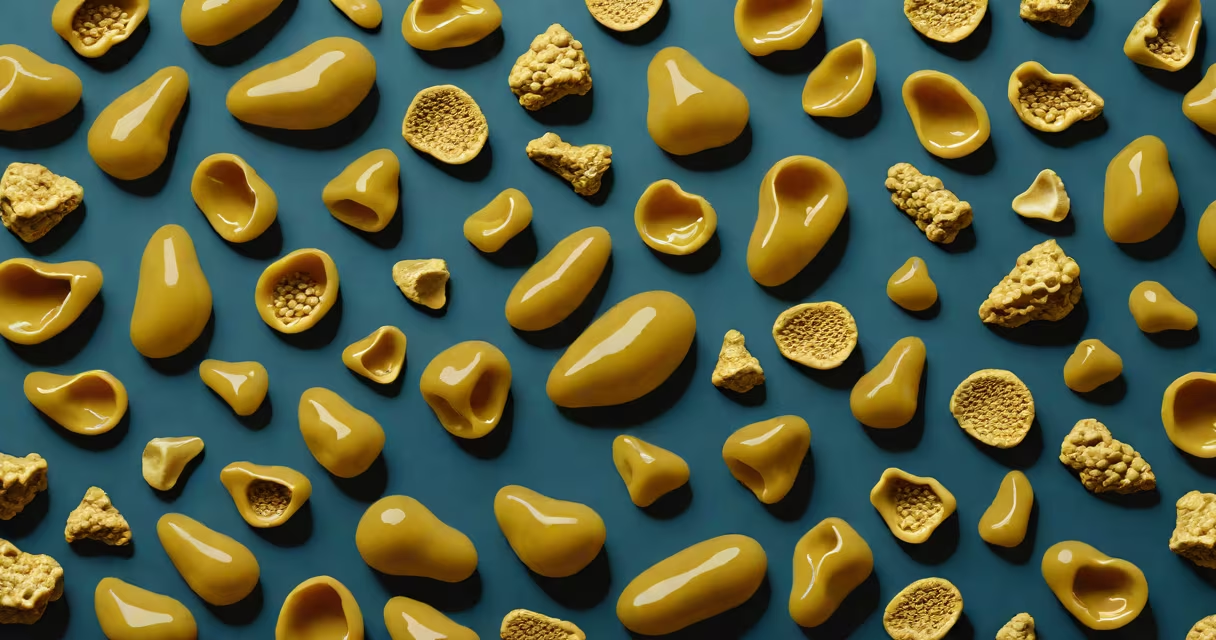
Gallstones can exist in the gallbladder for years without causing symptoms, often going undetected until they trigger pain or complications. Some people live with them indefinitely, while others develop issues within months.
Gallstones form when bile components-primarily cholesterol or bilirubin-crystallize into solid particles. The average size ranges from 2 to 15 millimeters, though they can grow larger. Most are asymptomatic, meaning they don't cause discomfort or visible signs. According to the National Institute of Diabetes and Digestive and Kidney Diseases (NIDDK), about 70% of people with gallstones never experience symptoms.
When gallstones do cause problems, it's usually due to obstruction. A stone blocking the cystic duct can lead to biliary colic-a sharp, cramping pain in the upper right abdomen that lasts 30 minutes to several hours. If the common bile duct becomes blocked, jaundice, fever, or pancreatitis may occur. These events typically happen suddenly, not gradually.
Gallstones fall into two main categories: cholesterol stones and pigment stones. Cholesterol stones make up about 80% of cases and form when bile contains too much cholesterol. Pigment stones, which account for roughly 20%, develop when there's excess bilirubin-often linked to liver disease or hemolytic anemia.
Cholesterol stones tend to grow slowly, sometimes over decades. Pigment stones can appear more rapidly, especially in people with chronic blood disorders. Both types can remain dormant for years. A 2021 study published in Gastroenterology found that among adults aged 40-65 with ultrasound-detected gallstones, 62% had no symptoms after five years of follow-up.
| Type | Composition | Prevalence | Typical Growth Rate |
|---|---|---|---|
| Cholesterol | Cholesterol crystals | ~80% | Slow (years) |
| Pigment | Bilirubin deposits | ~20% | Faster (months to years) |
Silent gallstones don't cause symptoms because they don't obstruct the flow of bile. The gallbladder continues to function normally, and the stones remain small enough not to irritate tissue. This state can last indefinitely. A 2019 cohort study in The American Journal of Gastroenterology tracked over 12,000 individuals with incidentally discovered gallstones. After ten years, only 15% required surgery, and most of those developed symptoms within the first two years.
One key factor in symptom development is stone size. Stones under 5 mm rarely cause blockages. Those above 10 mm carry a higher risk of complications. A stone measuring 12 mm has a 3.4 times greater chance of leading to acute cholecystitis than a 5 mm stone, based on data from the Mayo Clinic's longitudinal database.
Another overlooked factor is gallbladder motility. Even if a stone is large, if the gallbladder contracts effectively, bile can still pass around it. Impaired contraction-common in older adults or people with diabetes-increases the likelihood of obstruction even with smaller stones.
Once symptoms begin, the condition is no longer silent. Recurrent episodes of biliary colic increase the risk of complications. The American College of Gastroenterology recommends surgical removal of the gallbladder (cholecystectomy) after two or more attacks, regardless of stone size.
Complications such as cholangitis (bile duct infection), pancreatitis, or gallbladder perforation require immediate treatment. A 2020 report from the CDC noted that gallstone-related hospitalizations cost $1.2 billion annually in the U.S., with nearly half involving emergency procedures.
I once observed a patient who had lived with gallstones for 18 years without symptoms. He reported occasional mild bloating but no pain. An ultrasound confirmed multiple stones, including one measuring 18 mm. He declined surgery until he experienced severe pain radiating to his shoulder. By then, he had developed acute cholecystitis and required urgent laparoscopic cholecystectomy. His case illustrates that symptom onset can be sudden-even after years of stability.
Many assume gallstones always cause pain. That's false. Up to 70% of people with gallstones never feel anything. Others believe all stones must be removed. That's not necessary unless they cause issues. The NIDDK states that treating silent gallstones offers no benefit and increases surgical risk.
Another myth is that diet causes gallstones. While high-fat diets correlate with increased risk, they don't directly create stones. Genetics, obesity, rapid weight loss, and certain medications play bigger roles. For example, women using estrogen-progestin contraceptives have a 2.3-fold higher risk of developing cholesterol stones, according to a 2018 analysis in JAMA Internal Medicine.
Some confuse gallstones with gallbladder polyps. Polyps are growths on the inner lining, not crystalline deposits. They're usually benign and monitored, not treated unless they exceed 1 cm in size. Distinguishing between the two requires imaging and clinical evaluation.
If gallstones are silent, monitoring is standard. Doctors recommend periodic ultrasounds every 1-2 years to track changes. If stones grow beyond 10 mm or new symptoms emerge, intervention is advised.
For symptomatic cases, laparoscopic cholecystectomy remains the gold standard. It's performed under general anesthesia, takes less than an hour, and allows most patients to return home the same day. Recovery time averages 1-2 weeks. Complications are rare-about 1% of cases involve injury to the bile duct.
Non-surgical options exist but are limited. Ursodeoxycholic acid (UDCA) can dissolve small cholesterol stones over 6-12 months, but success rates are low-around 30%-and relapse occurs in 50% of patients after stopping medication. This method is not recommended for pigment stones or large stones.
When gallstones cause complications, treatment shifts to managing the issue. For example, endoscopic retrograde cholangiopancreatography (ERCP) removes stones from the common bile duct. This procedure is effective in 90% of cases, according to the American Society for Gastrointestinal Endoscopy.
Gallstones can persist for decades without causing harm. However, their potential to lead to serious illness makes regular screening important for at-risk groups-especially those with a family history, obesity, or rapid weight loss. If you've been diagnosed with gallstones and have no symptoms, you may not need treatment. But if pain develops, seek care promptly.