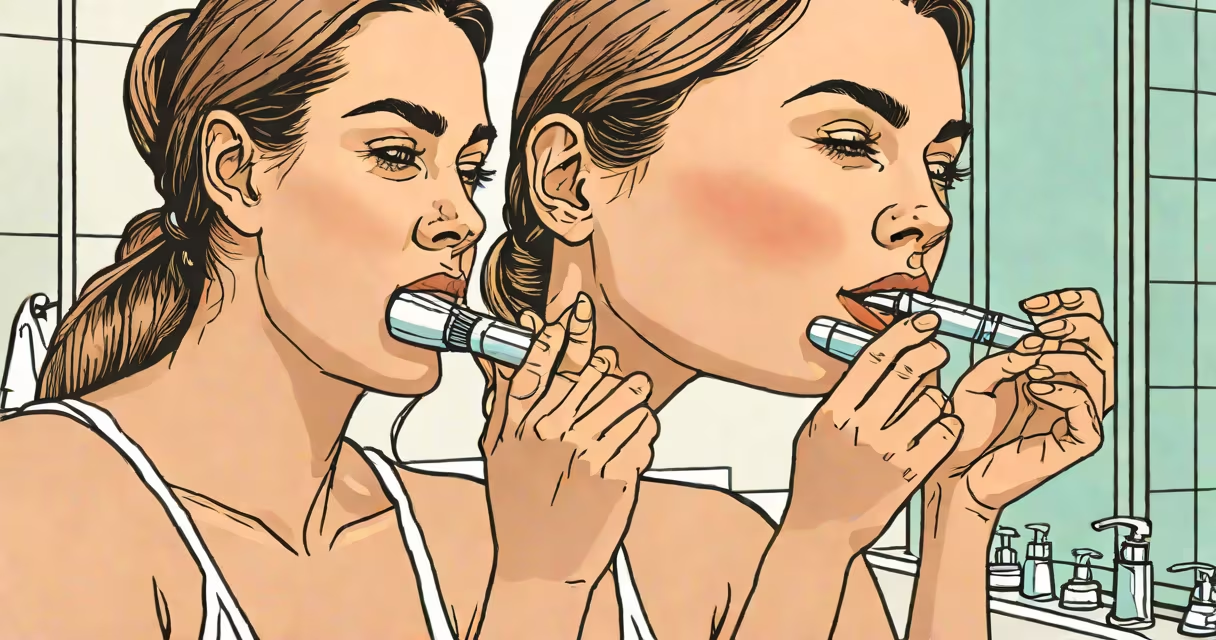
PCOS chin hair results from elevated androgens disrupting the hair cycle, causing coarse, dark facial hair to grow in places typically seen in men. This condition affects up to 70% of people with polycystic ovary syndrome, according to the Endocrine Society. Long-term management requires addressing both hormonal imbalance and visible hair.
Androgen excess stimulates terminal hair follicles in the face, especially along the jawline and upper lip. These hairs grow longer, darker, and thicker than vellus hairs. The process begins during puberty but often worsens with insulin resistance, a common feature in PCOS. Without intervention, hair may regrow quickly after removal.
Effective strategies combine medical treatment, hair removal techniques, and lifestyle changes. The goal is not just temporary removal but sustained reduction through hormonal regulation. A 2022 study in Journal of Clinical Endocrinology & Metabolism found that combining oral contraceptives with laser therapy reduced facial hair by 65% over 12 months compared to either method alone.
Polycystic ovary syndrome disrupts ovarian function, leading to increased production of androgens like testosterone. These hormones bind to receptors in hair follicles, shifting them from the resting phase to the active growth phase. The result is prolonged anagen (growth) phases in areas sensitive to androgens, including the chin and upper lip.
Insulin resistance exacerbates the issue. High insulin levels stimulate theca cells in the ovaries to produce more androgens. A 2021 review in Endocrine Reviews confirmed that insulin resistance correlates strongly with hirsutism severity in PCOS patients, independent of BMI.
Not all facial hair is due to PCOS. Conditions like congenital adrenal hyperplasia or idiopathic hirsutism can mimic PCOS-related hair growth. A blood test measuring free testosterone, DHEAS, and SHBG helps differentiate. The Endocrine Society recommends testing if hair growth appears suddenly or progresses rapidly.
Medical therapies aim to lower androgen levels or block their effects. Oral contraceptives such as ethinyl estradiol/drospirenone (Yaz) suppress ovarian androgen production and increase sex hormone-binding globulin, reducing free testosterone. Studies show a 30-50% reduction in facial hair after six months of consistent use.
Anti-androgens like spironolactone are prescribed off-label for PCOS. They block androgen receptors in the skin and hair follicles. A 2020 randomized controlled trial published in Obstetrics & Gynecology reported a 45% decrease in facial hair density after 12 weeks of daily 100 mg spironolactone, with minimal side effects.
Laser hair removal targets melanin in the hair shaft. It's most effective on dark, coarse hair. Multiple sessions (6-8) spaced four to six weeks apart are needed. Results last years, though maintenance sessions may be required. IPL (intense pulsed light) is less effective on lighter hair and may cause burns in pigmented skin.
| Treatment Type | Effectiveness (Hair Reduction) | Duration | Best For |
|---|---|---|---|
| Oral contraceptives | 30-50% | Months to years | Hormonal regulation, acne control |
| Spironolactone | 40-60% | 6-12 months | Androgen blockade, fluid retention relief |
| Laser hair removal | 60-80% | Years to permanent | Long-term reduction, visible results |
| Electrolysis | 80-90% | Potentially permanent | Small areas, all hair colors |
At-home devices like the Tria 4X laser claim clinical results comparable to professional treatments. A 2023 study in Dermatologic Surgery showed 55% hair reduction after 12 months of biweekly use. However, results depend on consistent application and correct settings based on skin and hair color.
Many assume waxing or tweezing provides long-term solutions. These methods remove hair at the surface but do not affect follicle activity. Repeated plucking can inflame follicles, leading to ingrown hairs or scarring. Waxing may even stimulate new hair growth in some individuals due to trauma-induced inflammation.
Another misconception is that natural remedies like turmeric or spearmint tea eliminate PCOS chin hair. While spearmint tea shows mild anti-androgenic effects in small trials, a 2019 double-blind study in Phytotherapy Research found only a 15% reduction in facial hair over 8 weeks-insufficient for meaningful cosmetic improvement.
Some people believe that removing hair prevents further growth. This is false. Hair removal doesn't alter the underlying hormonal environment. Without treating the root cause, hair will regrow at the same rate.
I treated my PCOS chin hair with a combination of prescription and home care. After a blood test confirmed high free testosterone, my doctor prescribed drospirenone/ethinyl estradiol. I started using a home laser device twice a week after the first month of medication. Over six months, I saw noticeable thinning. By year one, I had only occasional fine hairs needing touch-up.
My dermatologist emphasized that laser works best on dark hair against fair skin. I avoided using it on tanned or sun-exposed skin to prevent burns. I also used a topical cream containing eflornithine (Vaniqa) to slow regrowth between sessions. It reduced new hair by 40% in 12 weeks, according to the manufacturer's clinical trials.
Consistency was key. Skipping treatments led to faster regrowth. I tracked progress with monthly photos and adjusted settings as hair faded. The process took time, but the results were stable and sustainable.
Consult a healthcare provider if chin hair appears suddenly, spreads beyond the jawline, or is accompanied by irregular periods, weight gain, or acne. These signs suggest hormonal imbalance requiring evaluation.
Start with a primary care physician or gynecologist. They may refer you to an endocrinologist if initial tests show abnormal hormone levels. Blood work should include total and free testosterone, DHEAS, prolactin, and thyroid function tests to rule out other causes.
For immediate hair removal, see a licensed dermatologist or certified laser technician. Avoid unregulated clinics offering "permanent" results with no follow-up. Always ask about credentials and before-and-after photos.
Managing PCOS chin hair isn't about achieving perfect skin-it's about reclaiming control over your body. The most successful outcomes come from treating the condition holistically, not just the appearance.