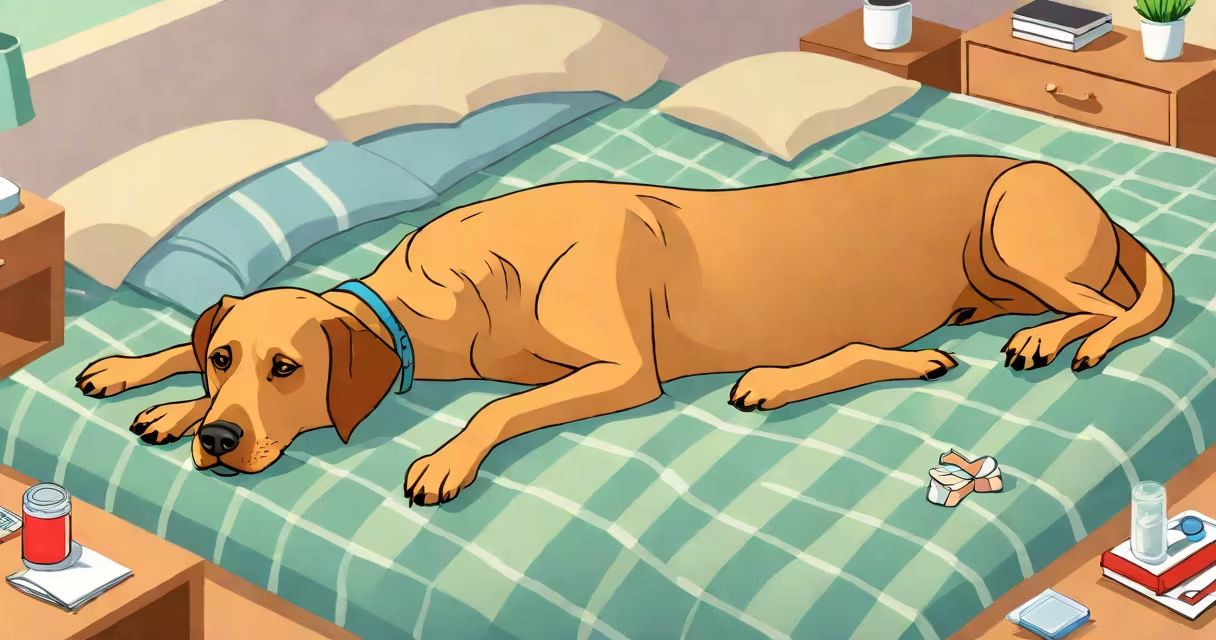
Canine sickness and diarrhea refers to gastrointestinal distress in dogs caused by infection, dietary indiscretion, parasites, or systemic illness. It often presents with loose stools, vomiting, lethargy, and loss of appetite. This condition requires prompt attention to prevent dehydration and complications.
Dogs develop diarrhea when the digestive tract becomes inflamed or disrupted. The small intestine absorbs nutrients and water; the large intestine forms stool. When either part malfunctions due to toxins, pathogens, or stress, fluid accumulates in the colon, leading to frequent, watery bowel movements. Diarrhea may last hours or persist for days depending on the cause.
Common triggers include sudden diet changes, ingestion of spoiled food, bacterial infections like Salmonella or E. coli, viral agents such as parvovirus, and parasitic infestations including Giardia and roundworms. Systemic conditions like pancreatitis, kidney disease, or immune-mediated disorders can also manifest as diarrhea. Some cases resolve within 24-48 hours with rest and hydration; others require medical intervention.
The gastrointestinal system processes food through mechanical and chemical digestion. When a dog eats something irritating or infectious, the intestinal lining becomes inflamed. This increases secretion of fluid into the gut while reducing absorption capacity. The result is rapid transit and loose stool.
For example, a 2-year-old Labrador mix developed severe diarrhea after eating a discarded chicken wing from a picnic. Within six hours, the dog had four episodes of loose, mucus-laden stools and vomited once. A vet diagnosed acute gastroenteritis secondary to dietary indiscretion. After 24 hours of fluid therapy and a bland diet, symptoms resolved.
Parvovirus remains a life-threatening cause. It attacks rapidly dividing cells in the intestinal lining, destroying villi responsible for nutrient absorption. Without treatment, mortality rates exceed 50% in unvaccinated puppies. Early signs include fever, refusal to eat, and bloody diarrhea. Survival depends on aggressive supportive care, including IV fluids and antibiotics.
Causes fall into categories based on origin and duration:
| Type | Duration | Common Causes | Typical Treatment |
|---|---|---|---|
| Acute | Less than 2 days | Dietary change, mild infection, stress | Fluids, fasting 12 hours, then bland diet |
| Subacute | 2-7 days | Parasites, bacterial overgrowth, early viral infection | Fecal test, dewormer, probiotics |
| Chronic | More than 7 days | Food allergies, inflammatory bowel disease, cancer | Biopsy, elimination diet, immunosuppressants |
Acute cases usually respond to home management. Subacute and chronic cases demand diagnostic testing. Fecal flotation detects parasite eggs. PCR tests identify viruses like parvovirus. Blood work evaluates organ function and electrolyte balance.
A 6-month-old Pomeranian presented with persistent diarrhea and weight loss. Initial fecal exam showed Giardia cysts. After treatment with metronidazole and a strict diet, symptoms resolved in five days. This illustrates how accurate diagnosis prevents unnecessary treatments.
Diarrhea lasting longer than 48 hours, especially with blood, fever, or collapse, indicates serious illness. Dehydration signs include sunken eyes, dry gums, and skin tenting (pinch the scruff; if it stays up, dehydration is likely).
Parvovirus is a critical concern in unvaccinated puppies. According to the American Veterinary Medical Association (AVMA), survival drops below 20% without hospitalization. Early recognition saves lives. A dog with bloody diarrhea, vomiting, and weakness should be seen within hours.
I once observed a 10-week-old puppy brought in after two days of diarrhea and refusal to stand. Bloodwork revealed severe hypoglycemia and elevated liver enzymes. Parvovirus was confirmed via antigen test. After 72 hours of intensive care, including dextrose infusions and antiviral support, the puppy recovered. This case underscores that even young, otherwise healthy dogs can deteriorate quickly.
Many assume diarrhea is always a minor issue. In reality, it's a symptom of underlying problems. A dog with chronic diarrhea may have food sensitivities or autoimmune disease. Blindly using over-the-counter medications like Pepto-Bismol can mask symptoms and delay proper diagnosis.
Another myth is that fasting cures diarrhea. While short-term fasting (12-24 hours) may help in mild cases, prolonged fasting harms gut integrity. The GI tract needs nutrients to repair itself. Reintroducing food too soon risks worsening inflammation. A balanced approach involves feeding small portions of boiled chicken and rice after a brief fast.
Vaccination against parvovirus and distemper reduces risk. Regular deworming prevents intestinal parasites. Avoiding garbage, raw meat, and unfamiliar foods minimizes exposure to pathogens. Sudden diet changes should be phased over 7 days.
Probiotics like Enterococcus faecium and Lactobacillus acidophilus improve gut barrier function and reduce pathogen colonization. Research published in Frontiers in Microbiology (2021) found that dogs given daily probiotics had shorter recovery times from antibiotic-associated diarrhea.
For mild cases, withhold food for 12 hours, offer ice chips or diluted broth, then reintroduce a bland diet (boiled chicken and rice) in small amounts. Monitor for improvement. If no change in 24 hours, consult a veterinarian. Persistent diarrhea can lead to malnutrition and weakened immunity.