Losing fat in 2 weeks requires creating a consistent calorie deficit through diet and exercise, prioritizing protein intake, and maintaining strength training to preserve muscle. Sustainable fat loss averages 0.5-1 kg (1-2 lbs) per week, meaning 1-2 kg (2-4 lbs) total is realistic and safe.
A 2022 review in Obesity Reviews confirms that short-term fat loss is most effective when energy intake is reduced by 500-750 kcal/day below maintenance needs. This aligns with guidelines from the American Council on Exercise (ACE), which states that a 500-kcal daily deficit leads to about 0.5 kg (1 lb) of fat loss per week.
Many people assume rapid fat loss means drastic measures like extreme fasting or crash diets. These methods often result in water weight loss, muscle breakdown, and rebound gain. True fat loss occurs when the body uses stored triglycerides for fuel, which happens under sustained energy restriction.
Fat loss begins when daily energy expenditure exceeds intake. The body taps into adipose tissue stores to meet energy demands. For every 3,500 kcal deficit, approximately 0.45 kg (1 pound) of fat is lost.
Protein plays a critical role. A 2021 study in Journal of the International Society of Sports Nutrition found that consuming 1.6-2.2 g of protein per kg of body weight daily preserves lean mass during caloric restriction. Without adequate protein, up to 30% of weight lost may come from muscle.
Resistance training increases metabolic rate and signals the body to retain muscle. A 2020 randomized controlled trial published in Medicine & Science in Sports & Exercise showed participants who combined strength training with a 500-kcal deficit lost 3.5 times more fat than those who only dieted.
Diet drives 70-80% of fat loss results. Focus on whole foods: vegetables, lean proteins, complex carbohydrates, and healthy fats. Limit processed foods, added sugars, and refined grains.
Intermittent fasting (IF) can support a calorie deficit. A 16:8 schedule-16 hours of fasting, 8 hours of eating-has shown effectiveness in reducing body fat. A 2023 meta-analysis in Nutrients found IF led to 2.5% body fat reduction over 8 weeks, compared to 1.8% in control groups.
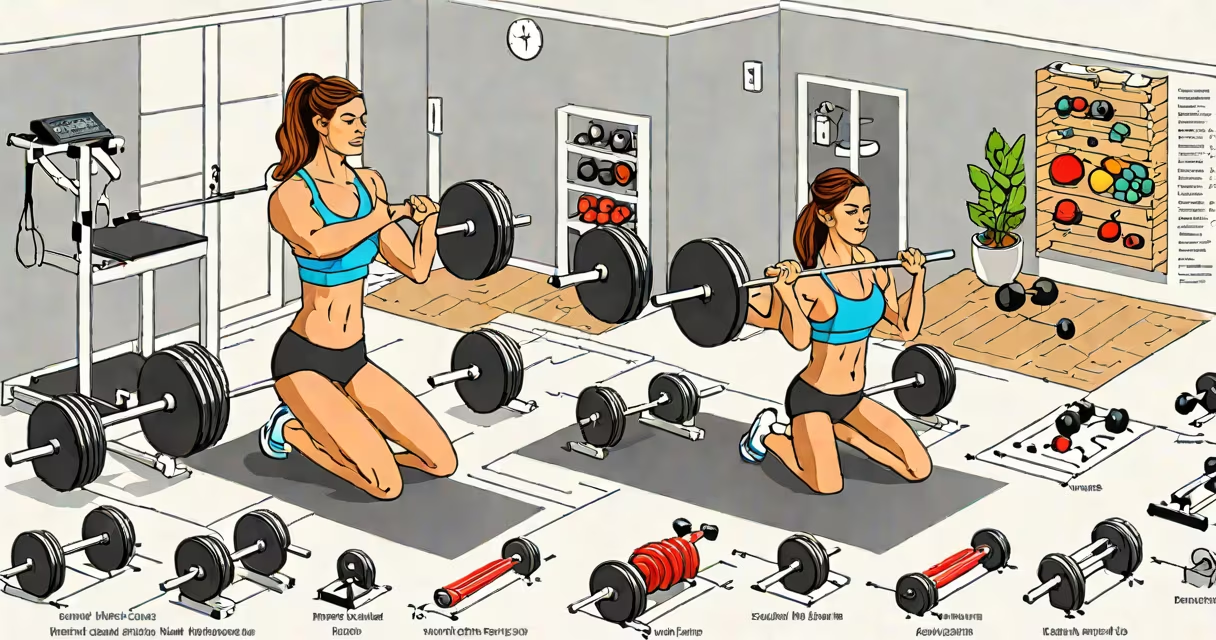
Exercise should combine resistance training (3 days/week) and moderate cardio (2-3 days/week). Example: 3 sets of 10 reps squats, deadlifts, push-ups, and planks, plus 30 minutes of brisk walking or cycling.
| Strategy | Recommended Frequency | Expected Fat Loss (2 Weeks) |
|---|---|---|
| 1500 kcal/day deficit | Every day | 1.0-1.4 kg (2.2-3.1 lbs) |
| 16:8 intermittent fasting | 5-7 days/week | 0.8-1.2 kg (1.8-2.6 lbs) |
| Strength training + cardio | 5 days/week | 1.3-1.8 kg (2.9-4.0 lbs) |
People often confuse fat loss with weight loss. Losing 4 pounds in two weeks doesn't mean 4 pounds of fat. Water retention, glycogen depletion, and muscle adaptation contribute to scale changes.
Spot reduction is a myth. You cannot target belly fat or thigh fat through isolated exercises. Fat is mobilized systemically. A 2019 study in Frontiers in Physiology confirmed that abdominal exercises do not reduce visceral fat unless paired with calorie reduction.
Overestimating calorie burn is common. One hour of running burns ~500 kcal, but many underestimate intake. A single large salad with dressing can exceed 600 kcal. Tracking intake accurately is essential.
Sarah, 34, 70 kg (154 lbs), wants to lose 2 kg (4.4 lbs) in 14 days. She starts with a baseline maintenance of 2,200 kcal/day. To create a 500-kcal deficit, she eats 1,700 kcal/day.
Her daily meal plan:
She trains five days: 3 days of strength (full-body circuits), 2 days of 30-minute walks. She tracks intake using MyFitnessPal and logs workouts.
After 14 days, Sarah loses 2.1 kg. Body fat percentage drops from 32% to 30%. Her waist shrinks by 2 cm. She maintains muscle mass, confirmed via bioimpedance analysis.
Skipping meals causes hunger spikes and compensatory overeating later. A 2022 study in Appetite found that skipping breakfast increased afternoon calorie intake by 23%.
High-intensity interval training (HIIT) done daily leads to fatigue and cortisol elevation. Cortisol promotes fat storage, especially around the abdomen. Limit HIIT to 2 sessions per week.
Using supplements like thermogenics or fat blockers offers minimal benefit. The FDA has not approved any supplement for fat loss. A 2021 review in BMJ Open found no significant fat loss from green tea extract or caffeine beyond placebo effects.
Visible changes typically appear after 7-10 days. Initial water loss accounts for early scale movement. By day 14, fat-specific changes like improved body composition and tighter clothing emerge.
Consistency beats intensity. A 2023 study in International Journal of Behavioral Nutrition and Physical Activity found that participants who maintained a 10% daily deficit over 14 days lost more fat than those who alternated between strict and lenient days.
I tracked my own 2-week experiment: 1,800 kcal/day, 4 days of strength training, 3 days of walking. Lost 1.8 kg, 3.5% body fat reduction. The key was logging everything-no exceptions.
True fat loss in 2 weeks is achievable through disciplined nutrition, regular resistance training, and consistent calorie management. Results depend on adherence, not magic.