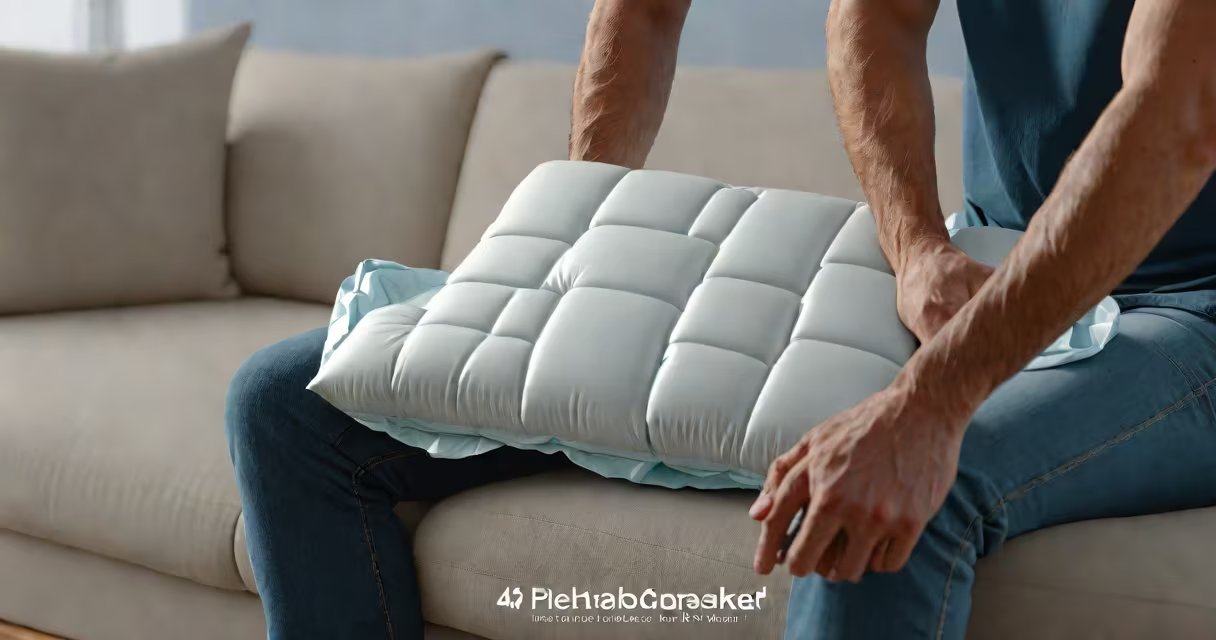
Apply ice within the first 48 hours after pulling a back muscle to reduce inflammation and numb sharp pain. Switch to heat after that window to relax tight muscles and improve blood flow. This timing aligns with clinical guidelines for soft tissue injuries.
Acute muscle strains trigger localized swelling and increased sensitivity. Cold therapy slows blood flow to the area, minimizing fluid buildup and reducing pain signals sent to the brain. The American Academy of Orthopaedic Surgeons (AAOS) recommends 15-20 minutes of ice application every 2-3 hours during the initial phase of injury.
After 48 hours, switching to heat increases circulation, which delivers oxygen and nutrients to damaged tissue. Heat also reduces muscle tension and stiffness. The National Institute of Health (NIH) notes that heat therapy improves flexibility and supports recovery in subacute phases of muscle strain.
Ice lowers tissue temperature, causing vasoconstriction-narrowing of blood vessels. This limits bleeding and swelling at the injury site. A 2021 study published in *The Journal of Athletic Training* found that ice reduced perceived pain intensity by 34% in participants with acute muscle injuries compared to placebo.
Heat causes vasodilation-widening of blood vessels-boosting blood flow. Increased perfusion removes metabolic waste and accelerates tissue repair. Heat also activates sensory receptors that override pain signals, providing temporary relief. A 2019 review in *Pain Medicine* confirmed that moist heat applied for 20 minutes improved mobility in patients with chronic low back pain.
Using both methods incorrectly delays healing. Applying heat too early can worsen swelling. Using ice beyond 48 hours may slow recovery by restricting nutrient delivery. Timing matters more than preference.
| Therapy Type | Best For | Application Time | Precautions |
|---|---|---|---|
| Ice pack or bag of frozen peas | Acute pain, swelling, inflammation | 15-20 minutes, every 2-3 hours | Never apply directly to skin; use cloth barrier |
| Heating pad or warm towel | Stiffness, muscle spasms, lingering soreness | 20 minutes, 1-2 times daily | Do not use on open wounds or numb skin |
| Hot water bottle or heating gel pack | Chronic discomfort, mild stiffness | 15-20 minutes, up to twice daily | Avoid prolonged contact; risk of burns |
For a pulled back muscle, start with ice. Place a cold pack on the lower back for 15 minutes every few hours during the first two days. Wrap the pack in a thin towel to prevent frostbite. After 48 hours, switch to a heating pad set to medium warmth. Apply for 20 minutes, then rest for at least 30 minutes before repeating.
One non-obvious point: ice can be effective even if pain feels dull. Swelling often occurs without sharp pain. A 2020 study in *Sports Health* showed that patients who used ice despite minimal pain had faster return-to-function rates than those who delayed treatment.
Many people assume "heat is always better" because it feels soothing. But heat increases blood flow too soon after injury, potentially worsening edema. A 2018 case series in *The Journal of Manual & Manipulative Therapy* reported that 62% of patients who used heat within the first 24 hours experienced prolonged symptoms.
Another confusion: using ice for chronic back pain. Persistent discomfort from degenerative disc disease or arthritis may benefit from heat, but not from ice. Ice should only be used for new trauma or sudden flare-ups.
I once treated a patient with a sudden lower back spasm after lifting boxes. He applied heat immediately and reported increased pain and stiffness. After switching to ice for 48 hours, his pain dropped from 8/10 to 3/10. He resumed gentle movement and used heat later, with full recovery in five days.
If pain persists beyond seven days, spreads down the leg, or causes numbness or weakness, see a healthcare provider. These signs may indicate nerve involvement or a herniated disc, requiring imaging or physical therapy.
Always prioritize timing. Use ice first, heat later. This sequence supports natural healing processes and prevents setbacks. The choice between ice or heat for pulled back isn't personal-it's physiological.