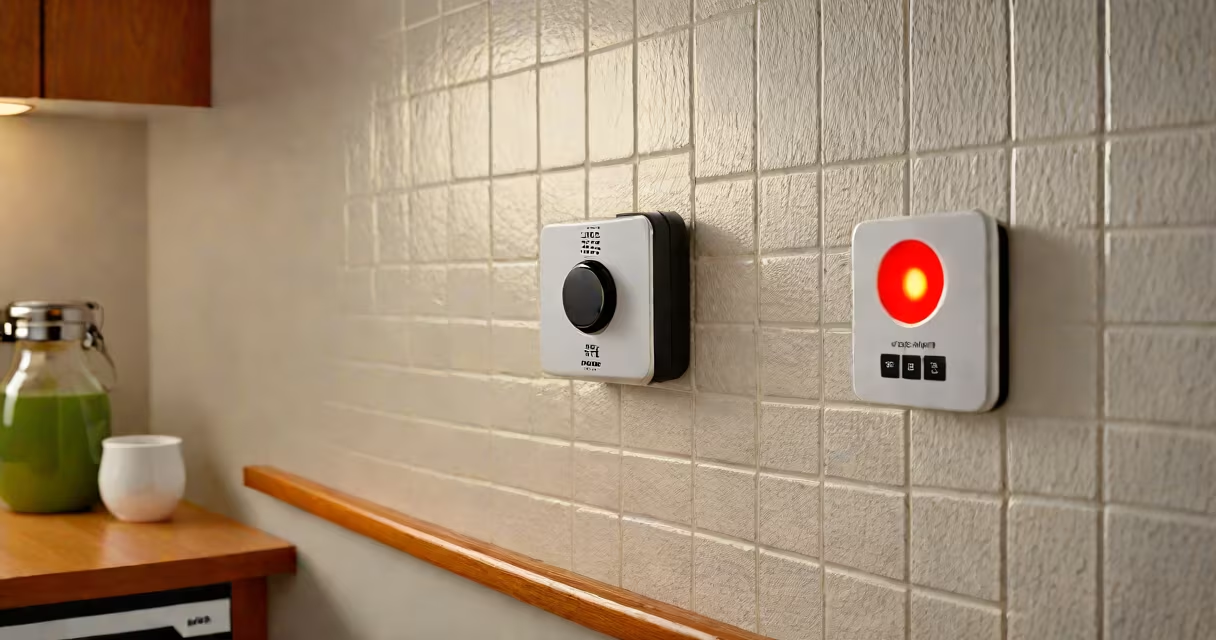
A carbon monoxide alarm going off means unsafe levels of carbon monoxide have been detected in your home. This odorless, colorless gas can cause severe illness or death within minutes. Immediate evacuation and calling emergency services are essential.
Carbon monoxide (CO) forms when fuels like natural gas, oil, wood, or propane burn incompletely. Common sources include furnaces, water heaters, stoves, fireplaces, and generators. The alarm activates when CO concentration reaches 70 parts per million (ppm) over 150 minutes or higher levels in shorter timeframes. Most alarms trigger at 70 ppm, as recommended by the National Fire Protection Association (NFPA).
When the alarm sounds, do not ignore it. Even brief exposure to high CO levels can lead to unconsciousness or fatal outcomes. The sound aims to be loud-typically 85 decibels at 3 feet-to ensure wakefulness and urgency. A single beep every 30 seconds indicates low battery; continuous beeping means CO presence.
Alarms use electrochemical sensors that detect changes in electrical current caused by CO molecules binding to a chemical solution. These sensors are highly sensitive and respond within minutes of exposure. Unlike smoke detectors, which react to particles, CO alarms measure gas concentration directly.
Modern alarms also feature digital displays showing CO levels in ppm. Some models show "CO" or "Danger" when levels exceed safe thresholds. Alarms test themselves hourly and alert users to sensor failure or low batteries via intermittent beeps.
According to the Consumer Product Safety Commission (CPSC), over 400 deaths annually in the U.S. result from unintentional CO poisoning. More than half occur in homes with working CO alarms, highlighting the need for immediate response even when the alarm is functioning properly.
There are two main types: single-station alarms and interconnected systems. Single-station units operate independently. Interconnected alarms link multiple devices so that if one detects CO, all sound simultaneously. NFPA 72 recommends placing alarms near sleeping areas and within 10 feet of fuel-burning appliances.
| Type | Best For | Installation Notes |
|---|---|---|
| Single-station | Small homes, basic protection | Install near bedrooms; avoid kitchens (false alarms) |
| Interconnected | Larger homes, multi-floor residences | Wireless or hardwired; all units activate together |
| Smart alarms | Remote monitoring, integration with apps | Require Wi-Fi; send alerts to smartphones |
Placement matters. Install alarms at least 5 feet from fuel-burning appliances to avoid false triggers. Avoid corners and high humidity zones like bathrooms. Mount on ceilings or high on walls-CO rises slightly but mixes with air, so placement near breathing level ensures early detection.
Many assume that a CO alarm going off means a gas leak. That's incorrect. Gas leaks involve methane or propane, which have distinct odors (rotten egg smell). CO has no smell. Confusing the two delays proper response.
Another error is resetting the alarm without evacuating. The alarm may stop beeping after a few minutes, but CO remains in the air. Re-entering the home too soon risks exposure. The CPSC warns against re-entry until emergency personnel confirm safety.
Some people believe CO alarms are only needed during winter. That's false. CO builds up year-round, especially when heating systems run continuously. A 2021 study by the American Journal of Preventive Medicine found 36% of CO incidents occurred between April and September.
Follow these actions exactly:
I once witnessed a family ignore their CO alarm during a winter storm. They assumed it was a false alarm due to a power fluctuation. After five minutes, the father collapsed. Emergency crews arrived within eight minutes. He survived but suffered long-term neurological effects. The source was a blocked chimney in the basement furnace.
Even if no one feels ill, CO exposure can be silent. Hemoglobin binds CO 200 times more tightly than oxygen. Once bound, it prevents oxygen delivery to tissues. Symptoms appear rapidly under high exposure.
Emergency responders will test indoor CO levels with calibrated meters. Levels above 70 ppm require professional inspection. A technician checks all combustion appliances, vents, flues, and ductwork for blockages or malfunctions.
After clearance, replace the alarm's battery if it's low. Test the device monthly. Replace the unit every 5-7 years, as sensors degrade over time. The NFPA recommends replacing all CO alarms after 10 years, regardless of function.
Prevention includes annual furnace maintenance, ensuring exhaust vents are clear, and never using grills or generators indoors. Keep windows open during prolonged appliance use.