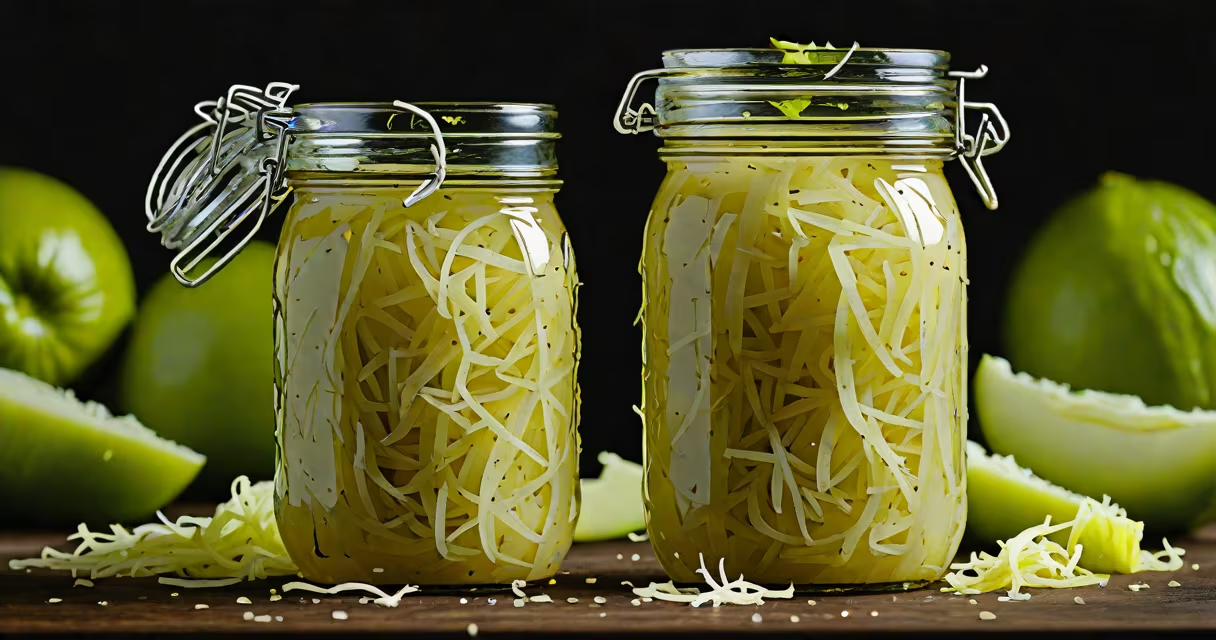
Sauerkraut is good to eat because it contains live probiotics, vitamin C, and iron, offering benefits for gut health, immune function, and nutrition. Fermented cabbage retains key nutrients while developing beneficial bacteria during fermentation.
Sauerkraut is made by shredding raw cabbage and mixing it with salt. The salt draws out moisture, creating a brine that submerges the cabbage. Over 3-6 weeks, naturally occurring lactic acid bacteria ferment the sugars in the cabbage, producing lactic acid. This process preserves the cabbage and generates beneficial microbes.
Commercial sauerkraut often undergoes pasteurization to extend shelf life. Pasteurization kills off live bacteria, reducing probiotic content. Unpasteurized versions retain active cultures. For maximum benefit, choose refrigerated, unpasteurized sauerkraut labeled "live cultures" or "raw."
Probiotics in sauerkraut help maintain a balanced gut microbiome. A 2020 study published in Frontiers in Microbiology found that regular consumption of fermented vegetables improved microbial diversity and reduced markers of inflammation in adults with mild digestive discomfort.
One 100g serving of unpasteurized sauerkraut contains approximately 10 billion CFUs (colony-forming units) of Lactobacillus and other beneficial bacteria. These microbes aid digestion, support nutrient absorption, and strengthen the intestinal barrier.
A 2021 review in Nutrients linked daily intake of fermented foods to lower risk of gastrointestinal disorders, including irritable bowel syndrome (IBS) and leaky gut syndrome. While not a treatment, sauerkraut may help manage symptoms when consumed consistently.
Sauerkraut is rich in vitamin C, with about 20mg per 100g-roughly 22% of the daily recommended intake for adults. Vitamin C supports collagen synthesis, wound healing, and immune defense. Raw cabbage retains most of its vitamin C during fermentation, unlike cooked versions.
It also provides iron, with 0.6mg per 100g. Iron is essential for hemoglobin production and oxygen transport. While not a primary source, sauerkraut contributes to daily iron intake, especially when paired with vitamin C-rich foods that improve absorption.
One cup (about 150g) of sauerkraut delivers 15% of the daily value for vitamin K1, important for blood clotting and bone metabolism. It also contains fiber (2.5g per 100g), which feeds beneficial gut bacteria and promotes regular bowel movements.
| Nutrient | Per 100g | Daily Value (DV) |
|---|---|---|
| Vitamin C | 20 mg | 22% |
| Iron | 0.6 mg | 3% |
| Vitamin K1 | 20 µg | 17% |
| Fiber | 2.5 g | 10% |
Many assume all sauerkraut is equally healthy. This is false. Pasteurized varieties lose nearly all live probiotics. Labels must specify "unpasteurized" or "raw" to ensure bacterial activity.
Another error is consuming large portions at once. Starting with 1-2 tablespoons daily allows the gut to adjust. Excessive intake can cause bloating or gas due to rapid microbial changes.
Some confuse sauerkraut with kimchi. Both are fermented vegetables, but kimchi includes chili peppers, garlic, and fish sauce, making it spicier and higher in sodium. Sauerkraut is milder and typically lower in salt.
At a family dinner, I served grilled chicken with a side of sauerkraut. My cousin, who had struggled with constipation for months, reported improved bowel regularity within two weeks of eating a tablespoon daily. She also noticed fewer colds during winter-likely due to enhanced immune function from consistent probiotic intake.
For meal prep, mix 2 tablespoons of sauerkraut into scrambled eggs or atop a turkey sandwich. Its tang balances rich flavors and adds texture. Pair it with iron-rich foods like lentils or red meat to boost iron absorption.
When choosing sauerkraut, look for brands like Bubbies or Wildbrine that list "fermented" and "live cultures" on the label. Avoid products with added sugars, preservatives, or high-fructose corn syrup.
People with histamine intolerance may react to sauerkraut's high histamine levels after long fermentation. Symptoms include headaches, flushing, or digestive upset. Limit intake or choose freshly fermented versions (under 2 weeks).
Those on low-sodium diets should monitor intake. One cup of sauerkraut contains about 400mg of sodium-around 17% of the daily recommended limit. Opt for low-sodium versions or reduce portion size.
Individuals with autoimmune conditions like Crohn's disease may experience flare-ups from fermented foods. Consult a healthcare provider before adding sauerkraut to your diet.
Yes, sauerkraut is good to eat when chosen wisely. It offers probiotics, vitamins, and minerals that support digestion, immunity, and nutrient balance. Unpasteurized, low-sodium versions provide the greatest benefit.
Include sauerkraut as part of a varied diet. Start small, read labels, and prioritize freshness. When done correctly, it's a nutritious, functional food with lasting health advantages.