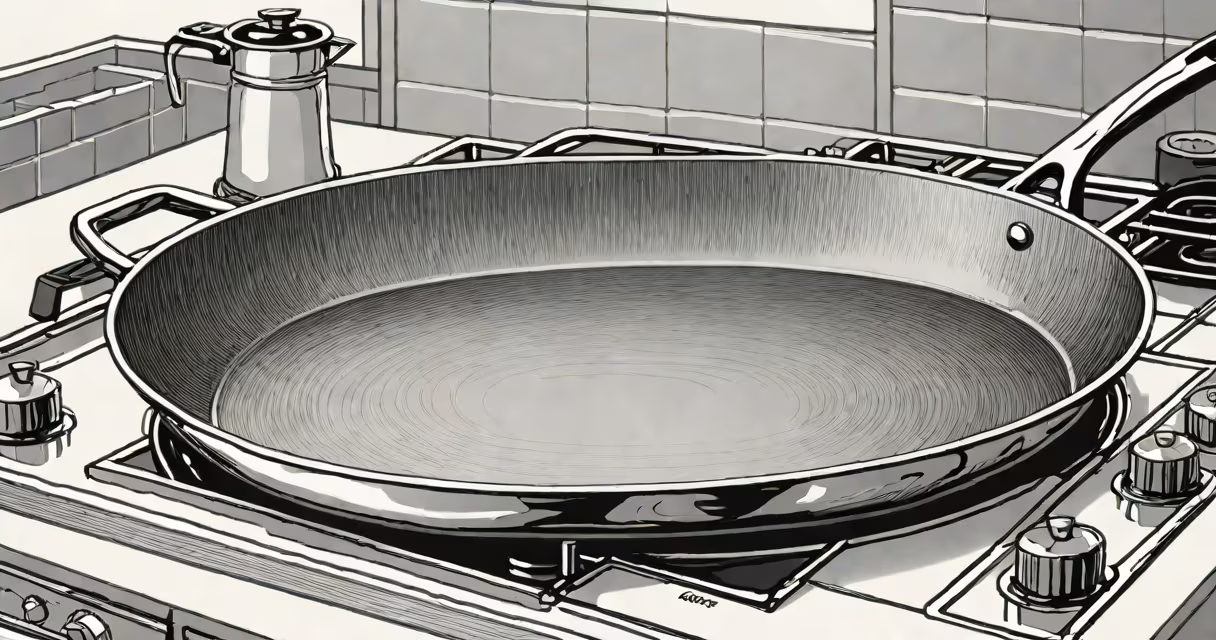
A non stick pan on induction stove must have a magnetic base and a durable non stick coating designed to withstand high heat without degrading. Only pans labeled as induction-compatible will work safely and efficiently on induction cooktops.
Induction cooking uses electromagnetic fields to generate heat directly in the cookware, not through a flame or heating element. This means the pan's base must be ferromagnetic-typically made of stainless steel, cast iron, or aluminum with a magnetic layer-to interact with the induction coil. Non stick pans often use aluminum cores because aluminum conducts heat well, but aluminum isn't magnetic. Without a magnetic layer, the pan won't respond to the induction field.
The non stick coating itself-usually PTFE or ceramic-doesn't affect induction compatibility. What matters is the base material. A pan may look like a non stick pan but fail on induction if it lacks a magnetic base. Always check the product label or packaging for "induction-ready" or "induction-compatible."
When you turn on an induction stove, an alternating electric current flows through a copper coil beneath the glass surface. This creates a magnetic field that induces eddy currents in the metal base of the pan. The resistance in the metal converts this energy into heat, which cooks the food. The heat stays confined to the pan's base-there's no residual heat on the cooktop surface.
For a non stick pan to work, the base must be thick enough to distribute heat evenly and contain a magnetic layer. Thin bases warp under high heat and don't transfer energy efficiently. Most induction-safe non stick pans have a three-layer base: a magnetic steel layer at the bottom, an aluminum core for heat distribution, and a non stick coating on top.
Using a non induction-compatible pan causes the stove to detect no load. The cooktop either refuses to activate or shuts off after a few seconds. Some models display error codes like "E0" or "F0" when they sense no magnetic response. This prevents damage to both the cookware and the stove.
Non stick pans for induction stoves come in several construction types. The most common are:
| Type | Base Composition | Pros | Cons |
|---|---|---|---|
| Aluminum with magnetic layer | Aluminum core with bonded steel base | Lightweight, heats quickly, affordable | Coating wears faster under high heat |
| Stainless steel with magnetic layer | 304 or 316 stainless steel with iron-rich base | Durable, scratch-resistant, long-lasting | Heats slower, heavier, higher price |
| Ceramic-coated with magnetic base | Aluminum or steel base with ceramic coating | PFOA-free, eco-friendly, good for low-medium heat | Less durable, not ideal for searing or high heat |
Aluminum-based pans are popular due to their lightweight feel and rapid heat response. However, they're prone to warping if heated too high. Stainless steel pans with a magnetic base offer better durability and even heat distribution but take longer to warm up. Ceramic-coated pans avoid synthetic chemicals but degrade faster under high temperatures and aren't recommended for frying or broiling.
Home chefs use non stick pans on induction stoves for quick meals like scrambled eggs, pancakes, and stir-fries. The non stick surface prevents food from sticking, reduces the need for oil, and simplifies cleanup. Induction stoves provide precise temperature control-ideal for delicate tasks like melting chocolate or simmering sauces.
Professional kitchens increasingly adopt induction stoves for safety and efficiency. They reduce fire risks and cool down instantly when turned off. A non stick pan on induction allows rapid cooking with minimal energy waste. For example, boiling water in a 10-inch non stick pan takes about 3 minutes on medium-high heat, compared to 5 minutes on gas.
One common mistake is assuming all non stick pans are induction-safe. A 2022 study by the Consumer Reports tested 45 non stick pans across multiple cooktop types. Only 28 met induction compatibility standards. The rest failed due to non-magnetic bases or thin layers that warped during testing.
Many people think a pan with a shiny base is automatically induction-ready. That's false. The surface appearance doesn't indicate magnetic properties. A stainless steel pan may look magnetic but still lack a ferromagnetic layer. Always test with a magnet-if it sticks firmly, the pan is likely compatible.
Another misconception is that non stick coatings can handle high heat. PTFE coatings begin to break down above 500°F (260°C). On induction, temperatures rise rapidly-some models reach 600°F in under 30 seconds. Using a non stick pan at high heat causes toxic fumes and permanent coating damage. The FDA warns against overheating non stick cookware, especially in enclosed spaces.
I once used a $25 non stick pan on my induction stove at high heat while making omelets. After five minutes, the coating bubbled and released a sharp odor. I stopped cooking immediately. The pan was unusable after that. Since then, I only use pans with a magnetic base and a heat rating below 450°F. My current favorite is a 10-inch pan with a tri-ply base and a PTFE-free ceramic coating.
When buying a non stick pan for induction, verify three features: magnetic base, induction certification, and heat tolerance. Look for labels like "induction-compatible," "for induction cooktops," or "magnetic base." Brands like All-Clad, Calphalon, and T-fal offer models specifically engineered for induction.
Check the manufacturer's specifications. A pan rated for up to 450°F is safe for most cooking. Avoid pans with "non stick" labels alone-they don't guarantee compatibility. Use a magnet test: place a fridge magnet on the bottom. If it sticks strongly, the base is magnetic. If it wobbles or falls off, skip it.
Always match your non stick pan to your induction stove's requirements. A properly chosen pan ensures safety, performance, and longevity. Avoid using non induction-compatible pans-they waste energy, risk damage, and compromise results.