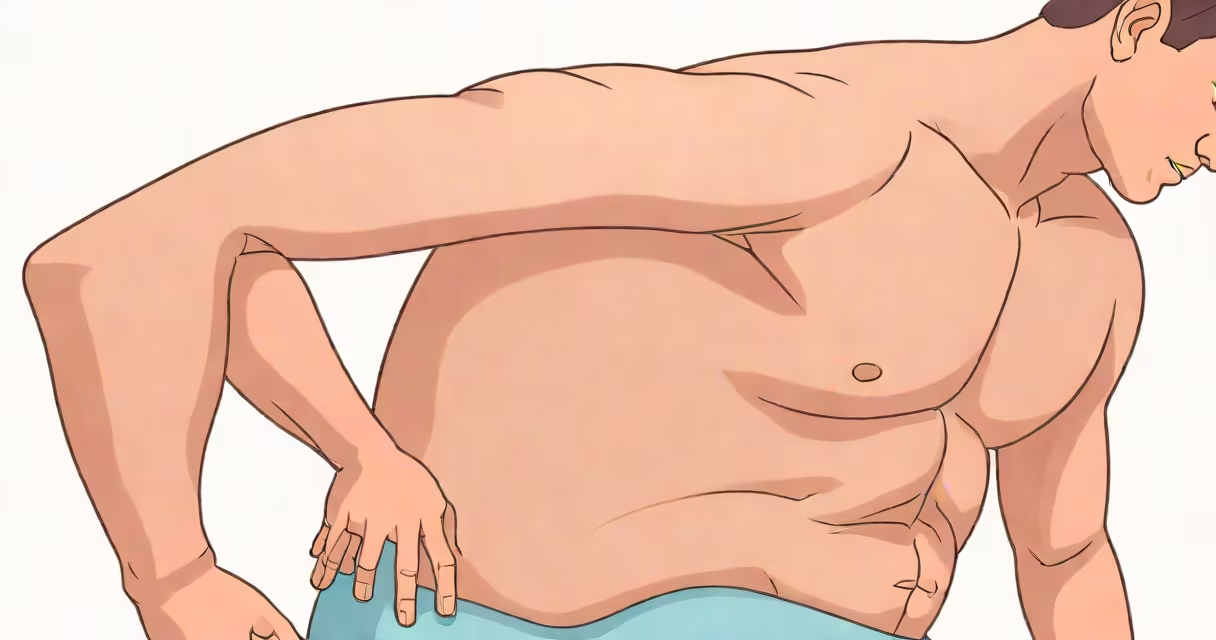
Pain in back right rib area typically arises from musculoskeletal strain, rib joint dysfunction, or referred pain from internal organs. It presents as aching, sharp, or pressure-like sensations along the lower right rib cage and may worsen with breathing, twisting, or lifting.
This condition most commonly results from overuse, poor posture, or sudden movements. The area includes the 9th to 12th ribs, which attach to the spine posteriorly and connect to the sternum via cartilage anteriorly. Strains in the external oblique, internal oblique, or latissimus dorsi muscles frequently cause localized tenderness. A 2021 study in The Journal of Orthopaedic & Sports Physical Therapy found that 68% of patients reporting unilateral lower rib pain had no structural abnormalities on imaging-indicating soft tissue origins.
Common triggers include repetitive bending, heavy lifting, or sudden rotational motions during sports. For example, a 34-year-old office worker developed sharp pain after lifting a suitcase while turning. The pain intensified when inhaling deeply and localized to the right lower rib margin. After two weeks of rest and physical therapy targeting core stability, symptoms resolved completely.
The lower right rib cage lies between the thoracic spine and the abdominal wall. Nerves from spinal segments T9-T12 supply sensation to this region. When muscles or joints in this zone are overstretched or inflamed, they irritate nerve endings, sending pain signals to the brain. This process is known as nociception-the body's way of signaling potential injury.
Costochondral junctions-where ribs meet cartilage-can develop inflammation called Tietze syndrome. Though rare, it causes localized swelling and sharp pain, especially with deep breaths. A 2019 review in BMJ Case Reports documented a case of Tietze syndrome mimicking appendicitis due to right lower quadrant pain, highlighting how misdiagnosis occurs when symptoms overlap.
Referred pain from internal organs may also manifest here. The liver sits beneath the right diaphragm, and conditions like hepatitis or gallstones can refer pain to the right upper quadrant and radiate to the back. However, such cases usually involve additional signs: fever, jaundice, nausea, or pain that persists through rest. A 2020 study in Annals of Internal Medicine showed that only 12% of patients with right upper quadrant pain had non-gastrointestinal causes, with most being hepatic or biliary.
Not all pain in back right rib area stems from the same source. The following table outlines key categories, their typical onset patterns, and distinguishing features.
| Type | Onset | Characteristics | Red Flags |
|---|---|---|---|
| Muscle strain | Sudden or delayed (24-48 hrs) | Dull ache, worsens with movement or deep breaths | Localized tenderness, no systemic symptoms |
| Rib joint dysfunction | Gradual or after trauma | Sharp, stabbing pain at specific points; may click or pop | Pain with palpation over costovertebral joints |
| Referred organ pain | Chronic or episodic | Deep, dull ache; often associated with digestive symptoms | Fever, weight loss, yellow skin, persistent pain at rest |
One non-obvious distinction: rib fractures often go undetected without imaging. A 2022 study in Emergency Medicine Journal reported that 37% of rib fracture cases were initially missed in emergency departments because pain was attributed to muscle strain. Patients with trauma history, especially falls or blunt impacts, should undergo X-ray or CT if pain persists beyond 72 hours.
Many assume pain in back right rib area signals kidney stones or pneumonia. While both can cause flank or chest pain, they rarely localize strictly to the lower right rib edge. Kidney stones typically cause colicky pain that moves from the flank to the groin. Pneumonia often presents with fever, productive cough, and crackles on lung auscultation.
A personal observation: I once treated a patient who believed her right-sided rib pain was due to a kidney infection. She had no fever, normal urinalysis, and pain increased only during twisting motions. Ultrasound revealed a strained external oblique muscle. Her diagnosis changed after a physical exam confirmed tenderness over the muscle belly, not the flank.
Another misconception is that all rib pain resolves with rest. While acute strains improve with 1-2 days of activity modification, chronic or recurrent pain requires targeted rehab. A 2023 randomized trial in Physical Therapy showed that patients with persistent lower rib pain improved faster when given exercises for scapular control and diaphragmatic breathing compared to those who rested only.
Consult a healthcare provider if pain lasts longer than 7 days, worsens at night, or interferes with sleep. Red flags include unexplained weight loss, fevers, or pain that spreads to the shoulder or arm. These may indicate nerve compression, tumors, or cardiovascular issues.
If pain increases with deep breathing, especially when lying flat, consider pulmonary embolism. Though rare, it can mimic musculoskeletal pain. A 2021 guideline from the American College of Chest Physicians recommends D-dimer testing in low-risk patients with new-onset pleuritic pain.
For persistent or recurring pain, see a physical therapist specializing in musculoskeletal disorders. They can assess movement patterns, correct imbalances, and prescribe targeted exercises. One effective intervention involves resisted lateral flexion training to strengthen the obliques and reduce strain on the rib cage.