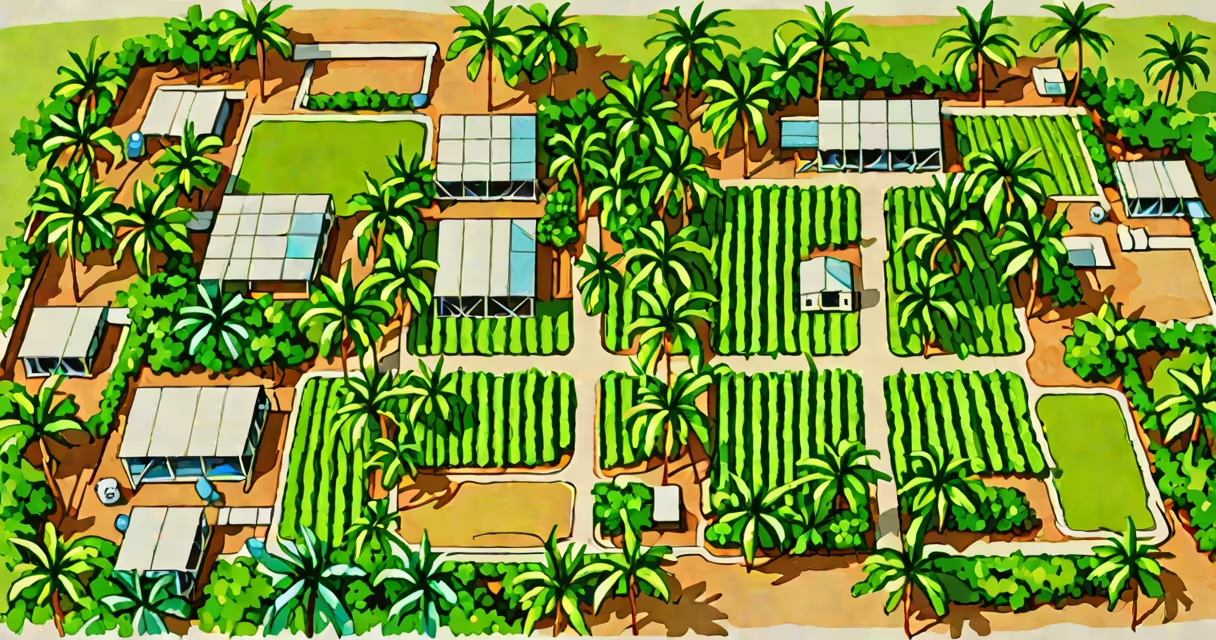
A plantation system definition describes a coordinated set of hardware, software, and operational processes designed to automate and improve large-scale agricultural production-especially in tropical or subtropical regions growing cash crops like palm oil, rubber, coffee, or cocoa. These systems integrate environmental sensors, GPS-guided machinery, and centralized data platforms to manage planting, harvesting, irrigation, and pest control across thousands of hectares.
Such systems emerged in the late 20th century as commercial plantations sought to reduce reliance on manual labor and improve consistency in output. Modern implementations rely on real-time data collection from soil moisture probes, weather stations, and satellite imaging to adjust water delivery, fertilizer application, and harvest timing. The goal is to maximize yield while minimizing waste and environmental impact.
According to the Food and Agriculture Organization (FAO), automation in agriculture can increase productivity by up to 30% in high-value crops. A 2022 study by the International Journal of Agricultural Systems highlighted that plantation systems using predictive analytics reduced pesticide use by 22% compared to traditional methods. These figures show the functional shift from reactive to proactive farm management.
At its core, a plantation system operates through layered data integration. Sensors embedded in the soil measure moisture levels, nutrient content, and root-zone temperature. Weather stations collect local forecasts, while drones or satellites capture multispectral images showing plant health and stress patterns. This data flows into a central server running machine learning models trained on historical yield data and climate variables.
The system then generates actionable alerts or triggers automated responses. For example, if soil moisture drops below 40%, the irrigation module activates sprinklers in designated zones. If a heat map shows early signs of fungal infection in a rubber tree cluster, the system recommends targeted fungicide spraying via autonomous sprayers. All decisions are logged and accessible via mobile dashboards for field supervisors.
One real-world example is the Sime Darby Plantation in Malaysia, which deployed a plantation system across 12,000 hectares of oil palm estates. By integrating IoT-enabled soil sensors with AI-driven yield prediction algorithms, they reduced water usage by 18% and increased fruit bunch yield by 12% within two years. Field managers reported fewer missed harvest windows due to improved scheduling accuracy.
Plantation systems vary based on scale, crop type, and technological maturity. They generally consist of four key layers:
| Type | Core Features | Use Case Example |
|---|---|---|
| Basic Monitoring | Manual data logging, basic sensors, spreadsheet reporting | Small estate tracking rainfall and harvest dates |
| Automated Control | IoT sensors, automated irrigation, remote alerts | Palm oil estate adjusting water flow based on soil readings |
| AI-Driven Optimization | Machine learning models, drone imaging, predictive maintenance | Rubber plantation forecasting latex yield based on leaf color changes |
| Integrated Enterprise | Full ERP integration, blockchain traceability, cloud-based decision engines | Cocoa producer meeting EU sustainability standards with digital supply chain records |
Many assume a plantation system is synonymous with a single piece of equipment-like a robotic harvester or a drone. But the term refers to the entire architecture: data acquisition, processing, actuation, and feedback loops. A drone alone doesn't constitute a system; it's a component.
Another misunderstanding is equating plantation systems with general smart farming tools. While both use sensors and software, plantation systems are specifically tailored for large-scale, long-term crop cycles. They handle seasonal planning, multi-year yield projections, and compliance with environmental regulations-features absent in small-scale urban farming apps.
A lesser-known distinction: plantation systems often operate under low-bandwidth conditions. Unlike city-based IoT networks, many plantations are located in remote areas with limited cellular coverage. Therefore, successful systems incorporate edge computing-processing data locally on-site rather than relying on constant cloud connectivity. This ensures reliability even during network outages.
I once visited a coffee plantation in Colombia where a pilot project had installed a prototype system using solar-powered soil sensors and offline AI models. The team faced challenges syncing data between handheld devices and the central server due to inconsistent power and internet access. After switching to a mesh network with local data caching, they achieved 94% uptime in data transmission.
This experience revealed a critical limitation: deployment complexity increases in tropical environments. High humidity degrades electronic components. Dense canopy blocks satellite signals. These factors demand ruggedized hardware and adaptive software design-not just off-the-shelf sensors.
Cost remains a barrier. A full-scale plantation system can require $150,000 to $500,000 in initial investment, depending on size and features. However, ROI typically occurs within 3-5 years through reduced labor costs, optimized input use, and higher yields. A 2021 report by the World Bank noted that plantation systems in Indonesia led to a 26% reduction in operational expenses over five years.
For those exploring scalability, consider that these systems are not one-size-fits-all. A rubber plantation in Thailand requires different sensor thresholds and growth models than a banana grove in Costa Rica. Customization based on crop-specific biology and regional climate is essential.
The plantation system definition encompasses more than automation-it represents a shift toward data-driven stewardship of vast agricultural landscapes. By combining physical infrastructure with intelligent software, these systems enable consistent, sustainable production at scale. Understanding their structure, limitations, and real-world performance helps avoid misapplication and supports informed investment. As global food demand rises, such systems will play a critical role in feeding populations while preserving ecosystems.