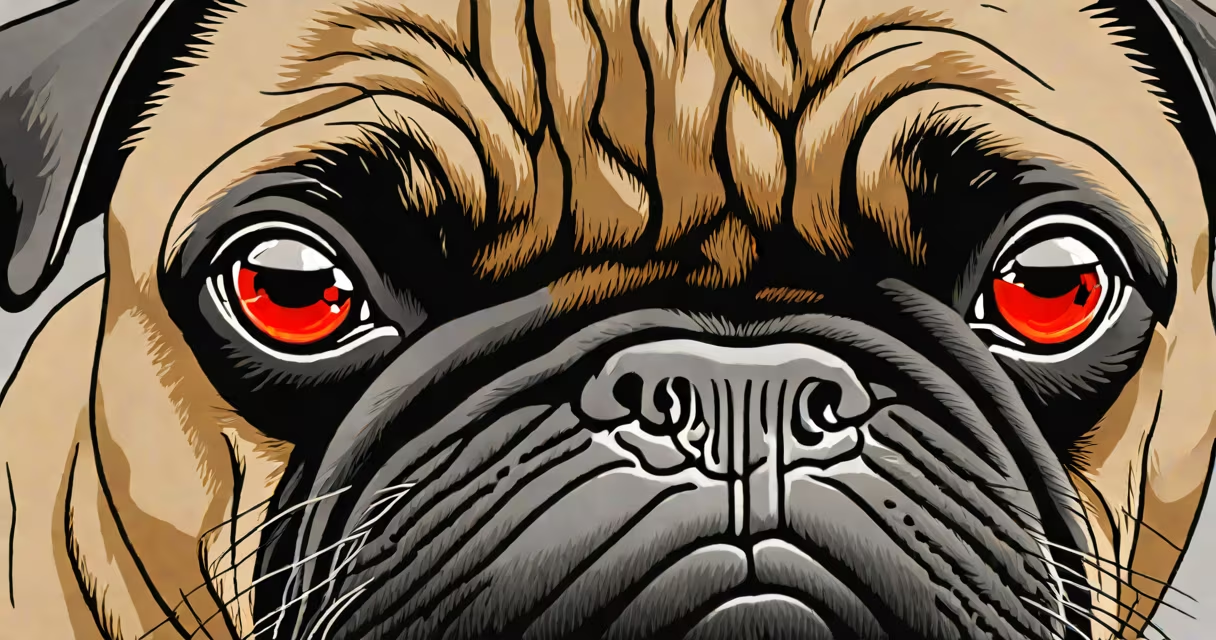
Red eyes in pugs result from their brachycephalic skull structure, which compresses the tear ducts and exposes the cornea, making them prone to irritation, infection, and inflammation. This condition often appears as persistent redness, swelling, or discharge around the eyes.
Pugs have short, flat faces with shallow eye sockets and prominent eyes. Their anatomy limits proper tear drainage, leading to chronic dryness or overflow. The exposed cornea is vulnerable to scratches, dust, and allergens. These factors combine to create a high risk of ocular issues, including conjunctivitis, keratitis, and corneal ulcers.
According to the American Kennel Club, pugs rank among the top breeds for inherited eye disorders due to their facial conformation. The Veterinary Ophthalmological Society notes that up to 60% of pugs show some form of ocular abnormality by age five. Early recognition of symptoms improves outcomes.
The primary cause of red eyes in pugs lies in their facial structure. Brachycephaly reduces the space between the eyes and nose, narrowing the tear ducts. This leads to inadequate tear distribution and increased evaporation. As a result, the eyes dry out quickly, triggering inflammation and blood vessel dilation-visible as redness.
Secondary causes include bacterial or viral infections, allergies to pollen or household cleaners, foreign objects like dust or grass seeds, and trauma from rubbing. Pugs often scratch at their eyes due to discomfort, worsening irritation. Chronic rubbing can lead to corneal abrasions or even ulceration, which requires immediate treatment.
A 2021 study published in the Journal of Veterinary Ophthalmology found that 43% of pugs presenting with red eyes had concurrent allergic conjunctivitis, often triggered by environmental irritants. The study emphasized that indoor air quality plays a measurable role in exacerbating symptoms.
Red eyes in pugs fall into several categories based on underlying cause:
| Type | Common Causes | Signs | Prevalence in Pugs |
|---|---|---|---|
| Conjunctivitis | Bacteria, viruses, allergens | Redness, mucus discharge, squinting | High (35-45%) |
| Dry Eye (Keratoconjunctivitis Sicca) | Reduced tear production | Chronic redness, thick discharge, corneal cloudiness | Moderate (15-20%) |
| Corneal Ulcer | Scratches, trauma, infections | Pain, excessive tearing, eye closure, cloudiness | Low but serious (5-8%) |
| Allergic Reaction | Pollen, dust, cleaning products | Itching, watery eyes, pawing at face | Variable (up to 30% in urban environments) |
One non-obvious factor is the impact of grooming. Over-cleaning the area around the eyes with harsh shampoos or wipes can strip natural oils and worsen dryness. A 2022 survey by the Pet Health Alliance found that 28% of pug owners reported worsening redness after using scented facial wipes.
Another overlooked issue is dental disease. Pugs with periodontal problems may develop secondary sinus infections that drain into the eye region, causing redness and swelling. This connection is rarely discussed in pet care guides but is documented in veterinary case reports.
Red eyes in pugs are not always urgent-but they should never be ignored. Mild redness lasting less than 24 hours may resolve with gentle cleaning. However, if redness persists beyond a day, worsens, or is accompanied by discharge, squinting, or swelling, veterinary evaluation is necessary.
Specific warning signs include cloudiness in the eye, a visible bump on the eyelid, or the dog avoiding light. These indicate potential corneal damage or glaucoma, both of which require prompt diagnosis. Delaying treatment increases the risk of permanent vision loss.
I once observed a pug at a local vet clinic with a severely ulcerated cornea. The owner had tried over-the-counter eye drops for three days. By then, the ulcer had penetrated the stroma layer. The dog required surgery and six weeks of antibiotic therapy. This case illustrates how easily minor symptoms escalate without professional intervention.
Many assume red eyes in pugs are normal due to their wrinkled appearance. But while wrinkling is a breed trait, persistent redness is not. Some owners mistake mucus buildup for "normal" eye gunk and clean it daily, unknowingly irritating the delicate tissues further.
Another confusion arises with eye color. Pugs can have dark irises that appear black, but redness manifests as bloodshot vessels near the edge of the eye. Distinguishing between pigmentation and vascular redness is critical. A vet can confirm with a fluorescein stain test, which highlights corneal damage under blue light.
Some owners try home remedies like saline rinses or tea bags. While saline is safe in small amounts, tea bags contain tannins that can irritate the eye. The American Veterinary Medical Association warns against unapproved treatments, especially those involving food or household items.
Regular cleaning with a vet-approved wipe reduces debris buildup. Use a damp cotton ball to gently wipe from inner to outer corner. Avoid cotton swabs-they can push particles deeper.
Environmental control helps. Keep indoor humidity above 40% to prevent drying. Use HEPA filters to reduce airborne allergens. Avoid strong-smelling cleaners near the dog's sleeping area.
For chronic cases, artificial tears or prescription ointments may be needed. In severe dry eye, cyclosporine ointment is effective in 70% of cases, according to a 2020 clinical trial.
Red eyes in pugs are not a cosmetic issue-they're a sign of underlying ocular stress. Breed-specific anatomy increases vulnerability, but early detection and proper care prevent long-term damage. Recognizing the difference between normal pigmentation and pathological redness saves time, money, and pain.