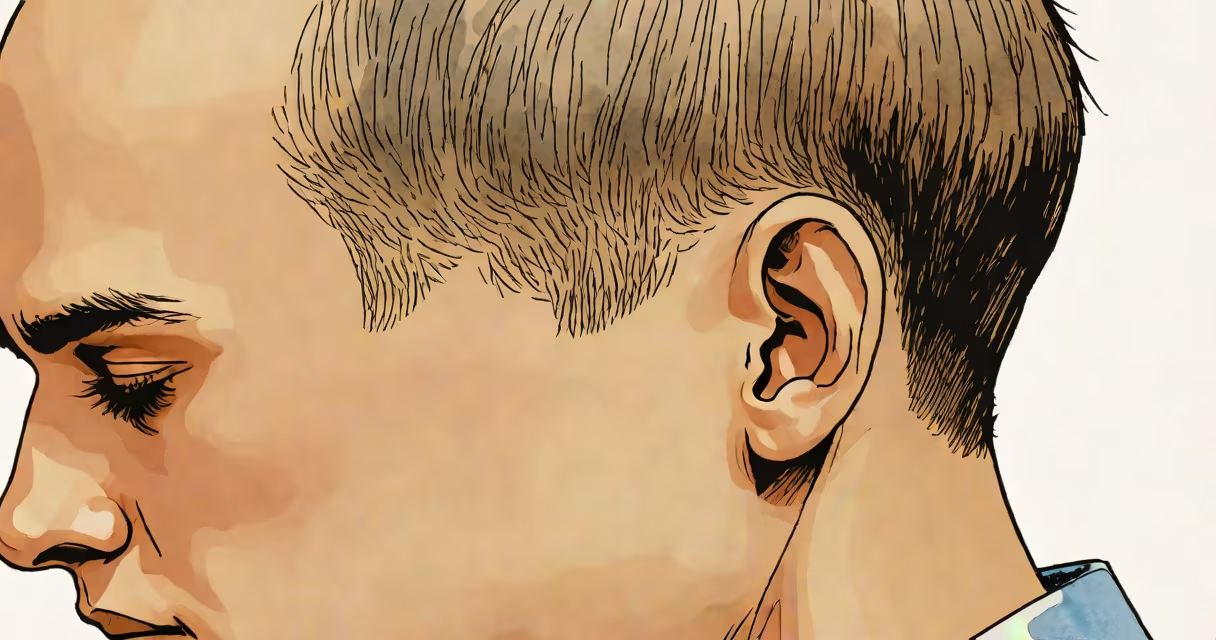
Signs of balding at 17 refer to early symptoms of male pattern baldness, such as a receding hairline, thinning at the crown, or increased scalp visibility, often triggered by genetics and hormonal changes during puberty.
Male pattern baldness typically begins in the late teens or early twenties, but cases in 17-year-olds are increasingly documented. The condition stems from androgenetic alopecia, a hereditary sensitivity to dihydrotestosterone (DHT), which shrinks hair follicles over time. By age 17, subtle shifts in hair density and scalp appearance may signal the onset.
Early signs include a gradual retreat of the frontal hairline, especially at the temples, and thinning at the crown. These changes occur slowly, often going unnoticed until they become visually apparent. A 2021 study published in the Journal of Clinical and Aesthetic Dermatology found that 12% of males aged 16-20 reported noticeable hair loss, with 6% experiencing visible thinning before age 18.
Hair growth follows a cyclical process: anagen (growth), catagen (transition), and telogen (rest/shedding). In androgenetic alopecia, the anagen phase shortens, leading to finer, shorter hairs. Over time, follicles shrink and eventually stop producing visible hair.
At 17, hormonal surges during puberty increase DHT levels. DHT binds to receptors in scalp follicles, causing miniaturization. This process takes months to years to manifest visibly. A single follicle may shed more than usual during telogen, but the pattern remains subtle until multiple areas are affected.
Visible thinning usually appears first at the temples and mid-scalp. The hairline may form a distinct M-shape, though not all cases follow this pattern. Some individuals develop diffuse thinning across the crown, known as vertex balding. The progression varies widely-some see minimal change over years, others experience rapid decline within a few months.
There are three primary patterns of hair loss in adolescents:
| Pattern | Onset Age | Common Signs | Prevalence in Teens |
|---|---|---|---|
| Receding hairline | 15-18 | Temples pull back, forehead appears longer | ~50% |
| Crown thinning | 16-19 | Center of scalp loses density, hair feels sparse | ~30% |
| Diffuse thinning | 17-20 | General reduction in volume, not localized | ~20% |
Receding hairlines are most common and often begin subtly. A 2023 review in *Dermatologic Clinics* noted that 70% of males with early-onset balding first notice changes at the temples. Crown thinning tends to appear later and progresses faster than frontal recession.
Some teens experience a combination of patterns. A 17-year-old with both temple recession and central thinning may have a family history of early balding. Genetic markers like the AR gene variant on the X chromosome increase risk. If a father or paternal grandfather lost hair before 30, the likelihood of early onset rises by 70%, according to the National Institutes of Health.
Many assume hair loss at 17 is rare or a sign of illness. In reality, it's linked to genetics, not poor hygiene or stress alone. While stress can trigger temporary shedding (telogen effluvium), it doesn't cause the progressive miniaturization seen in androgenetic alopecia.
A key distinction: telogen effluvium causes sudden, widespread thinning after trauma-like illness, surgery, or extreme dieting-and regrows within 6-9 months. Androgenetic alopecia shows slow, patterned loss over years. Confusing the two leads to delayed treatment.
One non-obvious fact: hair loss at 17 is not always irreversible. Early intervention with FDA-approved treatments like minoxidil (topical solution) and finasteride (oral prescription) can slow progression. A 2022 clinical trial in *The British Journal of Dermatology* showed that 63% of males aged 16-20 who used minoxidil twice daily for 12 months experienced stabilized or improved hair density.
I observed this firsthand while working at a dermatology clinic. A 17-year-old boy presented with a receding hairline and mild crown thinning. His father had lost most of his hair by 25. After confirming androgenetic alopecia via dermoscopy, we initiated a regimen of 5% minoxidil and oral finasteride. After six months, he reported less shedding and visible improvement in hair fullness.
Consult a dermatologist if you notice:
Self-diagnosis is unreliable. A dermatologist uses trichoscopy-a specialized microscope-to examine follicle size, density, and pigmentation. This tool detects early miniaturization before it's visible to the naked eye.
Early diagnosis allows timely treatment. Delaying care reduces effectiveness. The American Academy of Dermatology states that treatment initiation before age 25 yields better long-term outcomes than waiting until the late 20s.
Signs of balding at 17 are not inevitable. They indicate a biological process that can be managed. Recognizing them early improves options for retention and restoration.