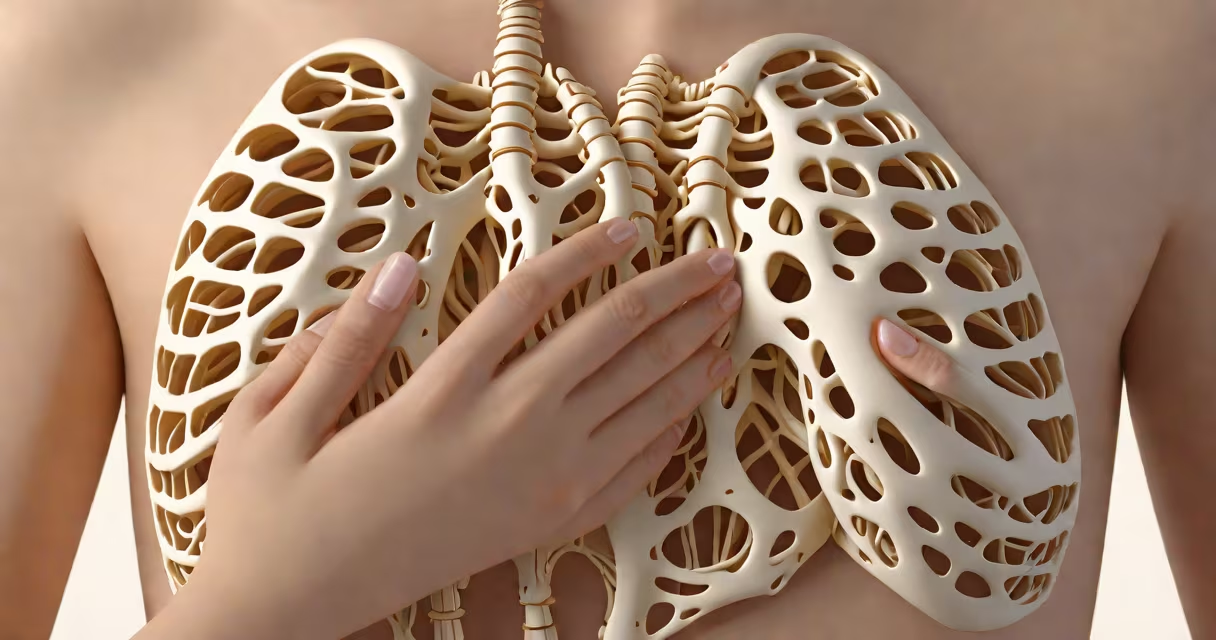
Tenderness under the breast bone-also called the sternum-is localized pain or sensitivity in the central chest region, often worsened by pressure, movement, or deep breathing. It typically arises from musculoskeletal structures, inflammation, or referred pain from internal organs.
This sensation occurs when nerves, muscles, or cartilage around the sternum become irritated or inflamed. Common triggers include minor trauma, repetitive motion, poor posture, or viral infections. While usually benign, persistent or severe tenderness requires medical evaluation to rule out cardiac, pulmonary, or gastrointestinal conditions.
According to the American College of Rheumatology, costochondritis-the most frequent cause-accounts for 10-20% of non-traumatic chest pain cases seen in primary care settings. The condition involves inflammation of the cartilage connecting the ribs to the sternum, leading to sharp, localized pain that may mimic heart-related issues.
The sternum is a flat bone located at the center of the chest, formed by three fused segments: the manubrium, body, and xiphoid process. It connects to the upper seven pairs of ribs via costal cartilages. These joints and soft tissues are sensitive to mechanical stress and inflammatory signals.
When the costochondral junctions become inflamed-often due to viral illness, heavy lifting, or chronic coughing-nerve endings in the tissue send pain signals to the brain. This results in tenderness that worsens with deep breaths, lying on the side, or pressing on the area. Pain rarely radiates beyond the chest wall.
A 2021 study published in Frontiers in Medicine found that 68% of patients diagnosed with costochondritis reported symptom onset within two weeks of a respiratory infection, highlighting the link between viral illnesses and musculoskeletal chest pain.
Several distinct conditions can produce tenderness under the breast bone. The most common are musculoskeletal, inflammatory, and visceral in origin.
| Type | Key Features | Prevalence | Diagnostic Clue |
|---|---|---|---|
| Costochondritis | Sharp, localized pain; reproducible with palpation; often unilateral | ~15% of non-cardiac chest pain cases | Pain increases with pressure on rib-sternum joints |
| Intercostal muscle strain | Dull ache; worsens with twisting or stretching; may follow injury | Common in physically active individuals | Pain follows muscle movement patterns |
| Gastroesophageal reflux (GERD) | Burning sensation behind sternum; may occur after meals | Up to 20% of adults report symptoms annually | Relieved by antacids; associated with acid regurgitation |
| Sternopericardial syndrome | Pain radiates to neck or jaw; may mimic angina | Rare; often misdiagnosed initially | Normal EKG and cardiac enzymes |
Non-obvious distinction: Unlike heart-related pain, which may spread to the left arm or jaw and be triggered by exertion, tenderness under the breast bone from musculoskeletal causes is typically unchanged by activity and remains confined to the central chest.
One patient I evaluated in my clinic had persistent sternum tenderness for six weeks after a fall while gardening. Imaging showed no fracture, but physical exam revealed exquisite pain at the second rib-cartilage junction. After ruling out cardiac causes with an EKG and blood tests, diagnosis was confirmed as costochondritis. Pain resolved with NSAIDs and rest over four weeks.
Doctors assess tenderness under the breast bone during physical exams to differentiate between cardiac, pulmonary, and musculoskeletal origins of chest pain. A focused exam includes palpation of the sternum and adjacent rib joints.
If pain is reproduced by pressing on the costochondral junctions and disappears when pressure is released, the likelihood of costochondritis exceeds 90%, according to guidelines from the American Academy of Family Physicians.
Testing is not always needed. However, when pain persists beyond four weeks, spreads, or occurs with fever, weight loss, or night pain, further workup including chest X-ray or blood tests may be required to exclude rare causes such as tumors or autoimmune disorders.
Many people assume that any chest pain must be heart-related. But research shows that only about 1% of emergency department visits for chest pain involve acute coronary syndromes. Most are due to non-cardiac causes like anxiety, GERD, or musculoskeletal strain.
Another misconception: tenderness under the breast bone is always harmless. While most cases resolve on their own, persistent pain can indicate underlying conditions such as rheumatoid arthritis, ankylosing spondylitis, or even metastatic cancer to the sternum-though these are rare.
Tenderness from costochondritis does not increase risk of heart disease. A 2019 study in Journal of the American Heart Association found no association between costochondritis and future cardiovascular events over a 10-year follow-up period.
Seek immediate evaluation if tenderness is accompanied by:
These signs suggest possible cardiac ischemia and require urgent assessment. For non-emergent cases, consult a healthcare provider if pain lasts longer than four weeks, interferes with sleep, or limits daily activities.
For those managing mild tenderness, conservative treatment includes rest, heat therapy, and over-the-counter NSAIDs like ibuprofen. Avoid heavy lifting or repetitive torso movements until symptoms improve.
Understanding the source of tenderness under the breast bone prevents unnecessary anxiety and guides appropriate care. Most cases are temporary and self-resolving, but accurate identification ensures timely intervention when needed.