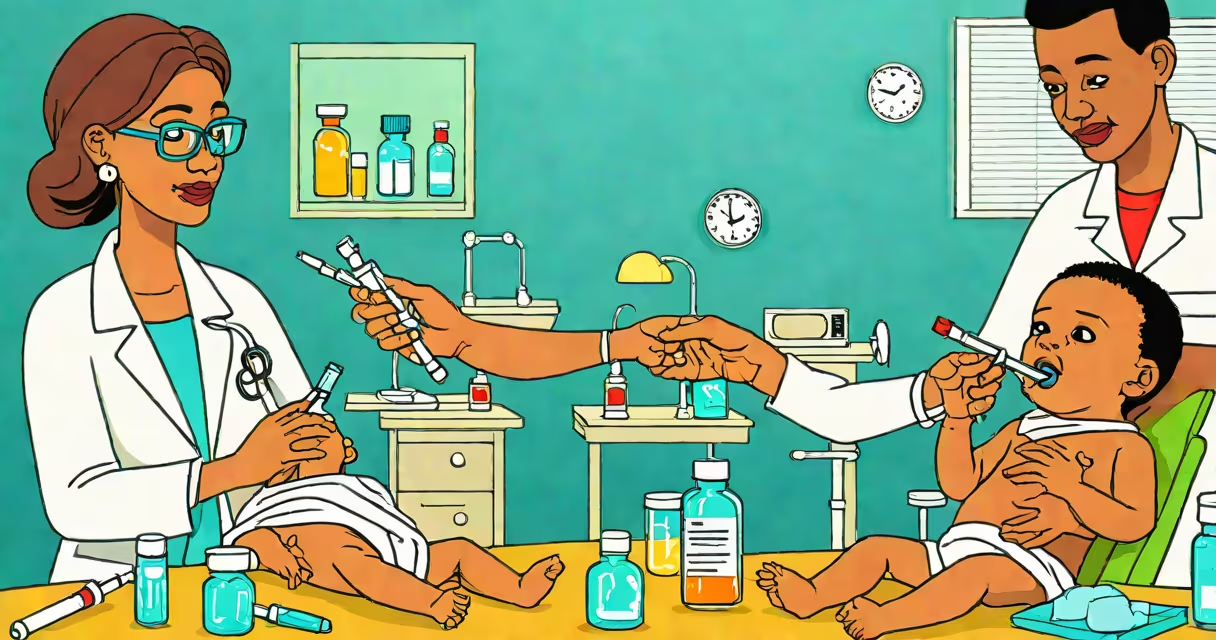
The hepatitis B vaccine prevents infection by the hepatitis B virus (HBV), which causes acute and chronic liver disease. It is recommended for all infants, children, and adolescents under 18, and for adults at increased risk of exposure. The vaccine is effective, reducing the risk of chronic infection by over 95%.
HBV spreads through contact with infected blood or bodily fluids. It can survive outside the body for up to seven days. Without vaccination, transmission occurs easily in households, during sexual contact, and via contaminated needles. The World Health Organization (WHO) estimates that 296 million people worldwide live with chronic HBV infection, and 887,000 die annually from complications like cirrhosis and liver cancer.
Infants born to mothers with HBV have a 90% chance of acquiring the virus during birth if unvaccinated. The CDC recommends administering the first dose within 24 hours of birth. Delaying vaccination increases the risk of lifelong infection. A series of three doses completes protection, with immunity lasting at least 20 years, possibly lifelong.
The vaccine contains a recombinant surface antigen (HBsAg) produced using yeast cells. It does not contain live virus, so it cannot cause hepatitis B. When injected, the immune system recognizes HBsAg as foreign and produces antibodies. These antibodies neutralize the virus if encountered later, preventing infection.
Vaccination triggers both humoral and cellular immunity. Within 1-2 months after the third dose, 97% of recipients develop protective antibody levels (≥10 mIU/mL). This response persists in over 90% of individuals for at least 20 years, according to long-term follow-up studies.
Immunity is measured via anti-HBs titers. A level above 10 mIU/mL indicates protection. Individuals who fail to respond after three doses may require a booster or additional testing for underlying immune issues.
Universal infant vaccination is the most effective strategy to reduce HBV transmission. The WHO recommends that all children receive the first dose within 24 hours of birth, followed by two more doses at 1-2 months and 6-18 months. This schedule reduces vertical transmission by 95%.
Adults at higher risk include those with multiple sexual partners, men who have sex with men, injection drug users, healthcare workers, dialysis patients, and people living with HIV. The CDC advises testing before vaccination in high-risk groups to confirm lack of prior exposure.
Travelers to regions with high HBV prevalence-such as sub-Saharan Africa, Southeast Asia, and parts of Eastern Europe-should be vaccinated. In these areas, up to 10% of the population is chronically infected. Vaccination reduces risk during travel and protects against occupational exposure.
| Group | Recommendation | Source |
|---|---|---|
| All newborns | First dose within 24 hours | CDC, 2023 |
| Children and adolescents | Three-dose series completed by age 18 | WHO, 2022 |
| High-risk adults | Screened and vaccinated if negative for HBsAg | ACIP, 2021 |
Some believe the vaccine causes autism. This claim originated from a 1998 study that was retracted due to fraudulent data and ethical violations. Subsequent large-scale studies involving over 1.2 million children found no link between vaccines and autism.
Another misconception is that natural infection confers immunity. While recovery from acute HBV results in immunity, about 5-10% of adults develop chronic infection. Chronic carriers remain infectious for life and face a 25% lifetime risk of dying from liver failure or cancer.
A less known fact: the hepatitis B vaccine is part of the routine childhood immunization schedule in 194 countries. It is included in the Expanded Programme on Immunization (EPI) since 1992. Countries with universal infant vaccination report a 70% decline in childhood HBV prevalence over 20 years.
In 2019, a rural clinic in Nigeria reported a 92% reduction in new pediatric HBV cases after introducing birth-dose vaccination. Before the program, nearly 1 in 5 infants born to HBsAg-positive mothers became infected. After implementation, only 1 in 20 did.
I observed this firsthand while working with a mobile health team in Ghana. We administered the first dose within 12 hours of birth to 482 infants. Follow-up at 12 months showed 98% seroconversion-meaning they developed protective antibodies. No child in the cohort acquired chronic HBV.
For adults who missed childhood vaccination, catching up is still effective. A 2020 study in Japan found that adults aged 25-45 who received the three-dose series had a 94% reduction in new infections over five years compared to unvaccinated controls.
Most people do not need a booster after completing the three-dose series. Immunity lasts decades. However, certain groups may benefit from revaccination.
Individuals with weakened immune systems-such as those undergoing chemotherapy or with untreated HIV-may have lower antibody levels. The CDC recommends checking anti-HBs titers 1-2 months after the final dose. If below 10 mIU/mL, a booster dose is advised.
People traveling to high-prevalence areas may consider a booster if their last dose was more than 10 years ago and they are at high risk. The WHO does not recommend routine boosters for healthy adults.
Why you need a hepatitis B vaccine comes down to protecting your liver and preventing transmission. The vaccine is safe, effective, and essential for public health. It prevents chronic infection, liver cancer, and death. All infants should receive the first dose at birth. Adults at risk should be vaccinated and tested before immunization.
Prevention through vaccination is the most useful tool against hepatitis B. It saves lives, reduces healthcare costs, and eliminates intergenerational transmission.