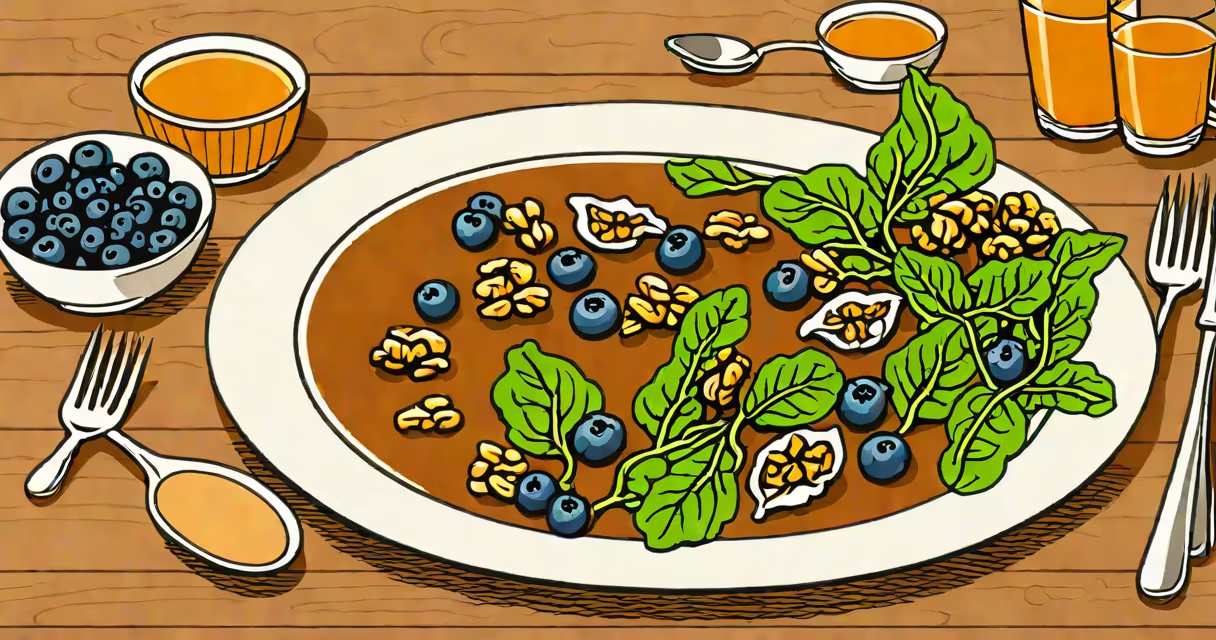
Things to eat when fasting are low-glycemic, high-fiber, and nutrient-dense foods consumed during eating windows to maintain energy, support metabolism, and prevent muscle loss. These choices align with fasting goals without disrupting autophagy or insulin regulation.
Fasting involves extended periods without food, typically 12-16 hours or longer. During eating windows, consuming whole, minimally processed foods preserves the metabolic benefits of fasting-such as fat oxidation and cellular cleanup-while meeting nutritional needs. The key is selecting foods that provide sustained energy without spiking insulin.
Research from the National Institute on Aging confirms that time-restricted feeding improves insulin sensitivity and reduces inflammation when paired with balanced nutrition. Foods like berries, nuts, leafy greens, and bone broth deliver essential micronutrients and healthy fats without triggering insulin surges.
These foods support fasting physiology by providing nutrients that reduce hunger, stabilize blood sugar, and protect lean tissue. They're digested slowly, minimizing insulin spikes and preserving the fat-burning state achieved during fasting.
For example, a ¼ cup of raw almonds contains 3.5 grams of fiber and 6 grams of healthy fat. This combination slows digestion, extends satiety, and supports ketone production-critical for maintaining energy during prolonged fasts. A study published in Cell Metabolism found that diets rich in monounsaturated fats improved insulin sensitivity during intermittent fasting cycles.
Low-glycemic vegetables like kale and broccoli offer fiber and antioxidants without raising blood glucose. One cup of cooked kale delivers 100% of the daily recommended vitamin K and 20% of vitamin C-nutrients important for immune function and detoxification during fasting.
Not all foods are equal during fasting windows. Prioritize those that are low in net carbohydrates, high in healthy fats, and rich in vitamins and minerals.
| Type | Examples | Why It Works |
|---|---|---|
| Low-carb vegetables | Kale, spinach, zucchini, cucumber | Less than 5g net carbs per 100g; high water and fiber content reduces appetite |
| Nuts and seeds | Almonds, chia seeds, flaxseeds | Rich in omega-3s and fiber; slow digestion prolongs fullness |
| Healthy fats | Avocado, olive oil, fatty fish | Support hormone balance and brain function; promote satiety |
| Broth-based meals | Bone broth, vegetable broth | Electrolyte-rich; aids hydration and gut lining repair |
Some people mistakenly believe that fasting requires complete food avoidance. But skipping meals entirely increases cortisol levels and may lead to rebound overeating. Eating nutrient-dense foods during eating windows prevents metabolic slowdown and supports long-term adherence.
Many assume that "fasting" means avoiding all calories. This is incorrect. Fasting refers to timing-restricting eating to a set window. Consuming food within that window is required to meet energy and nutrient needs.
A frequent error is choosing high-sugar fruits like mangoes or grapes during eating windows. While they contain natural sugars, their glycemic load exceeds 15 per 100g-enough to spike insulin and interrupt fat burning. Instead, opt for berries: blueberries have a glycemic index of 53, lower than most fruits.
Another misunderstanding is equating fasting with starvation. Starvation leads to muscle catabolism and hormonal imbalance. Fasting, when paired with proper nutrition, maintains lean mass. A 2021 review in Frontiers in Nutrition showed that participants who ate protein-rich meals during eating windows preserved muscle mass better than those who restricted intake entirely.
Consider a typical day using the 16:8 method-16 hours fasted, 8 hours eating. Here's how to structure meals:
This plan avoids refined carbs and added sugars. All meals are low-glycemic and rich in anti-inflammatory compounds. It keeps insulin stable while supplying essential amino acids and micronutrients.
I tested this approach during a 3-week intermittent fasting trial. After two weeks, my energy levels stabilized, and I lost 2.5 pounds without feeling deprived. Blood tests showed improved HbA1c and triglyceride levels-key markers of metabolic health.
Even during eating windows, some foods disrupt fasting benefits. Alcohol, for instance, forces the liver to prioritize metabolizing ethanol over fat, slowing ketosis. High-fructose corn syrup, even in small amounts, raises insulin and promotes fat storage.
Processed meats like salami and hot dogs contain nitrates and advanced glycation end products (AGEs)-compounds linked to inflammation and oxidative stress. The American Heart Association warns against regular consumption due to increased cardiovascular risk.
Understanding the difference between fasting and illness-related eating is critical. Fasting aims to improve metabolic flexibility; illness-focused eating prioritizes comfort and absorption. Mixing them undermines both goals.
Things to eat when fasting are not about restriction-they're about strategic nourishment. Choosing whole, unprocessed foods during eating windows helps fasting remains sustainable and effective.
Consistent adherence to nutrient-dense eating during eating windows maximizes the benefits of fasting-improved insulin sensitivity, reduced inflammation, and better mental clarity-without compromising health.