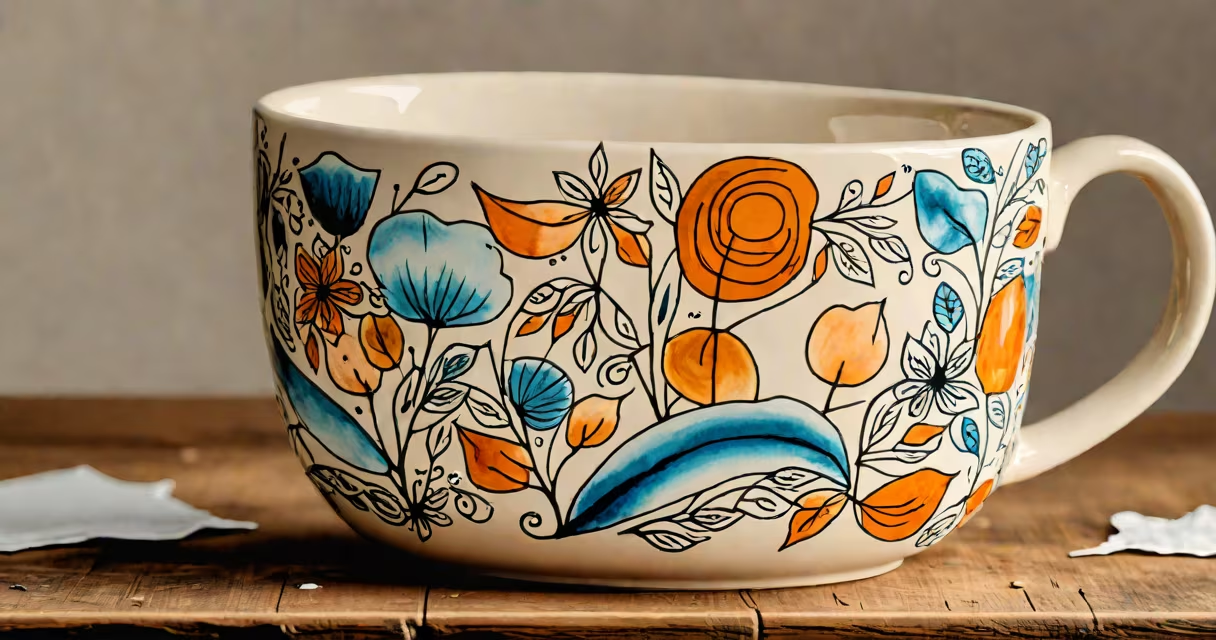
Unique products to sell are physical or digital items designed around specific customer needs, personal expertise, or rare materials that differentiate them from mass-market alternatives. These items solve problems in novel ways, reflect individual creativity, or serve specialized audiences. They often emerge from a creator's direct experience rather than market research alone.
Unlike generic goods sold on major retailers, unique products to sell avoid direct competition by focusing on specificity. A handmade leather journal made with locally sourced hides, for example, appeals to customers seeking authenticity and craftsmanship. The product isn't just functional-it carries a story, a process, and a connection to place and maker.
According to the U.S. Small Business Administration, 80% of small businesses fail within ten years. Many of those failures stem from selling undifferentiated goods. In contrast, businesses centered on unique products to sell report higher retention rates because their offerings create emotional attachment. A 2023 study by Shopify found that niche product sellers had 3.2x higher average order values than those offering standard items.
These products succeed by aligning with a narrow audience's identity, values, or lifestyle. They aren't created to appeal to everyone. Instead, they target people who see themselves in the product's design, origin, or purpose. This focus reduces marketing friction and increases perceived value.
For example, a designer in Portland creates limited-run ceramic planters shaped like local tree species. Each piece includes a QR code linking to a short audio recording of forest sounds from the region where the tree grows. The product isn't just a container-it's a sensory experience tied to place. Customers don't buy it for utility alone; they buy it to feel connected to nature and community.
When a product serves a precise need or identity, it becomes harder to replace. A customer who buys a custom-designed hiking backpack tailored to their body measurements won't easily switch to a store-bought model. The fit, weight distribution, and personalization reduce fatigue during long treks. This level of customization is difficult to replicate at scale.
Products fall into four core categories based on creation method and material source:
| Type | Examples | Key Differentiator |
|---|---|---|
| Handcrafted | Wooden spoons carved by hand, hand-stitched quilts | Each unit varies slightly due to artisan process |
| Customized | Personalized maps of a city based on a customer's travel history | Algorithms or manual input tailor output to user data |
| Specialty Materials | Jewelry made from recycled aircraft aluminum | Use of uncommon or reclaimed resources adds scarcity |
| Digital Creations | Printable wedding invitation templates with animated elements | No physical inventory; instant delivery via email |
Many successful creators blend multiple types. A jewelry artist might use recycled metal (specialty material), hand-finish each piece (handcrafted), and offer engraving options (customized). This layered approach strengthens brand identity and justifies premium pricing.
These products thrive in environments where trust, storytelling, and authenticity matter. Etsy, Instagram, and niche forums host communities where buyers seek items with meaning beyond function. A 2022 report from Pew Research Center found that 68% of U.S. adults aged 18-34 prefer buying from brands that share their values-even if prices are higher.
Consider a woman in Austin who sells "climate grief" art prints. Each print features a weather pattern from a year marked by extreme events-like the 2020 California wildfires. She uses real NOAA climate data to generate visual patterns. Buyers don't just hang them on walls-they use them to start conversations about environmental loss. The product functions as both art and activism.
Another example: a former teacher in Minnesota began selling tactile learning kits for children with dyslexia. Each kit includes textured letters, sound cards, and a guided activity booklet. He developed the system through years of classroom observation. The product isn't available on Amazon. It's sold through his website and at special education expos. His customers include parents and therapists who value evidence-based design.
Many assume that uniqueness requires novelty or invention. That's incorrect. A product can be unique without being new. A vintage-style bicycle bell made from salvaged brass is not a new idea-but its production method (using only scrap metal from local factories) makes it distinct. The difference lies in intent and sourcing, not originality.
Another misconception is that unique products to sell must be expensive. A $12 hand-sewn tote bag made from repurposed denim from a local clothing factory may cost less than a $25 mass-produced version. But it carries a lower carbon footprint and supports local labor. Price doesn't define uniqueness-value does.
One non-obvious fact: many successful unique products to sell begin as side projects. A man in Seattle started making custom bookends from old vinyl records while working a full-time job. He posted photos on Reddit. Within six months, he had 1,200 orders. He didn't have a business plan-he had a prototype, a clear audience, and a consistent workflow. His success came from iterating quickly, not from initial funding.
I built a set of illustrated flashcards for learning Japanese pronunciation. I'm not a linguist-I'm a graphic designer who studied Japanese in college. I noticed that learners struggled with vowel length and consonant clusters. So I created a deck showing mouth shapes, sound duration, and common phrases.
Each card used a consistent color scheme and minimal text. I printed 50 copies on recycled paper and sold them at a local craft fair. One attendee bought five sets and later shared them with her language school. Within three months, I had 230 sales through my website. The product wasn't complex-it was simple, focused, and grounded in a real pain point.
Start by listing your skills, hobbies, or frustrations. Ask: "What do I know better than most people?" If you've spent years gardening, consider selling seed packets labeled with regional planting calendars. If you're fluent in two languages, create bilingual flashcards for travelers.
Test the idea with a small batch. Make five units. Share them with friends or on social media. Track feedback. If people ask to buy more, you've found a viable product. Don't wait for perfection. Launch early. Iterate fast.
Unique products to sell aren't about inventing something never seen before. They're about solving a problem in a way that feels personal, intentional, and authentic. When you build from what you know and care about, your product stands out-not because it's flashy, but because it's real.