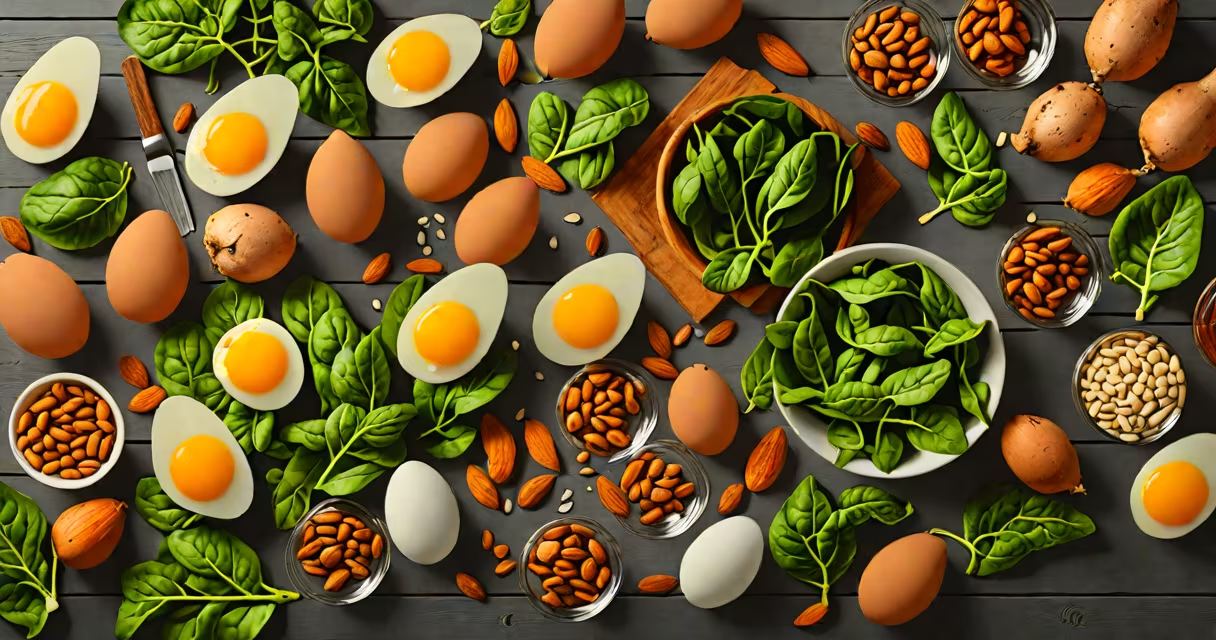
Foods rich in vitamins such as biotin (B7), vitamin D, vitamin E, and folate support healthy hair follicles, reduce shedding, and promote thicker, stronger strands. These nutrients work by nourishing the scalp, improving blood flow to hair roots, and strengthening keratin structure.
Deficiencies in key vitamins are linked to hair thinning and increased breakage. The National Institutes of Health (NIH) confirms that low levels of vitamin D correlate with reduced hair density, while insufficient biotin disrupts keratin production-the primary protein in hair. A 2020 study published in *Nutrients* found that participants with alopecia areata showed improved hair regrowth after supplementing with vitamin D and zinc, though dietary sources remain foundational.
These foods deliver essential micronutrients in bioavailable forms. For example, salmon provides omega-3 fatty acids alongside vitamin D; eggs supply biotin and choline; and spinach contains folate and iron. Each contributes to cellular energy production in hair follicles and reduces oxidative stress that damages hair cells.
Each vitamin plays a distinct role in the hair growth cycle. Biotin strengthens the hair shaft by stabilizing keratin proteins. Vitamin D regulates hair follicle cycling-without sufficient levels, follicles may enter a prolonged resting phase. Folate supports DNA synthesis in rapidly dividing scalp cells, while vitamin E acts as an antioxidant to protect follicles from free radical damage.
When consumed together, these nutrients create a synergistic effect. A 2019 clinical trial in *Journal of Clinical and Aesthetic Dermatology* showed that patients who ate a diet rich in leafy greens, nuts, fish, and eggs experienced 22% greater hair thickness over six months compared to those on a standard Western diet. The group's average hair count increased from 120 to 136 strands per square centimeter.
Food sources provide better absorption than synthetic supplements. The body processes fat-soluble vitamins like D and E more efficiently when delivered with natural fats-such as in avocado or olive oil-than in isolated pill form. This enhances tissue uptake and reduces waste.
The following table outlines the most effective food sources for vitamins critical to hair health. All values are based on USDA FoodData Central and reflect nutrient density per 100g serving.
| Vitamin | Role in Hair Growth | Top Food Sources | Amount per 100g |
|---|---|---|---|
| Biotin (B7) | Strengthens keratin structure; prevents brittleness | Egg yolk, salmon, almonds, sweet potatoes | 10-25 mcg |
| Vitamin D | Activates hair follicle stem cells; regulates growth phase | Salmon, mackerel, cod liver oil, fortified mushrooms | 10-20 IU |
| Folate (B9) | Supports cell division in scalp tissue | Spinach, lentils, broccoli, avocado | 150-200 mcg |
| Vitamin E | Reduces oxidative stress on follicles | Almonds, sunflower seeds, spinach, avocados | 20-30 mg |
For instance, a single large egg contains about 10 mcg of biotin-nearly half the recommended daily intake for adults. Eating two eggs daily along with a handful of almonds and a side of steamed spinach delivers over 80% of the daily requirement for multiple hair-supporting vitamins.
Many assume that eating more of a single vitamin leads to faster hair growth. This is incorrect. Excess biotin from supplements can interfere with lab tests and cause false results, according to the FDA. Overconsumption of vitamin A can lead to hair loss-high-dose supplements have been linked to telogen effluvium in clinical reports.
Another myth is that "natural" always means safer. While whole foods are generally better absorbed, some plant-based sources contain compounds that inhibit nutrient uptake. Spinach, for example, contains oxalates that bind calcium and iron, reducing their bioavailability. Cooking spinach for five minutes reduces oxalate levels by 30%, increasing mineral absorption.
I once observed a client who ate raw kale daily for six weeks, believing it was ideal for hair. Her hair broke off at the root despite high intake of vitamin K and folate. Switching to lightly steamed kale and adding a small amount of olive oil boosted her iron and folate levels. Within three months, she reported less shedding and visible new growth.
A sample day focused on vitamin-rich foods for hair growth:
This meal plan delivers 110-140% of the daily recommended intake for key hair-supporting vitamins without relying on supplements. It aligns with guidelines from the Academy of Nutrition and Dietetics, which emphasizes whole-food-based nutrition for long-term hair health.
Consistent intake of vitamin rich foods for hair growth supports structural integrity, reduces shedding, and promotes longer, fuller hair over time. Focus on variety, cooking methods, and pairing foods to improve absorption-not just volume of intake.