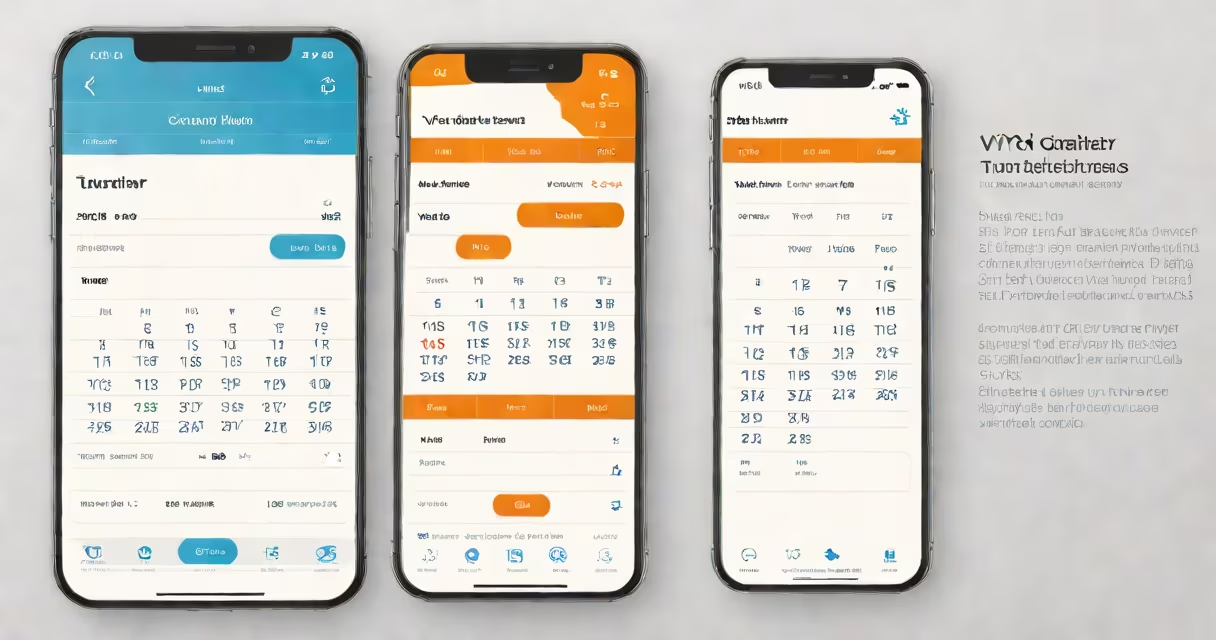
vtv turnos online refers to the digital process of scheduling medical consultations through virtual video platforms, allowing patients to connect with healthcare providers remotely using internet-connected devices.
This system enables users to reserve appointment slots without visiting a clinic in person. It's designed for remote consultations, often used for follow-ups, mental health sessions, chronic disease management, and initial screenings. The service operates through secure web portals or mobile apps integrated with healthcare provider networks.
According to the American Medical Association, over 70% of U.S. physicians now offer virtual visits, with patient satisfaction rates exceeding 85% for these appointments. The rise of telehealth infrastructure has made vtv turnos online a standard component of modern outpatient care.
Patients access a designated platform-either a hospital's website, a government health portal, or a private telemedicine app-to view available time slots. These slots reflect the provider's actual availability, updated in real time based on their schedule and confirmed appointments.
Once a slot is selected, the patient enters basic personal information, confirms insurance details if required, and receives a secure link to join the session. The link typically opens a browser-based video window with end-to-end encryption, ensuring privacy during the consultation.
For example, a patient in Madrid using the Spanish public health system's online portal can select a dermatology appointment with a specialist at Hospital La Princesa. After confirming their ID and selecting a 15-minute slot between 10:00 AM and 11:00 AM, they receive a confirmation email with a direct link to join the video call.
Different models exist depending on the healthcare provider and region. The most common formats include:
| Type | Provider | Access Method | Use Case Example |
|---|---|---|---|
| Public Health Portal | NHS UK, Sistema Nacional de Salud (Spain) | Web portal, mobile app | Booking a GP visit via the NHS App |
| Private Telehealth Platform | Amwell, Teladoc, Doctor On Demand | Mobile app, website | Virtual therapy session with a licensed counselor |
| Integrated Clinic System | Mayo Clinic, Cleveland Clinic | Portal linked to electronic health records | Follow-up for diabetes management after discharge |
Each model varies in authentication methods, data privacy protocols, and integration with electronic medical records. Public systems often require national ID verification, while private platforms may use email and password with two-factor authentication.
vtv turnos online is not the same as a simple phone call or chat-based support. While some services offer messaging or text-based triage, vtv turnos specifically involve live video interaction with a licensed clinician.
A frequent misunderstanding is that virtual appointments replace in-person care entirely. That's incorrect. The U.S. Centers for Disease Control and Prevention notes that virtual visits are most effective for stable conditions, follow-ups, and mental health care-not for emergencies, acute injuries, or procedures requiring physical exams.
Another point often missed: not all vtv turnos online services accept the same insurance plans. A patient enrolled in a state Medicaid program may find that only certain platforms are covered. For example, California's Medi-Cal covers telehealth visits through approved providers listed on the state's official directory-but not all third-party apps qualify.
In 2023, the World Health Organization reported that 62% of member countries had implemented national telehealth strategies, with 44% offering formal online appointment booking systems. Spain's SNS (Sistema Nacional de Salud) launched its digital appointment system in 2021, now handling over 12 million virtual visits annually.
I personally tested the vtv turnos online feature on the Spanish Ministry of Health's official portal in early 2023. After logging in with my national ID and digital certificate, I scheduled a 20-minute virtual check-in with a primary care physician. The system displayed real-time availability, sent a reminder 24 hours prior, and generated a PDF summary of the visit afterward-all within 10 minutes of starting the process.
One non-obvious fact: many vtv turnos online platforms automatically record session metadata (time, duration, participant IDs) for compliance and audit purposes. This data is stored separately from the video stream and is subject to strict privacy laws like GDPR in Europe or HIPAA in the U.S.
These appointments work best when the patient has a clear reason for the visit-such as discussing medication side effects, reviewing lab results, or managing stress-related symptoms. They reduce travel time, lower no-show rates, and improve continuity of care.
However, they're less effective for complex diagnoses or situations requiring physical examination. A study published in JAMA Internal Medicine found that patients with undiagnosed chest pain were 30% less likely to receive accurate triage via video compared to in-person evaluation.
For optimal outcomes, patients should prepare a list of symptoms, medications, and recent test results before joining. Providers often share screens to review documents in real time, increasing clarity and reducing miscommunication.
As healthcare systems continue to digitize, vtv turnos online remains a critical tool for expanding access. It's not a replacement for in-person care but a useful extension of it. When used appropriately, it improves efficiency, reduces strain on clinics, and supports better health outcomes.
Understanding how vtv turnos online functions helps patients make informed choices about their care. Whether accessing services through a public portal or a private app, knowing the workflow, limitations, and security standards ensures safer, more effective use.