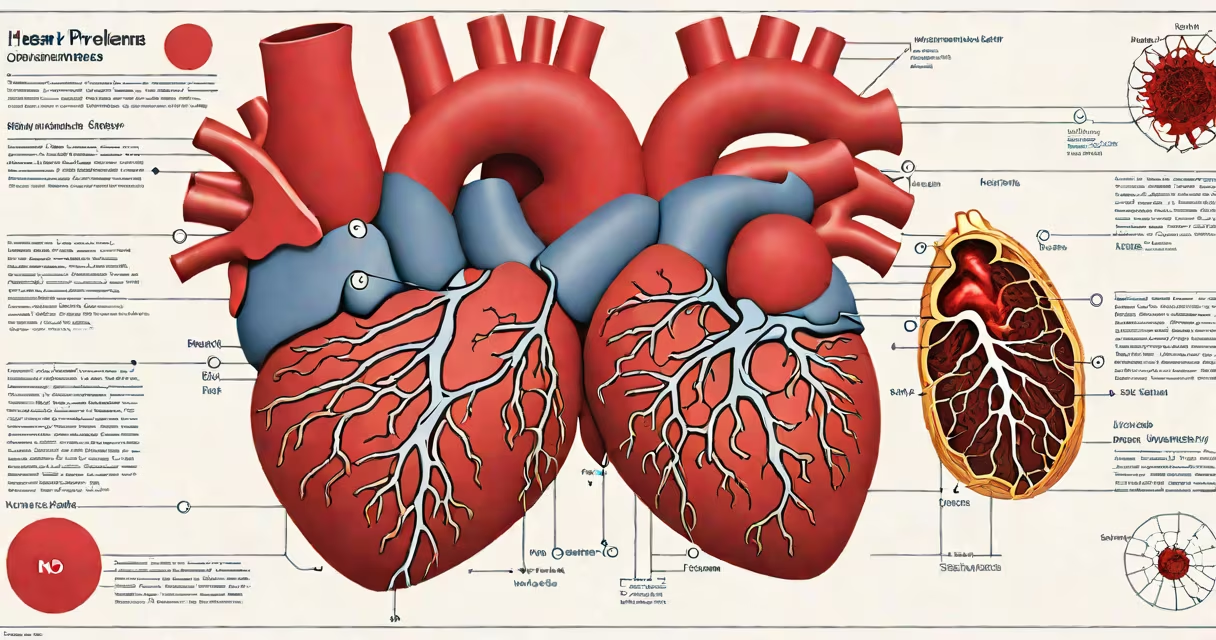
Heart problems refer to diseases affecting the heart's structure or function, including coronary artery disease, heart attacks, arrhythmias, and heart failure. These conditions disrupt blood flow, weaken the heart muscle, or interfere with electrical signals that control heartbeat.
Coronary artery disease (CAD) occurs when plaque builds up in the arteries supplying blood to the heart. This narrowing restricts oxygen-rich blood, leading to chest pain (angina) or a heart attack when blood flow stops completely. According to the American Heart Association, CAD causes about 600,000 new heart attacks annually in the U.S., making it the most common type of heart problem.
Arrhythmias involve irregular heartbeats-too fast (tachycardia), too slow (bradycardia), or erratic. Atrial fibrillation, the most common arrhythmia, increases stroke risk by fivefold. The Centers for Disease Control and Prevention reports that nearly 3 million Americans live with atrial fibrillation, often without noticeable symptoms until complications arise.
The heart pumps blood through a network of arteries and veins. When this system fails due to blockages, weakened muscle, or electrical misfires, heart problems emerge. Risk factors include high blood pressure, high cholesterol, smoking, diabetes, obesity, and sedentary lifestyle. Genetics also play a role-some people inherit conditions like hypertrophic cardiomyopathy, which thickens heart muscle and impairs pumping ability.
Damage often begins silently. For example, atherosclerosis-the hardening of arteries-develops over years without symptoms. By the time chest pain appears, significant blockage may already exist. Early detection through routine screenings such as electrocardiograms (ECGs) or stress tests can identify issues before they progress to emergencies.
A 2022 study published in Circulation found that 40% of adults with undiagnosed hypertension had early signs of left ventricular hypertrophy, a condition where the heart's main pumping chamber thickens. This change increases the risk of heart failure and sudden cardiac death, even in otherwise healthy individuals.
Understanding the different forms helps clarify diagnosis and treatment. Below is a breakdown of key conditions:
| Type | Key Features | Prevalence in U.S. | Common Symptoms |
|---|---|---|---|
| Coronary Artery Disease (CAD) | Plaque buildup in heart arteries | ~1 in 10 adults | Chest pressure, shortness of breath, fatigue |
| Heart Attack (Myocardial Infarction) | Complete blockage causing tissue death | ~600,000 cases/year | Severe chest pain, cold sweat, nausea |
| Atrial Fibrillation | Irregular, rapid heartbeat | ~3 million people | Palpitations, dizziness, weakness |
| Heart Failure | Heart cannot pump effectively | ~6.2 million adults | Shortness of breath, swelling in legs |
Heart attacks typically occur when a clot blocks a coronary artery. The resulting lack of oxygen kills heart muscle cells within minutes. Without prompt treatment-such as angioplasty or thrombolytic drugs-damage becomes permanent. Survival rates drop sharply beyond 90 minutes from symptom onset.
Heart failure does not mean the heart stops-it means it cannot meet the body's demand for blood. It often develops slowly after years of untreated hypertension or prior heart damage. The New York Heart Association classifies severity from Class I (no limitation) to Class IV (symptoms at rest).
Many assume heart problems only affect older men. In reality, women face higher mortality rates after a heart attack. The American Heart Association notes that women are 50% more likely to die within a year of a heart attack compared to men, partly because symptoms differ-women report fatigue, nausea, and jaw pain more than chest pain.
Another misconception is that chest pain always signals a heart issue. While chest discomfort is a red flag, it can stem from musculoskeletal strain, acid reflux, or anxiety. However, persistent pressure or squeezing in the center of the chest lasting more than 10 minutes warrants immediate medical evaluation.
One underappreciated fact: arm pain-especially left arm pain-is a classic sign of heart attack. The heart shares nerve pathways with the left arm. When the heart is deprived of blood, pain radiates along these shared nerves. A 2019 study in Journal of the American College of Cardiology found that 65% of heart attack patients reported left arm pain, often described as aching or heavy.
I once witnessed a patient arrive at the ER clutching his left arm, claiming he'd strained it lifting boxes. After a quick ECG revealed ST-elevation myocardial infarction, he was rushed to cath lab. He survived-but only because the team recognized the atypical presentation. This case underscores why symptoms must be evaluated, not assumed.
Immediate care is critical for suspected heart problems. The American Heart Association recommends calling emergency services if someone experiences chest pain lasting longer than five minutes, especially with sweating, nausea, or shortness of breath.
Diagnosis relies on clinical history, physical exam, and testing. An ECG detects abnormal electrical patterns. Blood tests measure troponin levels-proteins released when heart muscle is damaged. Imaging like echocardiograms or CT angiography visualizes blockages or structural abnormalities.
For example, a 58-year-old man with a history of smoking and high cholesterol presented with crushing chest pain. His ECG showed ST elevations in leads II, III, and aVF-indicating inferior wall heart attack. Troponin levels were elevated. He underwent emergency angioplasty, restoring blood flow within 45 minutes. His recovery was successful, highlighting the importance of timely intervention.
Some heart problems develop gradually. Hypertension, for instance, often goes unnoticed until it causes stroke or kidney failure. Regular checkups are essential-even if you feel fine. The CDC advises adults over 40 to have blood pressure checked at least once a year.
Heart problems encompass many conditions affecting the heart's structure, function, or blood supply. Early recognition of symptoms-whether chest pain, arm discomfort, or unexplained fatigue-leads to faster treatment and better outcomes. Understanding what are some heart problems helps individuals take proactive steps toward prevention and care.