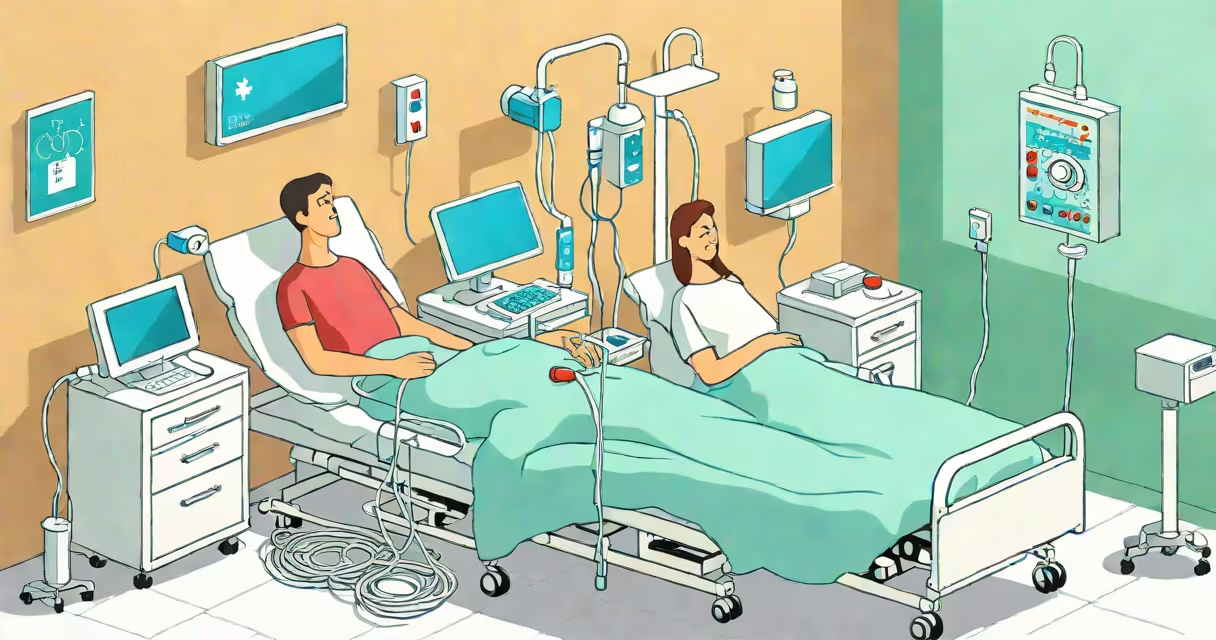
Sepsis in adults is a life-threatening response to infection that occurs when the body's immune system overreacts, triggering widespread inflammation and organ dysfunction. It develops rapidly and requires immediate medical attention. The signs include fever or hypothermia, elevated heart rate, rapid breathing, confusion, and low blood pressure.
When an infection spreads through the bloodstream, the immune system releases chemicals to fight it. These chemicals can trigger systemic inflammation, leading to tissue damage, organ failure, and death if untreated. Sepsis affects over 1.7 million Americans annually, with a mortality rate of 15-30%, according to the Centers for Disease Control and Prevention (CDC).
Early recognition is critical. Delayed treatment increases the risk of death by 7.6% per hour, per a 2020 study published in Critical Care Medicine. Prompt intervention reduces mortality by nearly half. The most effective strategy is identifying sepsis before it progresses to septic shock.
Sepsis begins with an infection-bacterial, viral, fungal, or parasitic-that enters the bloodstream. Common sources include pneumonia, urinary tract infections, skin wounds, and abdominal infections. Once pathogens circulate, they activate immune cells, which release cytokines and other inflammatory mediators.
These substances cause blood vessels to dilate and become leaky. Blood pressure drops, organs receive less oxygen, and metabolic waste builds up. This cascade leads to cellular stress, impaired function, and eventually multi-organ failure. The process can unfold within hours.
For example, a 62-year-old man with untreated urinary tract infection developed sepsis after three days of worsening fatigue and chills. His temperature rose to 103°F, his breathing rate reached 28 breaths per minute, and he became disoriented. He was admitted to the ICU with septic shock and required vasopressor support. Early diagnosis prevented further deterioration.
The most consistent signs of sepsis in adults appear across multiple systems. The Sepsis-3 criteria, established by the European Society of Intensive Care Medicine and the Society of Critical Care Medicine, define sepsis as life-threatening organ dysfunction caused by a dysregulated host response to infection.
Core indicators include:
These signs are often grouped under the "Sepsis Six" protocol used in UK emergency departments. It includes checking blood pressure, respiratory rate, heart rate, temperature, urine output, and level of consciousness. A score of 3 or more on this checklist indicates high risk for sepsis.
| Sign | Normal Range | Red Flag Threshold |
|---|---|---|
| Temperature | 98.6°F - 100.4°F | >101.3°F or <96.8°F |
| Heart Rate | 60-100 bpm | >90 bpm |
| Respiratory Rate | 12-20 breaths/min | >22 breaths/min |
| Blood Pressure | 120/80 mmHg | Systolic <100 mmHg |
| Lactate Level | <1 mmol/L | >2 mmol/L |
Confusion is a particularly dangerous sign. A 2019 study in JAMA Internal Medicine found that altered mental status in older adults with infection increased the likelihood of sepsis by 5.3 times compared to those without cognitive changes.
Many people mistake sepsis for a severe infection or flu. Sepsis is not simply "bad bacteria." It is a systemic reaction that can occur even with mild infections. For example, a urinary tract infection that causes only mild discomfort can progress to sepsis in someone with diabetes or weakened immunity.
Another misconception is that sepsis only affects the elderly. While older adults are at higher risk, sepsis can strike anyone. A 2021 CDC report showed that 30% of sepsis cases occurred in individuals under 65 years old. Younger patients may present with subtle signs like fatigue or dizziness, delaying diagnosis.
Some assume that antibiotics alone treat sepsis. While antibiotics are essential, sepsis management requires fluid resuscitation, vasopressors, and intensive monitoring. Delaying these interventions worsens outcomes. A 2022 study in Annals of Intensive Care found that patients who received antibiotics within one hour of sepsis suspicion had a 30% lower mortality rate than those treated later.
If an adult develops a fever with chills, rapid breathing, confusion, or cold extremities, especially after recent surgery, illness, or injury, seek emergency care. These are not normal responses-they signal a failing system.
I once observed a 45-year-old woman arrive at the ER with a persistent cough and high fever. She reported feeling "off" for two days. Her vitals showed a heart rate of 118 bpm, respiratory rate of 26 breaths per minute, and blood pressure of 92/60 mmHg. Lactate was 3.1 mmol/L. She was diagnosed with sepsis from pneumonia and stabilized within six hours of admission. Early recognition saved her life.
Use the "Sepsis Awareness" campaign tools from the CDC to assess risk. If three or more of the following are present, call emergency services: fever or low body temperature, rapid pulse, rapid breathing, confusion, or low blood pressure.