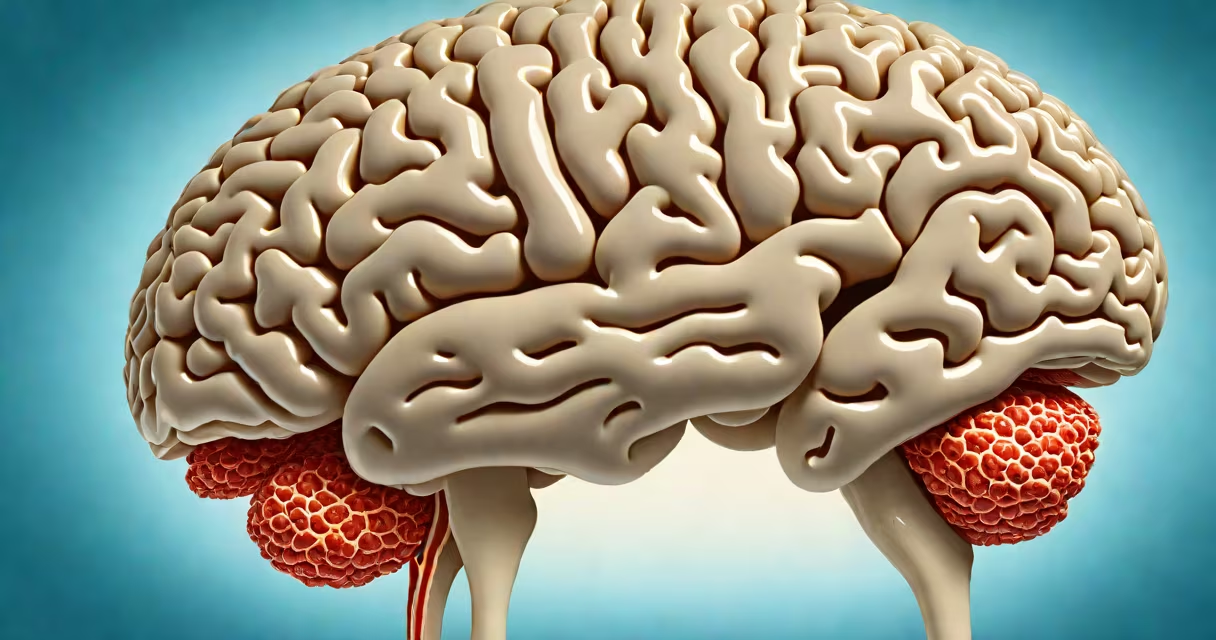
Brain swelling, medically known as cerebral edema, occurs when excess fluid accumulates in brain tissue, increasing intracranial pressure. This condition can result from trauma, stroke, infections, tumors, or metabolic imbalances. Left untreated, it may lead to permanent damage or death.
Cerebral edema develops when the blood-brain barrier becomes compromised or when cellular processes fail to regulate fluid balance. The brain's rigid skull limits expansion, so even small increases in volume raise pressure rapidly. Symptoms include headache, nausea, confusion, seizures, and loss of consciousness. Immediate medical evaluation is essential.
According to the National Institute of Neurological Disorders and Stroke (NINDS), cerebral edema affects approximately 10% of patients with severe traumatic brain injury and contributes to poor outcomes in up to 30% of stroke cases. Early recognition and treatment reduce mortality.
Fluid enters brain tissue through two primary pathways: vasogenic and cytotoxic edema. Vasogenic edema happens when blood vessels leak fluid into surrounding brain tissue, often due to trauma, tumors, or inflammation. Cytotoxic edema involves cells absorbing fluid internally, typically during ischemia or hypoxia, such as after a cardiac arrest or prolonged low oxygen levels.
A third form, interstitial edema, occurs when cerebrospinal fluid builds up in the ventricles and leaks into brain tissue, usually seen in hydrocephalus. This type is less common but still clinically significant.
For example, a 45-year-old man who suffered a fall and hit his head developed worsening headaches and vomiting within six hours. A CT scan revealed a subdural hematoma compressing the left frontal lobe, leading to vasogenic edema. He required emergency craniotomy to relieve pressure and prevent herniation.
Several conditions trigger brain swelling through distinct mechanisms:
| Condition | Primary Mechanism | Typical Onset | Key Risk Factors |
|---|---|---|---|
| Traumatic brain injury | Vasogenic edema from ruptured blood vessels | Minutes to hours post-injury | High-impact accidents, falls, sports injuries |
| Ischemic stroke | Cytotoxic edema from oxygen deprivation | Hours after onset | Hypertension, diabetes, atrial fibrillation |
| Brain tumor | Vasogenic edema around mass lesion | Days to weeks | History of cancer, genetic predisposition |
| Encephalitis | Inflammatory vasogenic edema | Hours to days | Viruses (herpes simplex, West Nile), autoimmune disorders |
| Hyponatremia | Cytotoxic edema from low sodium | Hours to days | Excessive water intake, SIADH, certain medications |
Each cause requires a different diagnostic approach and treatment plan. For instance, hyponatremia-induced edema responds to careful sodium correction, while stroke-related swelling may require thrombolytic therapy or decompressive surgery.
One overlooked factor is high-altitude cerebral edema (HACE), which occurs in climbers above 2,500 meters. It results from hypoxic stress causing capillary leakage. A 2021 study in The New England Journal of Medicine reported that HACE accounts for 10% of fatal altitude-related incidents despite being preventable with acclimatization and dexamethasone prophylaxis.
Brain swelling is often mistaken for migraines, meningitis, or psychiatric episodes due to overlapping symptoms like headache and altered mental status. However, unlike migraines, which resolve with rest and medication, brain swelling progresses rapidly and requires imaging confirmation.
Swelling in other areas-like gum swelling or lip swelling-shares the term "swelling" but differs fundamentally in location, mechanism, and urgency. Gum swelling typically stems from bacterial infection or poor oral hygiene. Lip swelling may arise from allergic reactions, insect bites, or herpes simplex virus. These conditions rarely affect intracranial pressure.
For example, a patient presenting with facial swelling and difficulty breathing was initially diagnosed with angioedema. After intubation and steroid administration, imaging revealed a brain abscess causing secondary swelling. Misdiagnosis delayed treatment by 12 hours. This case underscores the importance of distinguishing localized swelling from central nervous system pathology.
Any sudden onset of severe headache, vomiting, confusion, or weakness warrants immediate evaluation. Brain swelling is a neurological emergency. Delaying care increases the risk of irreversible brain damage.
I once observed a 60-year-old woman with a history of lung cancer develop progressive lethargy. Her family dismissed it as fatigue until she stopped responding. An MRI showed a metastatic tumor with significant surrounding edema. She received dexamethasone and underwent radiation therapy. Her recovery was partial, but early intervention preserved function.
Early diagnosis saves lives. NINDS recommends that all suspected cases undergo urgent neuroimaging-preferably CT or MRI-to assess for hemorrhage, mass effect, or structural changes. Treatment depends on the underlying cause but often includes corticosteroids, osmotic agents like mannitol, or surgical decompression.
Understanding what can cause brain swelling enables faster recognition and better outcomes. Identifying the root cause-whether trauma, stroke, infection, or metabolic disturbance-is critical for effective management. Prompt action prevents complications and improves survival rates.
Recognizing the signs of brain swelling and seeking immediate medical attention can prevent long-term disability. Knowing the difference between brain swelling and other forms of swelling-such as gum or lip swelling-helps avoid misdiagnosis. Early intervention remains the most effective strategy against this life-threatening condition.