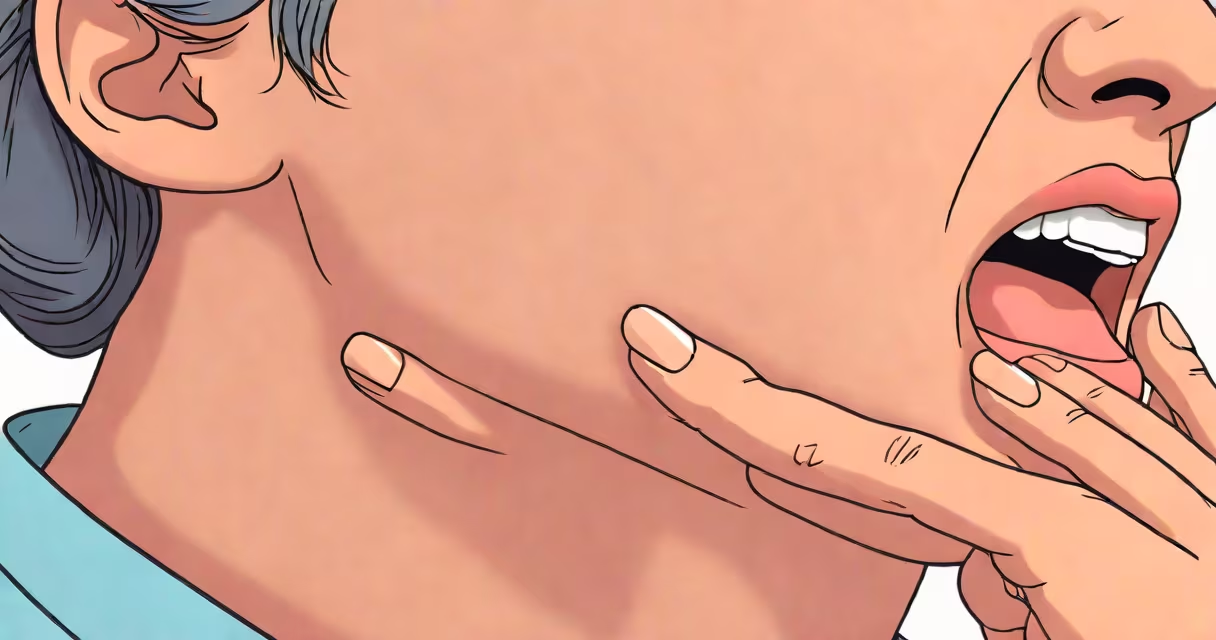
A sudden sensation of throat closure occurs when the airway narrows or collapses, making breathing difficult. This can result from allergic reactions, infections, neurological events, or muscle spasms. Immediate medical attention is required if breathing becomes compromised.
Throat closure is not a single condition but a symptom of several distinct underlying issues. The sensation may feel like something is tightening around the neck, blocking airflow. It often happens rapidly and can progress to life-threatening airway obstruction. The most urgent causes involve swelling or spasm in the upper airway structures, including the epiglottis, vocal cords, or larynx.
According to the American Academy of Otolaryngology-Head and Neck Surgery, acute airway obstruction accounts for nearly 10% of emergency department visits related to respiratory distress. The body's response to threats-whether allergens, pathogens, or trauma-triggers protective mechanisms that can sometimes go too far, leading to actual airway closure.
The airway begins at the nose and mouth, travels through the pharynx, then passes through the larynx-the voice box-before entering the trachea. The larynx contains the vocal cords and the epiglottis, a flap that covers the windpipe during swallowing. When these structures swell or spasm, they restrict airflow.
Swelling occurs when immune cells release histamine in response to allergens or infections. This fluid buildup increases pressure inside the airway, compressing the passageway. Spasms happen when nerves misfire, causing muscles to contract involuntarily. Laryngospasm-a sudden, forceful contraction of the vocal cords-is a common cause of perceived throat closure in otherwise healthy individuals.
For example, a patient undergoing general anesthesia may develop laryngospasm during emergence from sedation. The airway closes abruptly, causing gasping and stridor (a high-pitched sound on inhalation). This event requires immediate intervention, such as positive pressure ventilation or administration of muscle relaxants, to restore breathing.
Throat closure can arise from multiple systems: immune, infectious, neurological, or mechanical. The following table outlines key categories, their triggers, and typical symptoms.
| Type | Trigger | Key Symptoms | Onset |
|---|---|---|---|
| Allergic reaction | Foods (peanuts, shellfish), medications, insect stings | Swelling, hoarseness, difficulty breathing, hives | Minutes to hours |
| Infection | Bacterial (epiglottitis), viral (mononucleosis) | High fever, drooling, muffled voice, tripod positioning | Hours to days |
| Nerve-related spasm | Post-surgical, acid reflux, stress | Sudden choking, voice loss, no swelling | Seconds to minutes |
| Structural issue | Tumor, cyst, vocal cord paralysis | Progressive hoarseness, breathy voice, chronic cough | Weeks to months |
Epiglottitis-a severe bacterial infection of the epiglottis-was once a leading cause of pediatric airway obstruction. Before widespread vaccination, it caused over 1,000 cases annually in children under five. Now, thanks to the Hib vaccine, incidence has dropped by 90%, according to the CDC. Still, it remains a medical emergency due to rapid progression.
Vocal cord dysfunction (VCD) is often mistaken for asthma. Both conditions cause wheezing and shortness of breath, but VCD involves abnormal closure of the vocal cords during inspiration. A 2021 study in the journal Chest found that 15% of patients diagnosed with asthma actually had VCD, which responded poorly to bronchodilators but improved with speech therapy and breathing retraining.
Many people assume throat closure is always due to allergies or anxiety. While panic attacks can mimic airway restriction, they do not cause physical swelling or structural changes. True throat closure involves measurable obstruction. Distinguishing between psychological and physiological causes is critical.
One non-obvious fact: acid reflux can trigger laryngospasm even without heartburn. Silent reflux-where stomach acid reaches the throat without typical symptoms-can irritate the larynx and provoke sudden vocal cord closure. A 2019 study in Otolaryngology-Head and Neck Surgery reported that 38% of patients with recurrent laryngospasm had no history of gastroesophageal reflux disease (GERD).
Red flags indicating a serious cause include:
If any of these signs appear, call emergency services immediately. Delayed treatment increases risk of respiratory failure.
Any episode of throat closure lasting longer than 10 minutes requires evaluation. Even brief episodes can indicate a serious underlying condition. For example, a 42-year-old woman experienced sudden throat tightness while eating. She had no known allergies. After initial assessment, she was diagnosed with a rare condition called angioedema-swelling beneath the skin layers that can affect the airway. She received epinephrine and steroids and recovered within four hours.
I've seen patients arrive at the ER with a feeling of "something is closing my throat" who later revealed they'd been exposed to a new laundry detergent. The chemical irritant triggered a localized laryngeal spasm. Once removed from exposure and given antihistamines, symptoms resolved in under 30 minutes. This case highlights how environmental triggers can mimic allergic responses.
Throat closure is a medical emergency when it impairs breathing. Causes range from allergic reactions and infections to nerve-related spasms and structural abnormalities. Early recognition of warning signs-stridor, drooling, tripod posture-can save lives. Do not wait for worsening symptoms. Seek emergency care immediately if you or someone else feels their throat is closing.