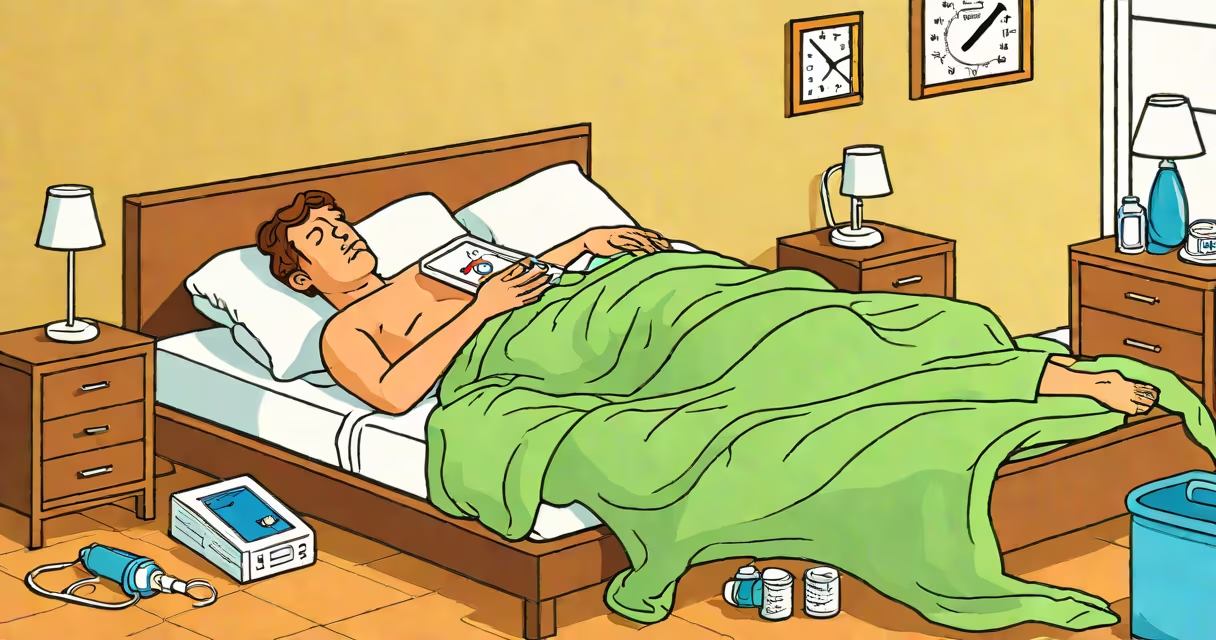
A stomach virus-commonly called viral gastroenteritis-is caused by viruses such as norovirus or rotavirus that inflame the lining of the stomach and intestines, leading to nausea, vomiting, diarrhea, and abdominal cramping. The illness typically lasts 1 to 3 days and resolves without medical treatment in healthy adults.
Viruses responsible for stomach infections spread through contaminated food, water, or close contact with an infected person. Symptoms usually appear within 12 to 48 hours after exposure and peak within the first 24 hours. The most effective actions focus on managing symptoms, preventing dehydration, and supporting gut recovery.
Recovery hinges on fluid replacement, gradual reintroduction of food, and avoiding triggers like caffeine, alcohol, and fatty meals. Most cases resolve on their own, but complications like severe dehydration require medical attention. Knowing what to do-and what not to do-can shorten discomfort and reduce transmission risk.
When norovirus or rotavirus enters the digestive tract, they attach to cells in the small intestine and disrupt normal absorption. This causes rapid fluid loss into the bowel, resulting in watery diarrhea. The irritation also triggers involuntary contractions of intestinal muscles, leading to cramping and vomiting.
The immune system responds by releasing inflammatory signals that increase blood flow to the gut and attract white blood cells. This process contributes to fever, fatigue, and muscle aches. These systemic effects explain why people feel weak even after symptoms subside.
Transmission occurs via fecal-oral route-touching contaminated surfaces, sharing utensils, or being near someone who vomits. Norovirus is especially resilient, surviving on surfaces for up to two weeks and resisting standard cleaning agents. A single gram of feces from an infected person can contain enough virus particles to infect thousands.
Hydration is the top priority. Oral rehydration solutions (ORS) containing sodium, potassium, and glucose restore electrolyte balance more effectively than water alone. The World Health Organization recommends ORS for treating acute diarrhea in children and adults alike, citing a 30% reduction in hospitalization rates when used early.
Start with small sips-1-2 teaspoons every 5 minutes-for the first hour. Gradually increase volume as tolerance improves. Avoid sugary drinks, sports beverages, and carbonated sodas, which can worsen diarrhea due to high osmolarity.
Once vomiting stops for 4-6 hours, begin eating bland foods. The BRAT diet-bananas, rice, applesauce, toast-provides low-fiber, low-fat options that are easy to digest. Eat slowly, chew thoroughly, and stop if nausea returns. Avoid dairy, spicy foods, and fried items until symptoms fully resolve.
Many people believe antibiotics treat stomach viruses. This is incorrect. Antibiotics target bacteria, not viruses. Using them unnecessarily increases the risk of antibiotic resistance and may prolong recovery by disrupting beneficial gut bacteria.
Another error is withholding food during vomiting. Fasting beyond 12 hours can slow gut motility and delay healing. The American Gastroenterological Association advises resuming nutrition within 24 hours of symptom onset, even if appetite is low.
Some assume that probiotics are universally effective. While certain strains like Lactobacillus rhamnosus GG have shown benefit in reducing duration by 1 day in clinical trials, others offer no measurable effect. Not all probiotics are equal-choose products backed by peer-reviewed research.
| Myth | Reality |
|---|---|
| Antibiotics cure stomach viruses | They are ineffective and harmful if misused |
| Fasting speeds recovery | Early refeeding supports gut repair |
| All probiotics work the same | Strain-specific benefits exist; not all are proven |
Seek care if signs of dehydration appear: dry mouth, sunken eyes, dizziness upon standing, or reduced urine output. Adults should seek help if vomiting persists for more than 24 hours or diarrhea lasts longer than 3 days.
Children under 5, older adults, and people with weakened immunity are at higher risk for complications. The CDC reports that norovirus causes approximately 21 million illnesses annually in the U.S., with 550,000 emergency department visits and 500 deaths each year-most among infants and seniors.
If you suspect a secondary infection (fever above 101.3°F lasting more than 48 hours, blood in stool, or severe abdominal pain), see a provider. These may indicate bacterial contamination or other conditions requiring testing and treatment.
Most healthy individuals recover fully within 48 to 72 hours. During this time, avoid preparing food for others and wash hands frequently with soap and water for at least 20 seconds. Alcohol-based sanitizers are less effective against norovirus.
Disinfect surfaces with a bleach solution (1:50 dilution of household bleach to water) to kill lingering virus particles. Launder contaminated clothing and bedding separately using hot water and detergent.
I experienced this firsthand during a norovirus outbreak at a family gathering. After one guest vomited in the kitchen, we cleaned with bleach, quarantined affected areas, and avoided shared utensils. No further cases occurred after 48 hours, confirming that prompt disinfection reduces transmission risk.
Over-the-counter medications like loperamide (Imodium) can reduce diarrhea frequency but carry risks. They're not recommended for people with fever or bloody stools, as they may trap toxins in the gut. The FDA warns against using loperamide in children under 2 years old.
Herbal remedies such as ginger tea or peppermint oil have mild anti-inflammatory and antispasmodic effects. A 2020 randomized controlled trial found that ginger extract reduced nausea severity by 40% compared to placebo in adults with acute gastroenteritis. However, results were inconsistent across studies, and quality varies widely.
Practice hand hygiene before eating, after using the bathroom, and after handling garbage. Avoid close contact with others during the contagious period-typically 48 hours after symptoms end.
When returning to work or school, wait at least 48 hours after last episode of vomiting or diarrhea. The CDC states that individuals remain infectious for up to 2 weeks after recovery, though shedding levels drop after the first few days.
Understanding what can you do about a stomach virus empowers you to act quickly and safely. Focus on hydration, gradual eating, and hygiene. Avoid unnecessary medications and recognize warning signs early. Most cases resolve without intervention, but informed choices improve comfort and reduce community spread.