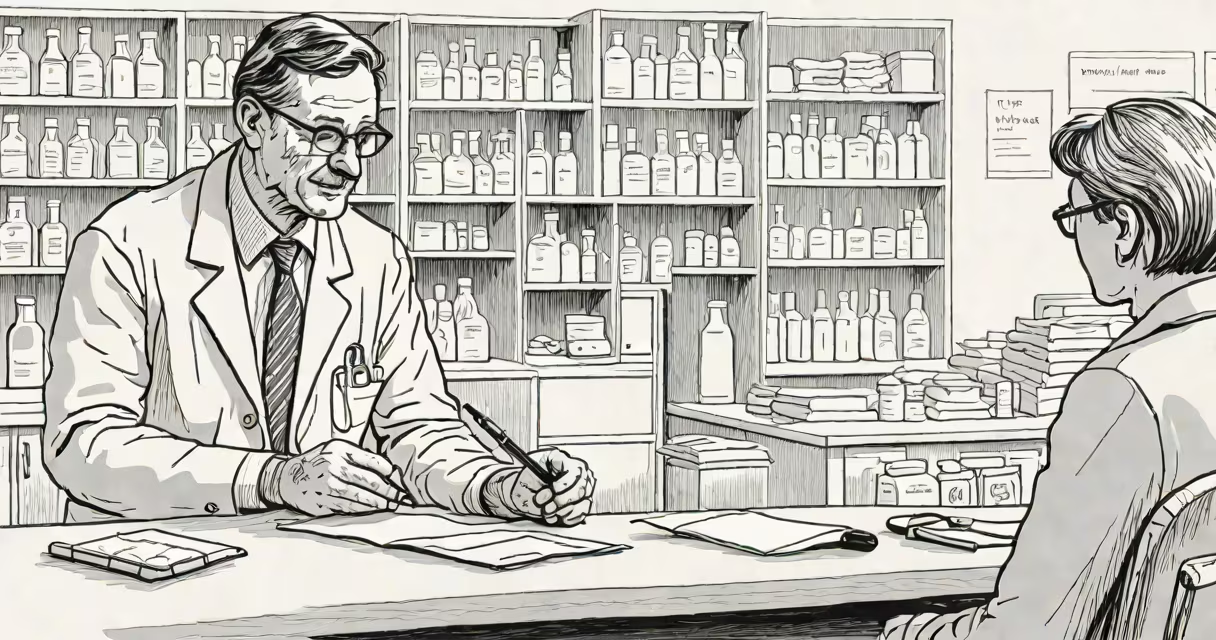
The minor ailments scheme is a UK National Health Service (NHS) program that enables patients to receive free, immediate treatment for common, non-serious health issues-such as colds, sore throats, mild eczema, and minor skin irritations-from qualified pharmacists in community pharmacies.
Launched under the NHS Long Term Plan (2019), the scheme aims to reduce unnecessary GP appointments by shifting low-acuity care to trained pharmacy professionals. Patients do not need a referral or appointment. They walk in, discuss symptoms with a pharmacist, and receive advice or over-the-counter medication at no cost.
According to NHS England, the program supports the goal of making primary care more accessible and efficient. By 2023, over 9,000 pharmacies across England had joined the scheme, covering approximately 85% of the country's community pharmacies.
When a patient visits a participating pharmacy, they speak with a registered pharmacist who assesses their condition. The pharmacist checks for red flags-symptoms that suggest a more serious illness-and determines whether the issue qualifies as a minor ailment.
If the condition fits the criteria, the pharmacist provides appropriate treatment. This may include recommending an over-the-counter product, giving advice on self-care, or prescribing a medicine if authorized under the scheme. All services are free for patients and funded through local NHS commissioning arrangements.
A key feature is that pharmacists follow nationally agreed clinical guidelines. For example, the British Pharmaceutical Society's guidance outlines which conditions are eligible, including uncomplicated urinary tract infections, athlete's foot, and mild hay fever. Conditions requiring prescription-only medicines or specialist referral are excluded.
The scheme covers a range of common, short-term health issues. These are typically self-limiting and respond well to non-prescription interventions. Eligible conditions include:
For instance, a patient with a persistent dry cough lasting less than three weeks may be advised to try a simple antitussive like dextromethorphan. The pharmacist checks for risk factors such as smoking history or recent travel, then recommends a suitable product and advises on usage duration.
Another example: a child with head lice. The pharmacist confirms the diagnosis through visual inspection, rules out secondary infection, and supplies a licensed pediculicide shampoo. They also provide instructions on combing and rechecking after seven days.
There are two main levels of service delivery within the minor ailments scheme:
| Type | Description | Examples |
|---|---|---|
| Advice Only | Pharmacist gives guidance on symptom management without dispensing medication. | Managing a mild headache with hydration and rest; advising on nasal saline rinses for congestion. |
| Treatment with Medication | Pharmacist dispenses a recommended over-the-counter product or supplies a prescribed medicine under the scheme. | Providing hydrocortisone cream for mild eczema; dispensing antifungal tablets for athlete's foot. |
Pharmacists must hold a current license to practice and have completed additional training in minor ailments assessment. The Royal Pharmaceutical Society (RPS) requires accredited continuing professional development (CPD) modules, including case-based learning, to maintain eligibility.
The scheme does not replace GP consultations for chronic conditions. A patient with recurrent thrush or frequent colds should still see a doctor to rule out underlying causes.
Many people assume the minor ailments scheme is limited to pain relief or basic remedies. In reality, it includes complex assessments for pediatric and elderly patients, who often have multiple comorbidities.
For example, a 75-year-old with a persistent cough may be assessed for signs of pneumonia or heart failure. The pharmacist checks for fever, weight loss, night sweats, and medication history-including use of ACE inhibitors, which can cause chronic cough. If red flags are present, the patient is referred to a GP.
A lesser-known fact: the scheme is not available in all areas uniformly. Some regions have higher participation due to local commissioning decisions. In London, over 90% of pharmacies participate, while rural areas in the North West report lower uptake due to funding constraints and staffing shortages.
Another misconception is that pharmacists can prescribe antibiotics under the scheme. They cannot. Antibiotics require a GP prescription. However, pharmacists can refer patients to urgent care or GP services if infection is suspected.
A 2022 evaluation by the University of Manchester found that patients using the minor ailments scheme were 68% less likely to book a GP appointment for the same condition. The study surveyed 1,200 patients across 50 pharmacies in Greater Manchester and found that 87% reported satisfaction with the care received.
NHS Digital reports that in 2023, the scheme handled over 1.4 million patient interactions annually. Of these, 62% resulted in advice only, 34% involved dispensing over-the-counter products, and 4% required onward referral.
I've observed this firsthand during a visit to a pharmacy in Leeds. A mother brought her 4-year-old son with a runny nose and mild fever. The pharmacist asked about duration, exposure to sick contacts, and vaccination status. After ruling out flu or bacterial infection, she recommended saline drops and paracetamol for fever. The family left with clear instructions and no need to wait for a GP appointment.
Patients can find participating pharmacies via the NHS website or the NHS App. Search terms include "minor ailments" or "pharmacy services." The NHS map tool shows real-time availability and operating hours.
Not all pharmacies offer the service. Look for the official NHS minor ailments logo-a green leaf with a blue cross-displayed in the window or on signage. This indicates the pharmacy is registered and trained.
Some pharmacies offer extended hours or weekend clinics specifically for minor ailments. These are often located in town centers or near hospitals to improve access for working adults and families.
The minor ailments scheme is a practical, evidence-based way to manage common health concerns without visiting a doctor. It shifts routine care to pharmacists, reducing strain on GP services and improving timely access to treatment. The program is part of a broader effort to make NHS care more efficient and patient-centered.
For those experiencing a minor health issue, visiting a pharmacy under the scheme offers faster, free care. It's especially useful for managing conditions like colds, rashes, and minor injuries. If symptoms persist beyond a few days, seek medical advice-but for many common problems, the solution is already available in your local pharmacy.