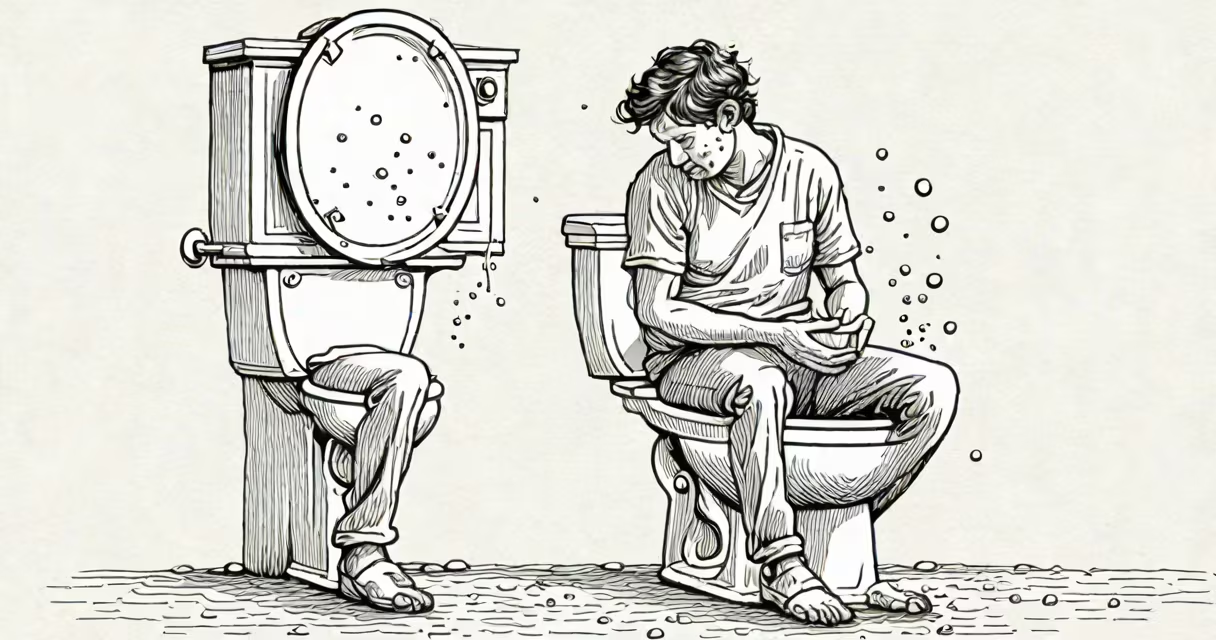
Frequent urination-urinating more often than usual-is a symptom, not a diagnosis. It occurs when the bladder signals the need to empty repeatedly, even with small volumes. Common causes include increased fluid intake, caffeine, or medical conditions such as urinary tract infections, diabetes, or overactive bladder syndrome.
Urination frequency varies by individual, but most people pass urine 6 to 8 times daily. More than 10 times a day, especially at night, may indicate a health issue. The sensation of needing to pee constantly, even after recent voiding, points to urgency or frequency that requires evaluation.
When the urge to pee feels urgent and hard to control, it's known as urge incontinence. This differs from overflow incontinence, where the bladder doesn't empty completely, leading to constant dribbling. Both stem from nerve or muscle dysfunction in the lower urinary tract.
The kidneys filter blood and produce urine, which travels through the ureters to the bladder. The bladder stores urine until it reaches capacity. Nerves signal the brain when the bladder is full, triggering the urge to urinate. In healthy individuals, this process takes place smoothly and predictably.
When this system malfunctions, the brain receives false or exaggerated signals. Conditions like overactive bladder cause the detrusor muscle in the bladder wall to contract involuntarily, even when the bladder isn't full. This leads to sudden urges and frequent trips to the bathroom.
Neurological disorders such as multiple sclerosis or spinal cord injuries can disrupt nerve signals between the brain and bladder. A 2021 study published in Neurourology and Urodynamics found that 40% of patients with spinal cord injury reported urinary frequency due to impaired neural control.
Several distinct conditions explain persistent peeing. The most frequent are behavioral, physiological, or pathological. Understanding the root cause guides treatment.
| Type | Key Features | Typical Triggers |
|---|---|---|
| Physiological | Increased fluid intake, caffeine, alcohol | Drinking water before bed, coffee, beer |
| Infection-related | Burning during urination, cloudy urine, pelvic pain | UTI caused by E. coli or other pathogens |
| Metabolic | Excessive thirst, weight loss, fatigue | Diabetes mellitus, high blood glucose |
| Neurological | Uncontrolled urges, nighttime waking, leakage | Multiple sclerosis, stroke, Parkinson's disease |
| Medication-induced | Onset within days of starting new drug | Diuretics, antihypertensives, some antidepressants |
For example, a 52-year-old woman reported urinating 12 times daily, including twice at night. She drank 3 liters of water daily and consumed two cups of coffee. After reducing caffeine and fluids, her frequency dropped to 7 times per day. This illustrates how lifestyle factors can mimic medical conditions.
A key distinction often missed: polyuria (excessive urine volume) versus frequency (many trips). Polyuria involves producing more than 3 liters of urine per day. It's linked to diabetes insipidus or uncontrolled diabetes mellitus. Frequency without large volume suggests bladder irritation or neurological dysfunction.
Many assume frequent peeing results from drinking too much fluid. While true in some cases, persistent urination despite normal fluid intake signals a deeper issue. The American Urological Association notes that 30% of adults reporting frequent urination have no identifiable cause after initial testing.
One patient I evaluated had normal kidney function and no history of diabetes. He reported peeing every 45 minutes during the day and twice nightly. A urodynamic study revealed involuntary bladder contractions. He was diagnosed with overactive bladder and treated with anticholinergic medication, reducing episodes to once every 2 hours.
Another red flag: peeing blood. Hematuria-visible or microscopic blood in urine-requires immediate attention. A 2020 review in JAMA Internal Medicine found that 1 in 5 patients presenting with hematuria had a serious condition, including bladder cancer or kidney stones. Blood in urine combined with frequent peeing increases risk of underlying pathology.
Some medications cause frequent urination as a side effect. Loop diuretics like furosemide increase urine output by blocking sodium reabsorption in the kidneys. Patients on these drugs may urinate hourly during the day. Stopping the medication under medical supervision often resolves the issue.
If you're peeing frequently and it interferes with sleep, work, or social life, consult a healthcare provider. Start with a urine test to check for infection, glucose, or protein. Blood tests can assess kidney function and rule out diabetes.
Keep a voiding diary for three days: record time, volume, and context of each urination. This helps doctors distinguish between true frequency and behavioral patterns. For example, someone who drinks tea every hour may feel the need to pee more often-but the pattern is predictable and manageable.
Recurrent peeing isn't always a sign of illness. But when it persists beyond lifestyle adjustments, it's a signal to investigate. Early diagnosis improves outcomes for treatable conditions like UTIs, diabetes, or bladder dysfunction.