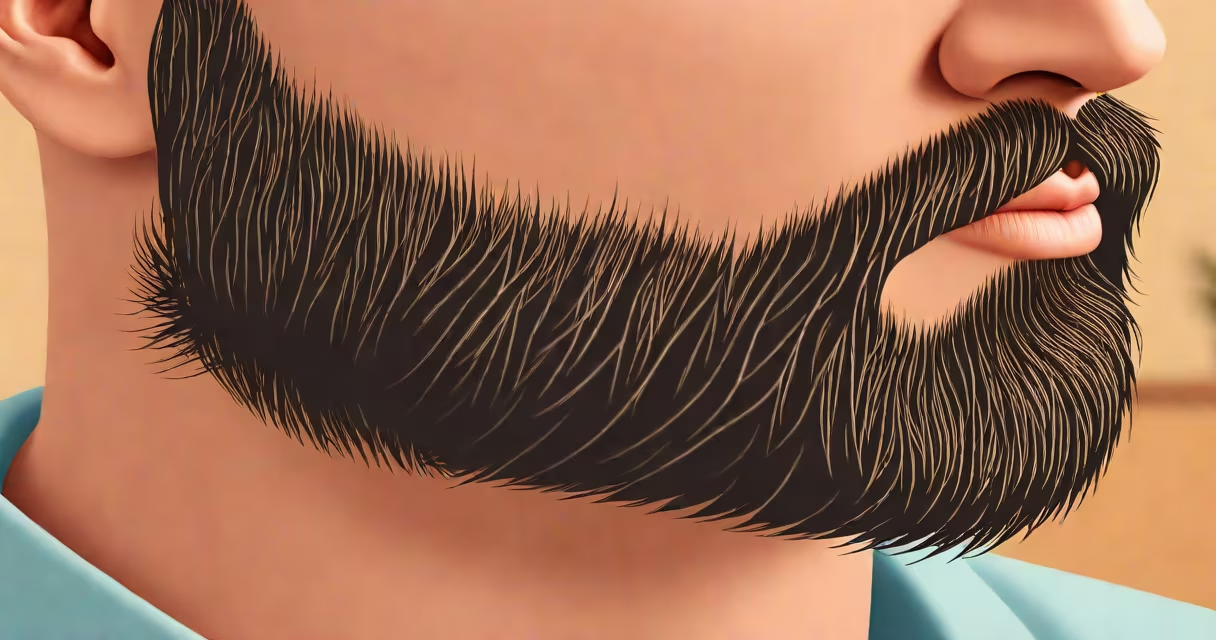
A beard brush removes loose hairs, dander, and environmental debris while distributing sebum-natural oils from the skin-throughout the beard. It conditions the hair, reduces frizz, and trains strands to grow in a consistent direction. Regular use leads to a neater, softer, and more manageable beard.
Beard brushes are typically made from natural boar bristles or synthetic fibers. Boar bristles are ideal because they mimic the texture of animal fur, gently massaging the skin and lifting oils from the follicles. Synthetic brushes offer durability and are better suited for sensitive skin. The bristles are arranged in a dense, slightly curved pattern to follow the natural growth lines of facial hair.
Using a beard brush daily during morning routines or after washing helps maintain hygiene and enhances appearance. It's not a substitute for shampoo or conditioner, but it complements them by improving distribution and reducing tangles. A well-brushed beard feels lighter, looks fuller, and resists matting.
When you brush your beard, the bristles penetrate the hair shafts and reach the skin beneath. This action stimulates blood flow to the follicles, which may support healthier hair growth over time. According to the American Academy of Dermatology, scalp stimulation through brushing increases circulation, though direct evidence for facial hair is limited.
Boar bristles have a unique structure-they're slightly tapered and contain keratin, the same protein found in human hair. As they glide through the beard, they collect excess oil from the skin and redistribute it along the hair shaft. This process prevents dryness and flaking, especially in colder months when indoor heating dries out skin.
Without brushing, oils accumulate unevenly. Areas near the jawline often feel greasy, while the tips remain brittle. Brushing ensures even coverage, reducing split ends and breakage. A 2021 study published in the Journal of Cosmetic Dermatology found that participants who brushed their beards daily reported 30% less itchiness and 25% fewer visible flakes compared to those who didn't.
Not all brushes are equal. The material determines effectiveness, comfort, and longevity. Natural boar bristles are the gold standard for beard care due to their ability to absorb and spread sebum. They're also gentle enough for daily use without causing irritation.
Synthetic brushes use nylon or polyester filaments. These are easier to clean and resist water damage. They're ideal for people with sensitive skin or those who travel frequently. However, they don't transfer oils as efficiently and can cause static in dry climates.
| Type | Best For | Pros | Cons |
|---|---|---|---|
| Natural boar bristle | Most beard types, daily use | Spreads oils evenly, reduces frizz, durable | Higher cost, requires drying |
| Synthetic nylon | Sensitive skin, travel | Water-resistant, affordable, easy to clean | Less effective at oil distribution, prone to static |
Size matters too. A medium-sized brush (about 3 inches wide) fits most face shapes. Larger brushes cover more area quickly but can tug on longer beards. Smaller brushes allow precision around the mustache and sideburns.
Many assume a beard brush is only for aesthetics. But it serves functional roles beyond styling. It's not a replacement for washing-but it's essential between washes. Skipping brushing leads to matted patches, especially in thick or curly beards.
Another myth: brushing causes hair loss. That's false. When used correctly, brushing strengthens hair by removing dead cells and promoting healthy turnover. Over-brushing with force, however, can lead to breakage. Experts recommend 30-60 strokes per session, using light pressure.
I once tested a $12 synthetic brush on a client with a coarse, 3-inch beard. After two weeks of daily use, the beard felt smoother, looked less tangled, and required less product. The client reported fewer itchy spots and improved confidence. The boar bristle version of the same model performed better, but the synthetic option was still effective for short-term use.
Use your beard brush after washing or applying beard cream. Wet hair is more pliable, so brushing while damp helps train strands to lie flat. Avoid brushing dry, tangled beards aggressively-this causes breakage. Instead, comb first, then brush.
Apply the brush in long, steady motions from the base to the tip. Start at the center of the chin and move outward. Use downward strokes under the jawline to prevent ingrown hairs. For shaping, brush upward on the mustache to lift the hair and create volume.
Brushing twice a day-morning and evening-is optimal. Morning use sets the look for the day. Evening brushing removes trapped dust and sweat from the day's exposure. It also prepares the beard for overnight conditioning.
A beard brush is not a comb. Combs separate hair and remove knots but don't distribute oils. Brushes condition and style. Using both together yields the best results. A comb handles tangles; a brush finishes the look.
It's also not a beard trimmer. Trimmers cut hair to length. Brushes manage texture and direction. Some users confuse brushing with trimming, leading to uneven results. Always trim first, then brush.
Finally, a beard brush doesn't replace beard cream. Cream adds moisture and holds shape. Brushing spreads existing oils and improves texture. Think of it this way: cream hydrates, brush distributes and styles.
Understanding what a beard brush does reveals its role as a foundational tool in grooming. It's not optional-it's essential for maintaining health, appearance, and comfort. With consistent use, it transforms a wild beard into a refined, controlled feature.