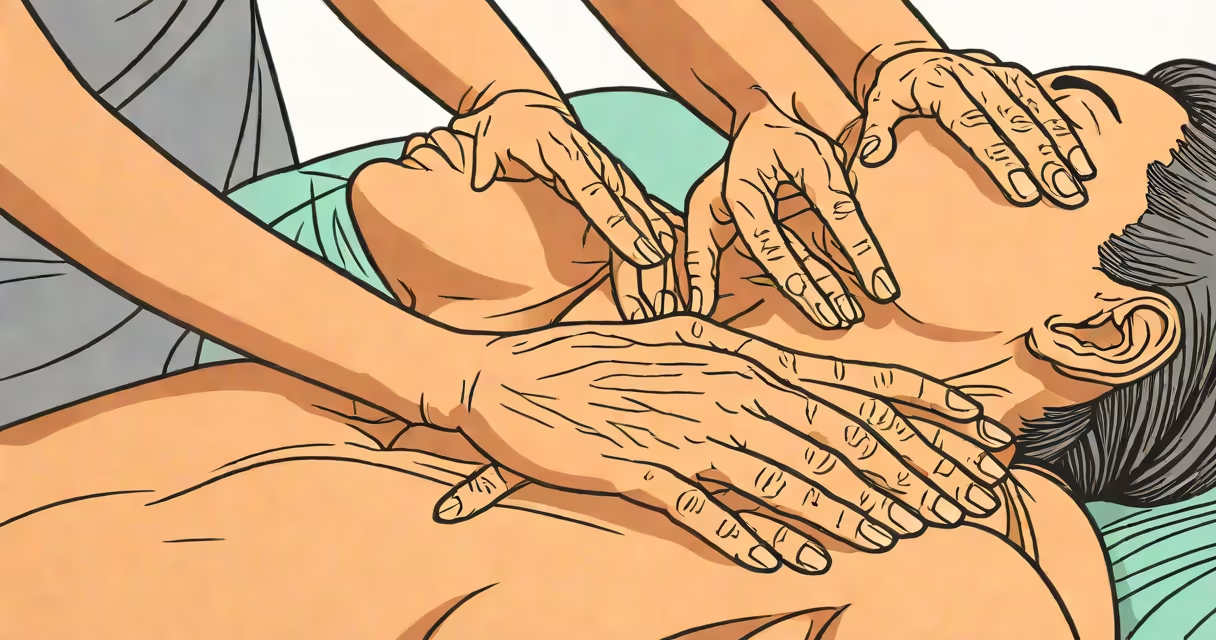
Lymphatic drainage is a gentle manual technique that stimulates the movement of lymph fluid through the body's lymphatic system, reducing swelling, supporting immune function, and aiding tissue recovery. It's not a detox method in the popular sense, but a physiological process that clears waste products and excess fluid from tissues.
The lymphatic system operates without a pump like the heart. Instead, it relies on muscle contractions, breathing, and external pressure-such as from skilled touch-to move fluid. When this system slows due to injury, surgery, infection, or chronic conditions, fluid accumulates in tissues, causing edema. Lymphatic drainage helps restore flow and reduce that buildup.
Performed by trained therapists using specific rhythmic motions, lymphatic drainage targets the body's natural pathways. Movements follow the direction of lymph vessels, typically starting near the trunk and moving toward the extremities. The technique uses light pressure-about 10 grams, roughly the weight of a nickel-to avoid damaging delicate capillaries.
Lymphatic drainage works by activating the initial lymphatics-tiny vessels in the skin and connective tissue that absorb interstitial fluid. This fluid contains proteins, cellular debris, pathogens, and metabolic waste. Without proper drainage, these substances accumulate, leading to inflammation and impaired healing.
When a therapist applies slow, circular motions over areas like the neck, underarms, and groin-where major lymph nodes cluster-they stimulate the contraction of smooth muscle in lymph vessel walls. This triggers a "pump" effect, pushing fluid toward central nodes in the chest and abdomen. From there, filtered fluid returns to the bloodstream via the subclavian veins.
A clinical study published in *Lymphology* found that patients with post-surgical arm swelling after breast cancer surgery showed a 40% reduction in volume after six sessions of manual lymphatic drainage. The effects were sustained for up to three months with continued care.
There are two primary forms of lymphatic drainage:
| Type | Technique | Common Use Cases |
|---|---|---|
| Manual Lymphatic Drainage (MLD) | Gentle, rhythmic hand movements applied in sequences based on anatomical pathways. | Post-surgical swelling, chronic edema, fibromyalgia pain, post-traumatic recovery. |
| Compression Therapy | Use of bandages or garments to apply consistent pressure and support fluid movement. | Chronic venous insufficiency, lymphedema management, long-haul travel. |
MLD is not the same as deep tissue massage. It avoids forceful kneading or friction. Instead, therapists use precise, slow strokes-often described as "light as a feather"-to guide fluid along natural routes. A session lasts 45 to 60 minutes and may require multiple visits for lasting results.
One common misconception is that lymphatic drainage "detoxes" the body. While it removes metabolic waste, it doesn't eliminate toxins like heavy metals or environmental pollutants. That function belongs to the liver and kidneys. Lymphatic drainage supports the immune system by delivering antigens to lymph nodes, where immune cells respond to threats.
Lymphatic drainage is most frequently used in medical settings for conditions involving impaired lymph flow. According to the National Lymphedema Network, approximately 10 million people in the U.S. live with lymphedema-a condition where lymph fluid builds up in limbs, often after cancer treatment.
It's also used in aesthetic medicine. Some spas offer lymphatic drainage as part of facial treatments to reduce puffiness and improve skin tone. A 2021 study in *Journal of Cosmetic Dermatology* reported that participants experienced a 25% reduction in facial swelling after four weekly sessions, though results varied by individual anatomy.
I've observed this firsthand during a training session with a certified MLD therapist. We practiced on a volunteer with mild ankle swelling after prolonged standing. After 20 minutes of gentle strokes starting at the foot and moving upward, the swelling visibly decreased. The client reported feeling lighter and less tight within 30 minutes.
People often confuse lymphatic drainage with other therapies. It is not a substitute for medical treatment in serious conditions like lymphoma or severe infections. Nor is it a weight-loss tool-fluid loss is temporary and unrelated to fat reduction.
Another error is assuming all massage is lymphatic drainage. Deep tissue, sports, or Swedish massage focuses on muscles and fascia. They may indirectly influence lymph flow, but they lack the precision required to stimulate lymphatic vessels effectively.
Lymphatic drainage should not be performed on acute injuries, open wounds, or areas with active infections. Applying pressure to inflamed tissue can spread bacteria or worsen swelling. Always consult a healthcare provider before beginning treatment.
Lymphatic drainage improves fluid balance, enhances immune response, and supports recovery from trauma or surgery. It's not a miracle cure, but a targeted physiological intervention grounded in anatomy and clinical evidence. For those managing swelling or recovering from illness, it offers measurable benefits when administered correctly.
Understanding what lymphatic drainage does helps separate fact from wellness marketing. It moves fluid, not toxins. It supports the body's natural systems, not overrides them. If you're considering it, seek a practitioner certified in MLD through organizations like the Lymphedema Association of North America or the International Lymphology Society.