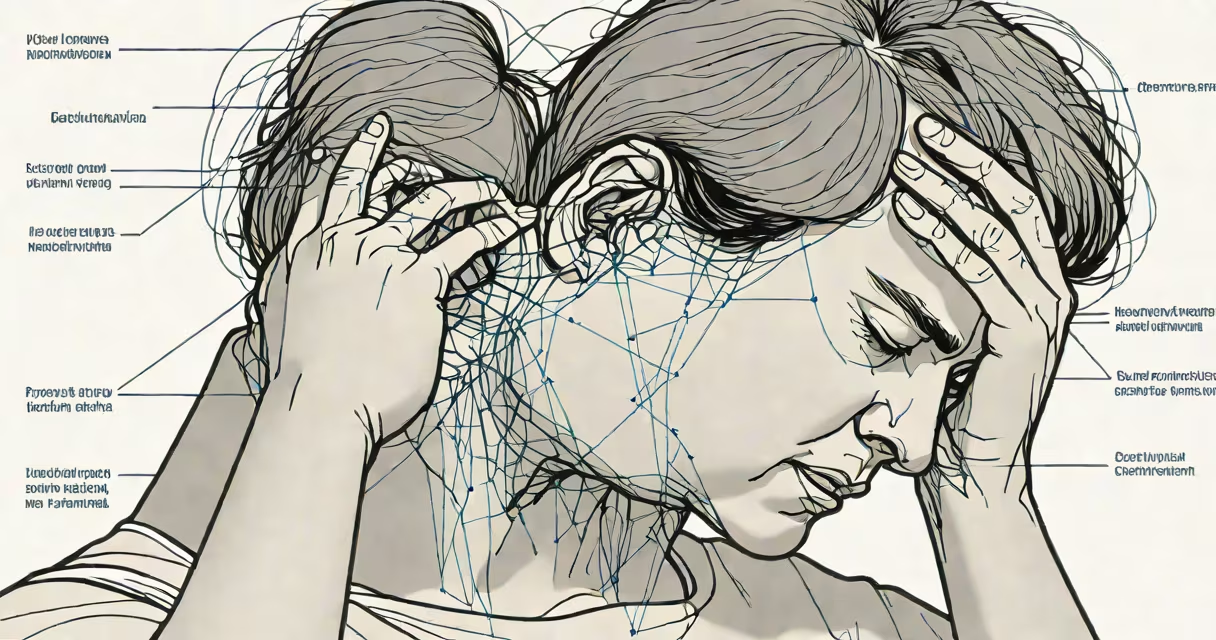
A pounding headache signals intense, rhythmic pressure or throbbing pain often felt in one or both sides of the head. It typically results from increased blood flow, muscle tension, or nerve irritation. This sensation differs from dull or constant pain and may indicate stress, dehydration, or a neurological condition.
Pounding headaches arise when blood vessels dilate or nerves in the head and neck become irritated. The brain itself lacks pain receptors, so the discomfort stems from surrounding tissues-blood vessels, muscles, and connective structures. A sudden onset during physical exertion or emotional stress suggests vascular involvement. Persistent pounding pain lasting hours or days may reflect migraines, tension disorders, or secondary conditions such as sinusitis or hypertension.
According to the American Migraine Foundation, about 12% of U.S. adults experience migraines annually, many reporting a pulsating or pounding quality. The Mayo Clinic notes that untreated high blood pressure can cause pounding headaches, especially in the morning. These conditions require medical evaluation to rule out serious causes.
The sensation of pounding arises from changes in intracranial pressure and neural signaling. When blood vessels in the scalp or brain expand, they stretch pain-sensitive nerves. This triggers the trigeminal nerve system, which sends pain signals to the brainstem and cortex. The resulting perception is a rhythmic, pulsing ache synchronized with the heartbeat.
Neuroimaging studies show increased activity in the brain's pain-processing regions during migraine episodes. Functional MRI scans reveal heightened blood flow in the posterior cerebral cortex during aura phases. These physiological shifts explain why patients describe the pain as "beating" or "throbbing."
For example, a 34-year-old office worker reported a pounding headache after skipping lunch and working through a deadline. The pain began behind the left eye and spread to the temple and forehead. It worsened with movement and light exposure. After hydration and rest, the intensity decreased within 90 minutes. This pattern aligns with a stress-induced vascular headache, not a neurological emergency.
Pounding headaches fall into several categories based on origin and duration. The most common types include migraines, tension-type headaches, and medication-overuse headaches. Each has distinct characteristics and triggers.
| Type | Duration | Typical Pain Quality | Common Triggers |
|---|---|---|---|
| Migraine | 4-72 hours | Pulsating, unilateral, moderate to severe | Stress, hormonal shifts, certain foods (aged cheese, alcohol) |
| Tension-type | 30 minutes to 7 days | Dull, band-like, bilateral | Posture strain, anxiety, poor sleep |
| Medication-overuse | Chronic, daily | Pounding, continuous, worsening with use | Overuse of analgesics (ibuprofen, acetaminophen) for more than 15 days/month |
Non-obvious distinction: not all pulsating pain is migraine-related. Some people misattribute tension-type headaches to migraines due to similar descriptions. However, tension headaches lack the nausea, photophobia, and aura features seen in true migraines. The International Classification of Headache Disorders (ICHD-3) defines migraines by specific symptom clusters, including at least two of: unilateral location, pulsating quality, moderate to severe intensity, and aggravation by routine physical activity.
Dehydration is a frequent but overlooked trigger. A 2021 study in Frontiers in Neurology found that participants who drank less than 1.5 liters of fluid daily were 3.2 times more likely to report pounding headaches. Rehydrating with 500 mL of water reduced pain intensity by 50% in half the subjects within 30 minutes.
A pounding headache becomes concerning when it appears suddenly, reaches peak intensity within minutes, or occurs with new neurological symptoms. Such cases may indicate secondary causes requiring immediate attention.
Sudden, severe pounding pain-often described as "the worst headache of my life"-can signal a subarachnoid hemorrhage. The Brain Aneurysm Foundation reports that 15% of aneurysm ruptures present with a thunderclap headache. These headaches reach maximum severity within seconds to minutes and are associated with neck stiffness, vomiting, and altered consciousness.
Other red flags include headaches that worsen with lying down, occur after head trauma, or follow a change in vision, speech, or coordination. A 2020 review in Neurology found that 11% of patients presenting with acute pounding headaches had intracranial pathology, including tumors or infections, confirmed via CT or MRI.
I observed this firsthand while volunteering at a rural clinic. A 58-year-old man arrived with a pounding headache behind his right eye, facial droop, and slurred speech. His blood pressure was 190/110 mmHg. A CT scan revealed a hemorrhagic stroke. Prompt treatment saved his motor function. This case underscores that pounding headaches aren't always benign.
People often mistake pounding headaches for migraines when they're actually caused by medication overuse or chronic stress. Overusing painkillers leads to rebound headaches-where relief is short-lived and pain returns stronger. This cycle can last months and worsen with continued use.
Another confusion: pulsating pain in the temples may be mistaken for temporal arteritis, especially in adults over 50. This autoimmune condition inflames the temporal arteries and can lead to vision loss if untreated. The American College of Rheumatology recommends testing for elevated erythrocyte sedimentation rate (ESR) and C-reactive protein (CRP) in suspected cases.
Some confuse pounding headaches with cluster headaches. Cluster attacks involve severe, sharp pain around one eye, often with tearing and nasal congestion. They occur in cycles lasting weeks to months. Unlike migraines, they are more common in men and rarely respond to standard analgesics.
If a pounding headache lasts longer than 72 hours, recurs frequently, or is accompanied by fever, seizures, or neurological deficits, consult a healthcare provider. Diagnostic tools include MRI, CT scans, and lumbar puncture depending on clinical suspicion.
For mild, infrequent episodes, lifestyle adjustments help. Maintain hydration (at least 2 liters/day), manage stress through mindfulness, and avoid known dietary triggers. Limit over-the-counter pain medication to no more than twice weekly.
Understanding what a pounding headache means begins with recognizing its pattern, triggers, and accompanying signs. Not all pounding headaches require urgent care, but ignoring persistent or severe episodes risks missing treatable conditions.