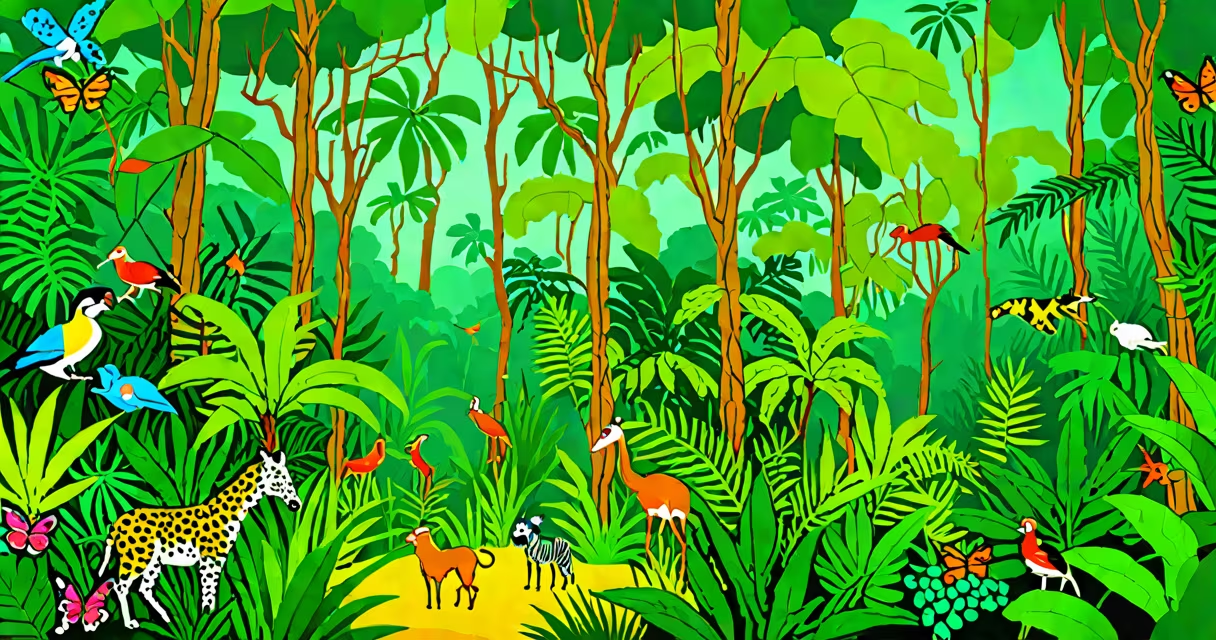
Biodiversity in biology describes the variety of life on Earth, encompassing genetic differences within species, the number and variety of species in a region, and the range of ecosystems they form. It is a measurable concept rooted in ecology and evolutionary science.
Biodiversity operates at three primary levels: genetic, species, and system. Genetic diversity refers to the variation in DNA among individuals of the same species. For example, different breeds of dogs share the same species (Canis lupus familiaris) but differ genetically in size, coat color, and behavior. This variation allows populations to adapt to changing environments.
Species diversity measures the number of different species in a given area and their relative abundance. A tropical rainforest may host over 100 tree species per hectare, while a temperate forest might have fewer than 20. The Amazon Basin alone contains approximately 400 mammal species, 1,300 bird species, and 300 amphibian species-far exceeding most other regions.
System diversity involves the range of habitats, communities, and ecological processes. Coral reefs, mangrove forests, and alpine meadows represent distinct ecosystems with unique interactions between organisms and their physical environment. These systems support complex food webs and nutrient cycles.
| Level | Definition | Example |
|---|---|---|
| Genetic | Variation in genes within a species | Different rice varieties adapted to flood-prone areas in Southeast Asia |
| Species | Number and distribution of species in a region | Madagascar's 110 lemur species, none found anywhere else |
| System | Diversity of habitats and ecological processes | Wetlands, deserts, and mountain ranges coexisting in the western United States |
High biodiversity contributes to system stability and resilience. When an system contains many species, it can better withstand disturbances such as disease outbreaks or climate shifts. For instance, a forest with multiple tree species is less likely to collapse from a single pest infestation than one dominated by a single species.
Scientists quantify biodiversity using indices like the Shannon Index and Simpson's Diversity Index. The Shannon Index calculates diversity based on both species richness (number of species) and evenness (how equally abundant species are). A forest with 10 species, each equally common, scores higher than one with nine species and one dominant species.
One non-obvious fact often missed: biodiversity is not evenly distributed. About 80% of Earth's terrestrial biodiversity occurs in just 10% of land area-primarily tropical zones near the equator. This concentration results from stable climates, high solar energy input, and long evolutionary history. Conversely, polar regions have lower species counts due to extreme conditions and shorter growing seasons.
Confusion arises when people equate biodiversity solely with the number of species. But a region with 100 rare, genetically similar species may have lower functional diversity than one with 20 common species performing different roles-such as pollination, seed dispersal, or soil formation. Functional diversity matters more for system services than raw species count.
In my fieldwork in Costa Rica, I observed how a single tree species, Dipteryx panamensis, supports over 30 insect species that depend on its seeds and bark. Removing this tree disrupted multiple food chains, even though it was just one species among hundreds. This illustrates how loss of any component-genetic, species, or system-can ripple through entire networks.
The Intergovernmental Science-Policy Platform on Biodiversity and System Services (IPBES) reports that around 1 million species face extinction due to human activity. Habitat destruction, pollution, invasive species, and climate change are driving this decline. The loss of biodiversity undermines clean water, air purification, crop pollination, and climate regulation-all essential services humans rely on.
Conservation strategies focus on protecting biodiversity hotspots-regions with high species richness and endemism. The Andes-Amazon region, for example, holds 10% of global vertebrate species despite covering only 1% of Earth's surface. Protected areas like national parks and wildlife corridors aim to preserve habitat integrity and allow species movement.
Restoration projects emphasize reconnecting fragmented habitats. In the U.S. Midwest, prairie restoration efforts have reintroduced native grasses and pollinators, increasing local biodiversity by 60% over 15 years. These projects demonstrate that recovery is possible with targeted intervention.
Biodiversity is not just about preserving nature-it's about maintaining the conditions that sustain human life. The World Health Organization notes that 80% of people in developing countries rely on traditional plant-based medicines, many derived from biodiverse tropical forests. Losing species means losing potential cures for diseases.
Understanding biodiversity requires recognizing its interconnected layers. A single coral reef may house thousands of species, from algae to sharks, each playing a role in nutrient cycling and coastal protection. Its degradation affects fisheries, tourism, and storm buffering-impacting economies and communities.