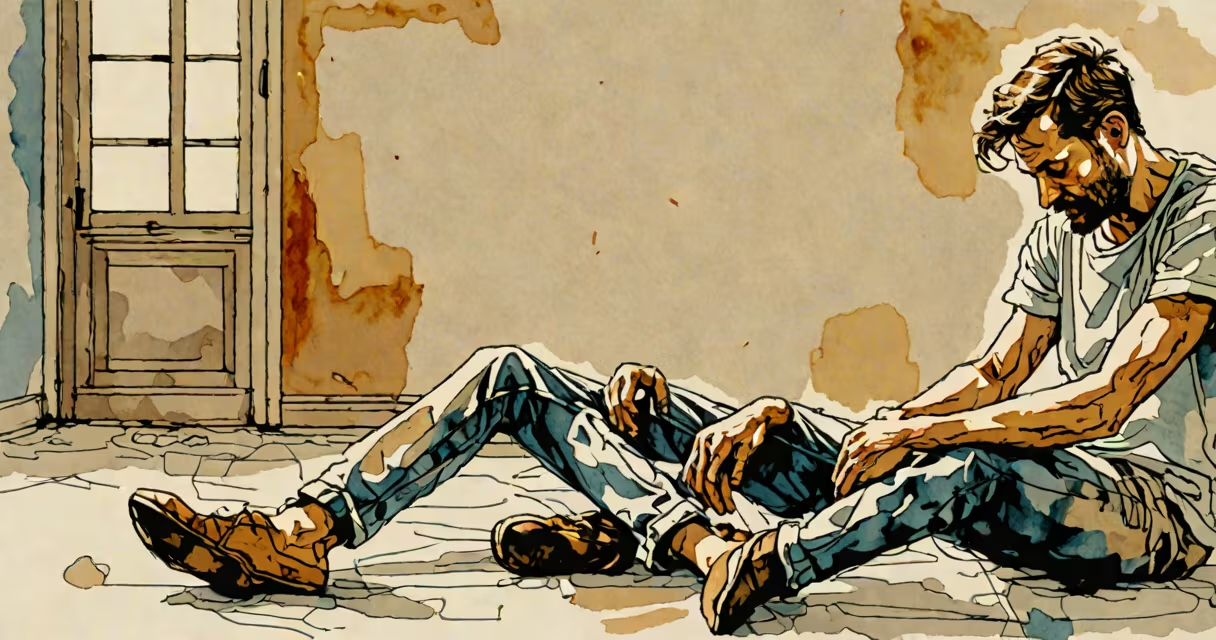
A manic episode is a distinct period of abnormally elevated, expansive, or irritable mood lasting at least one week, accompanied by increased energy, rapid speech, racing thoughts, and impaired judgment. It's a core symptom of bipolar I disorder, though it can occur in other conditions. The term "manic" describes a state of extreme emotional and behavioral activation that disrupts normal functioning.
Mania isn't just feeling unusually happy or energetic. It involves behaviors that are out of character and often dangerous. A person experiencing mania may talk nonstop, make grandiose plans, spend money recklessly, or engage in risky sexual behavior. These actions aren't driven by personal choice-they stem from neurological changes affecting mood regulation.
The Diagnostic and Statistical Manual of Mental Disorders, Fifth Edition (DSM-5), defines a manic episode as lasting at least seven days or requiring hospitalization due to severity. Symptoms must be present nearly every day and cause significant distress or impairment in work, relationships, or daily life. Without treatment, episodes can last weeks to months.
Neurotransmitters like dopamine and norepinephrine surge during a manic episode. This imbalance alters brain circuits involved in emotion, decision-making, and impulse control. Functional MRI studies show hyperactivity in the prefrontal cortex and limbic system-regions linked to mood and reward processing.
People in a manic phase often report feeling "on fire" mentally. Thoughts race so quickly they can't be processed. Speech becomes pressured-words tumble out faster than the speaker can think. This cognitive overload makes it hard to focus, follow conversations, or recognize social cues.
One patient described it as "my mind was a train with no brakes." He spent three days writing a novel he never finished, stayed awake for 72 hours, and tried to quit his job to start a tech company. He later recalled being convinced he'd "changed the world," despite no plan or resources. His behavior required emergency psychiatric evaluation.
Mania exists on a spectrum. Not all manic episodes are the same. The table below outlines key differences:
| Type | Duration | Severity | Associated Condition |
|---|---|---|---|
| Full Mania | ≥1 week | Requires hospitalization | Bipolar I Disorder |
| Hypomania | ≥4 days | Mild to moderate; doesn't impair function severely | Bipolar II Disorder |
| Psychotic Mania | Variable | Includes delusions or hallucinations | Bipolar I with psychotic features |
Psychotic mania includes false beliefs (delusions) or sensory experiences without external stimuli (hallucinations). For example, someone might believe they're a prophet or hear voices commanding them to act. This form requires immediate medical intervention.
Mania can also occur in non-bipolar contexts. Substance-induced mania may result from stimulants like cocaine or amphetamines. Sleep deprivation can trigger manic-like states. However, these are temporary and resolve when the substance is cleared or sleep restored.
Mania is often mistaken for high energy, creativity, or confidence. But while creative people may feel energized, they don't lose touch with reality or make decisions that jeopardize their safety. A manic person may believe they can fly, start a business with no capital, or end a relationship abruptly based on fleeting emotions.
Another frequent error is equating mania with happiness. Mania is frequently irritable, not euphoric. Many people describe it as "angry joy"-a mix of excitement and frustration. They may snap at others, argue over minor issues, or become easily agitated when interrupted.
There's also confusion between mania and ADHD. Both involve restlessness and impulsivity, but ADHD lacks the sustained mood elevation and grandiosity seen in mania. A child with ADHD may fidget and interrupt, but won't claim to have invented a new language or plan to travel to Mars.
If someone exhibits signs of mania-especially if they're unable to sleep, speak rapidly, or act recklessly-professional evaluation is essential. Left untreated, mania increases suicide risk. The National Institute of Mental Health reports that up to 20% of people with bipolar disorder die by suicide.
Treatment typically includes mood stabilizers like lithium or valproate, antipsychotics such as quetiapine, and psychotherapy. Cognitive Behavioral Therapy (CBT) helps patients identify early warning signs and develop coping strategies. Sleep hygiene is critical-poor sleep can trigger episodes.
One clinician noted that during a 12-week study, patients who maintained consistent sleep schedules had 60% fewer relapses than those who didn't. Sleep wasn't just a symptom-it was a protective factor.
For individuals living with bipolar disorder, recognizing early signs of mania is important. Family members often notice changes first-increased irritability, sudden spending sprees, or talking about impossible goals. Early intervention reduces hospitalizations and improves long-term outcomes.
Mania affects more than just the individual. Relationships suffer under the strain of unpredictable behavior. Partners may feel overwhelmed, scared, or blamed. Children of parents with manic episodes often experience instability, leading to anxiety or attachment issues.
Work performance declines sharply. A manager in a tech startup began making impulsive hires, canceling contracts, and posting unprofessional messages on internal channels. After a week of erratic behavior, HR intervened. He was diagnosed with bipolar I disorder and stabilized on medication.
Mania is not a personality trait. It's a clinical condition requiring medical attention. People can live well with treatment-many lead stable careers, maintain relationships, and manage their symptoms effectively.
Understanding what it means if someone is manic prevents stigma and supports timely care. Recognizing the difference between enthusiasm and mania saves lives.